




















Jaipur:
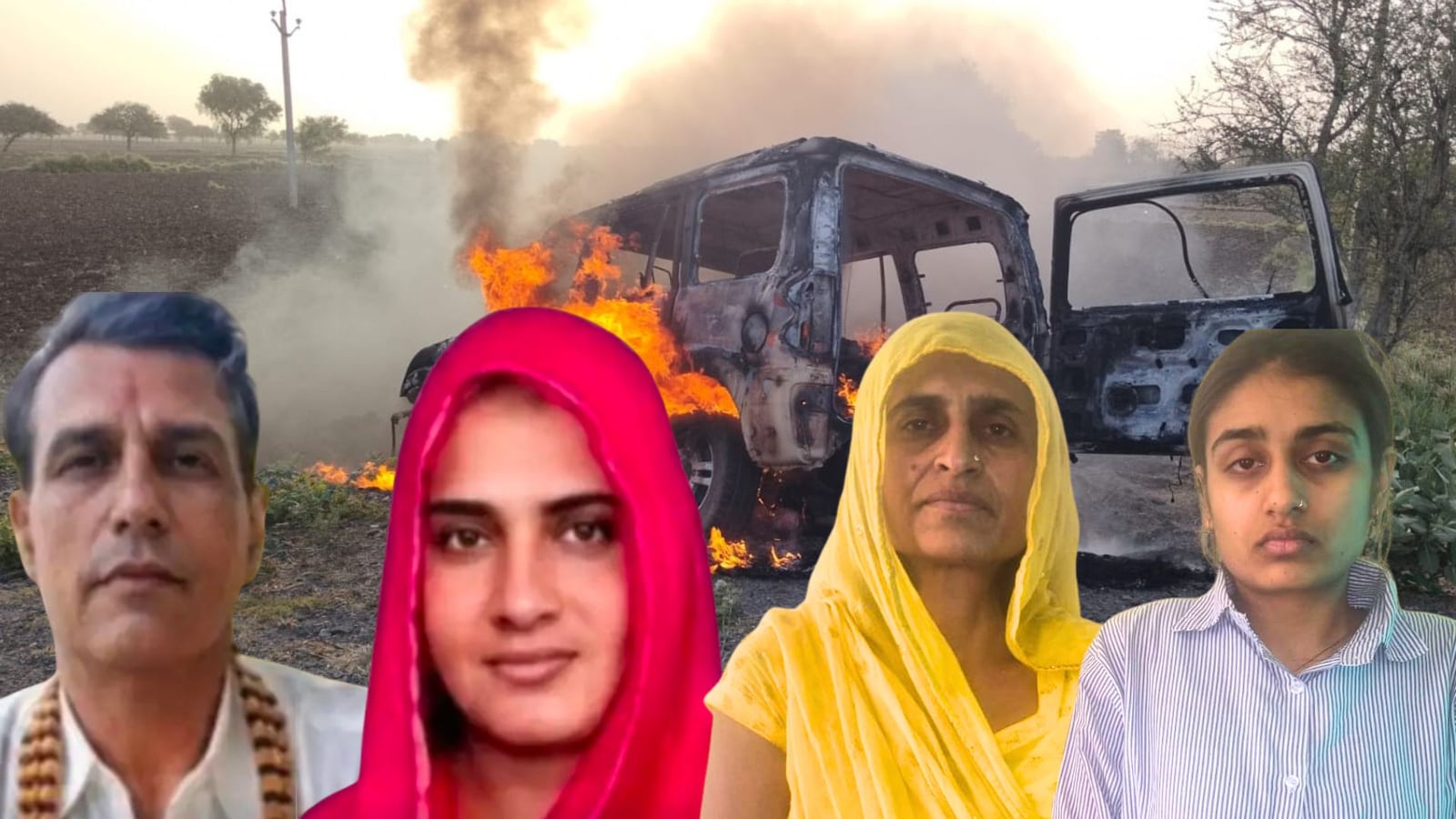
A bitter family feud, allegations of inheritance disputes, months of planning and an alleged obsession with crime shows. These are some of the details police say have emerged in the murder of former Ajmer sarpanch Ram Singh Chaudhary, his second wife, his mother and his niece.
What initially appeared to be an accident involving a burnt car has now turned into one of Rajasthan’s most chilling murder investigations. Police said the first breakthrough came from the behaviour of Ram Singh Chaudhary’s 17-year-old son.
The bodies of Ram Singh, his second wife Surgyan, his mother Pusi Devi and niece Mahima were discovered inside a burnt vehicle. While family members mourned, investigators noticed that the teenager appeared unusually calm.
Even as his mother wept, the boy sat quietly beside her, consoling her and drinking tea. Police found the behaviour unusual and began examining him more closely.
Initially, the family told police that Ram Singh had taken his ailing mother to the hospital when the vehicle caught fire, and all those inside died. But investigators soon found inconsistencies.
Police noticed that there were no occupants in the vehicle’s front seats. They also found that one of the victims, Surgyan, had suffered stab injuries before the fire.
At that point, the investigation shifted from a possible accident to a suspected murder case. According to police, the teenager later confessed during questioning.
Ajmer Superintendent of Police Harsh Vardhan told NDTV that investigators uncovered deep divisions within the family following Ram Singh Chaudhary’s second marriage. Police say the children had developed resentment towards their father after witnessing what they believed was poor treatment of their mother.
Police further added that the boy felt restricted within the household and that tensions had been building for years.
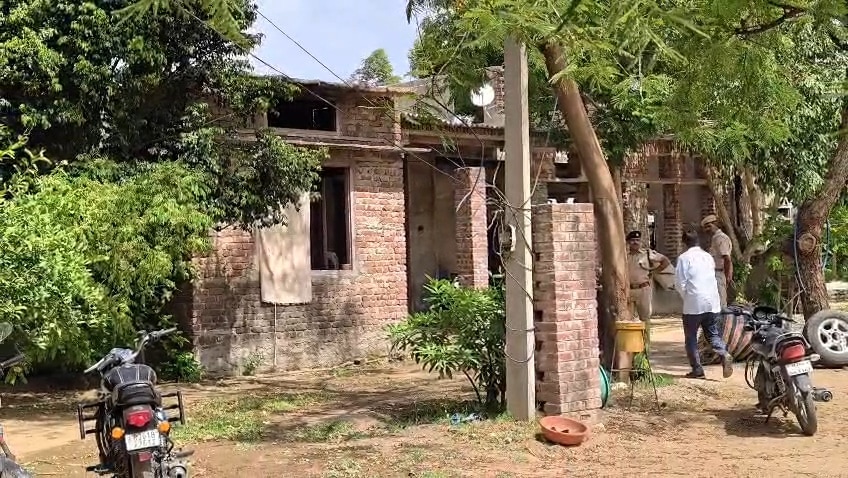
The family’s living arrangement was unusual. Ram Singh Chaudhary lived at an isolated farmhouse in Shrirampura village, around 60 kilometres from Ajmer, along with his two wives, mother and niece. Investigators believe the teenager had been planning the murder for nearly five months.
Police said he regularly watched crime-based web series and programmes and spent long hours playing online games. Investigators allege he studied crime scenes, police procedures and ways criminals attempt to destroy evidence.
According to the investigation, Ram Singh and his second wife Surgyan consumed beer on the night of the incident and later went to sleep. Police believe the teenager remained awake through the night, playing games on his mobile phone until around 4 am.
He then entered Ram Singh’s room while the family was asleep.
According to police, he attacked his father with a knife near the ear. Investigators believe the injury proved fatal.
But police say events then unfolded differently from what the teenager had allegedly planned. Surgyan, who was sleeping nearby, woke up during the attack. She tried to resist and raise an alarm.
Police believe the commotion drew other family members into the room, including Pusi Devi and Mahima. That’s when the accused mother, the first wife of Ram Singh and his sister entered the room and helped him kill Surgyan, Pusi Devi and Mahima.
Police said there were longstanding tensions involving Mahima, who reportedly managed family finances, land transactions and bank accounts. Investigators claim some family members feared that Mahima and Surgyan could together influence Ram Singh Chaudhary in matters relating to property and inheritance.
After the killings, police allege an attempt was made to stage the crime as a road accident. Police believe the bodies were placed inside a vehicle and set on fire in the hope that the blaze would destroy crucial evidence.
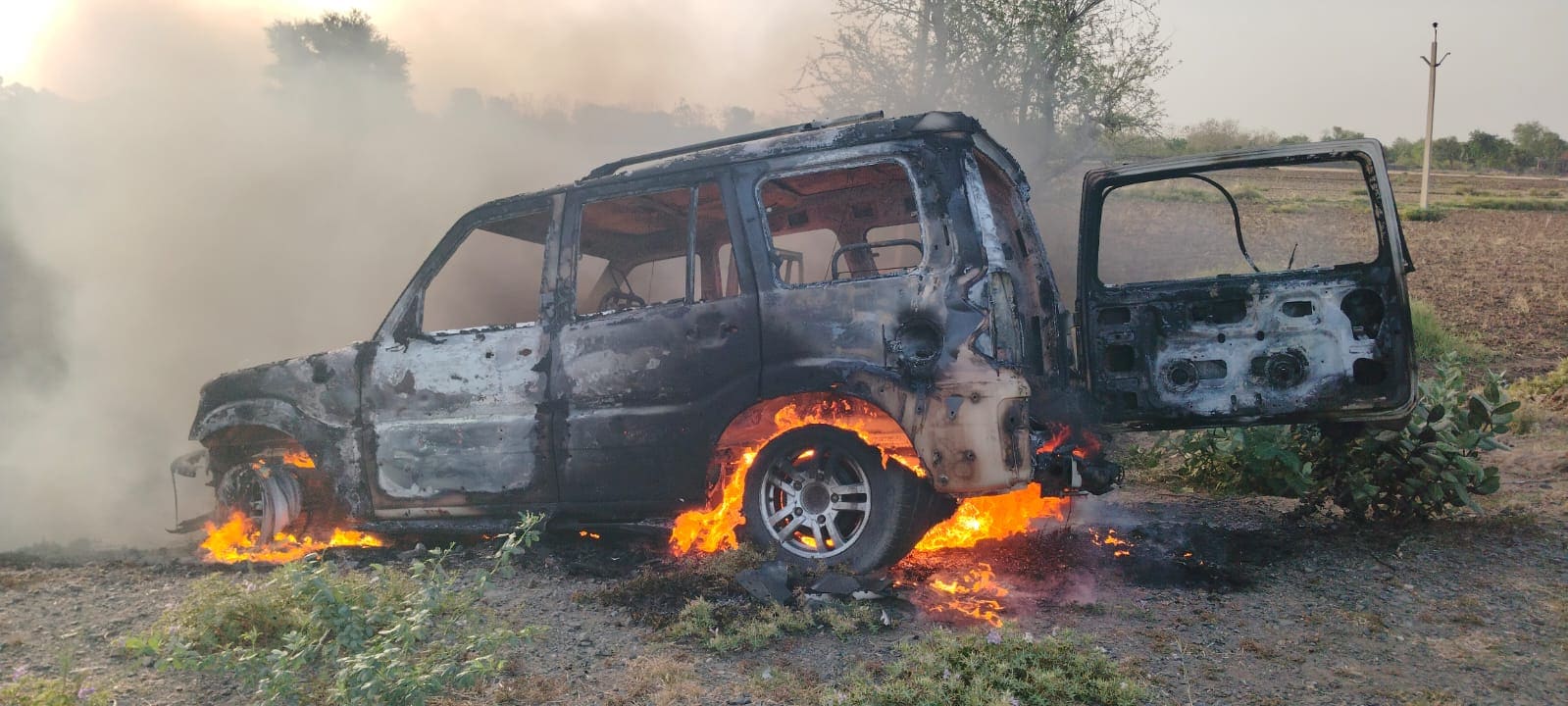
But two details ultimately exposed the alleged plan. The first was the stab injuries found on one of the victims. The second was the unusual seating pattern inside the burnt vehicle, where all the victims were found in the rear section.
And finally, investigators say, the calm demeanour of the teenager in the hours after the deaths prompted the questions that eventually unravelled the case.