




















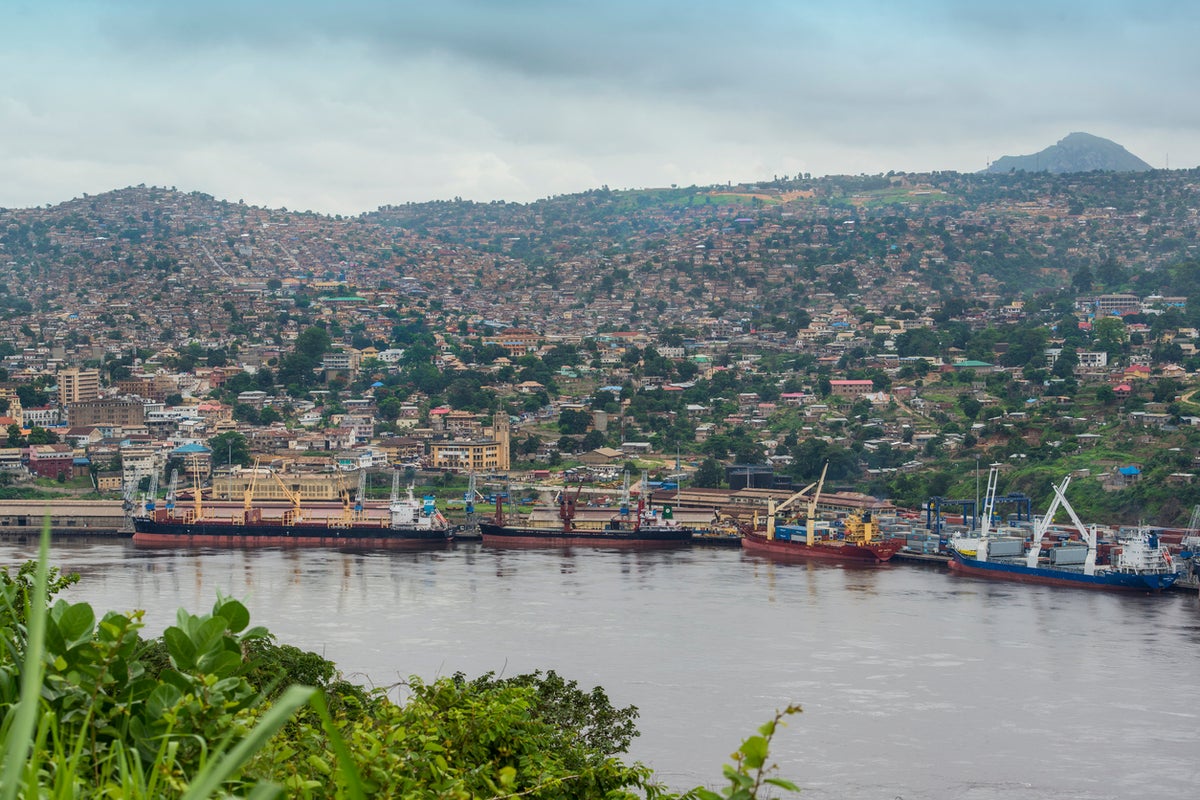
An ongoing Ebola virus outbreak across East and Central Africa has heightened safety concerns among prospective travellers to the region.
The World Health Organisation (WHO) declared the current outbreak of the rare Bundibugyo strain of Ebola a “public health emergency of international concern” on 17 May.
Bundibugyo virus disease (BVD) is one of the four species of orthoebolavirus that cause Ebola, a viral haemorrhagic fever.
As of 31 May, the Democratic Republic of Congo (DRC) has reported 321 confirmed Ebola cases, including 48 related deaths, said the WHO.
A further nine cases and one confirmed death have been reported in Uganda.
With neighbouring countries such as Kenya, Tanzania and Rwanda on high alert for a virus outbreak, here’s everything to know about travel to the region.
Read more: What you need to know about the latest Ebola outbreak
What is Ebola, and how is it spread?
Ebola is a rare but highly fatal viral disease that causes hemorrhagic fever, organ failure, and systemic tissue damage.
The virus is primarily spread between humans through direct, close contact with the bodily fluids of an infected person exhibiting symptoms.
Bundibugyo is the least commonly encountered strain of Ebola, compared to the Zaire ebolavirus, and has caused just two previous outbreaks.
What are the symptoms?
Ebola virus symptoms can appear between two and 21 days after infection.
Symptoms include a high fever, headache, muscle pain, weakness, diarrhoea, vomiting, stomach pain, and unexplained bleeding or bruising (a late stage of illness).
As of 2026, there are no licensed vaccines officially approved to treat the Bundibugyo virus. However, early supportive care is lifesaving, says WHO.
Is it safe to travel to the Democratic Republic of the Congo (DRC)?
Areas where the Ebola outbreak is centred are in parts of the Eastern DRC that the UK’s Foreign, Commonwealth and Development Office (FCDO) had already advised against all travel. Travel insurance could be invalidated if travellers go against FCDO advice.
Is it safe to travel to Uganda?
The FCDO notes that travellers at borders may encounter health screening measures, such as being required to fill in a passenger locator form on arrival and departure, and temperature checks. Some countries have heightened health screening for travellers from Uganda.
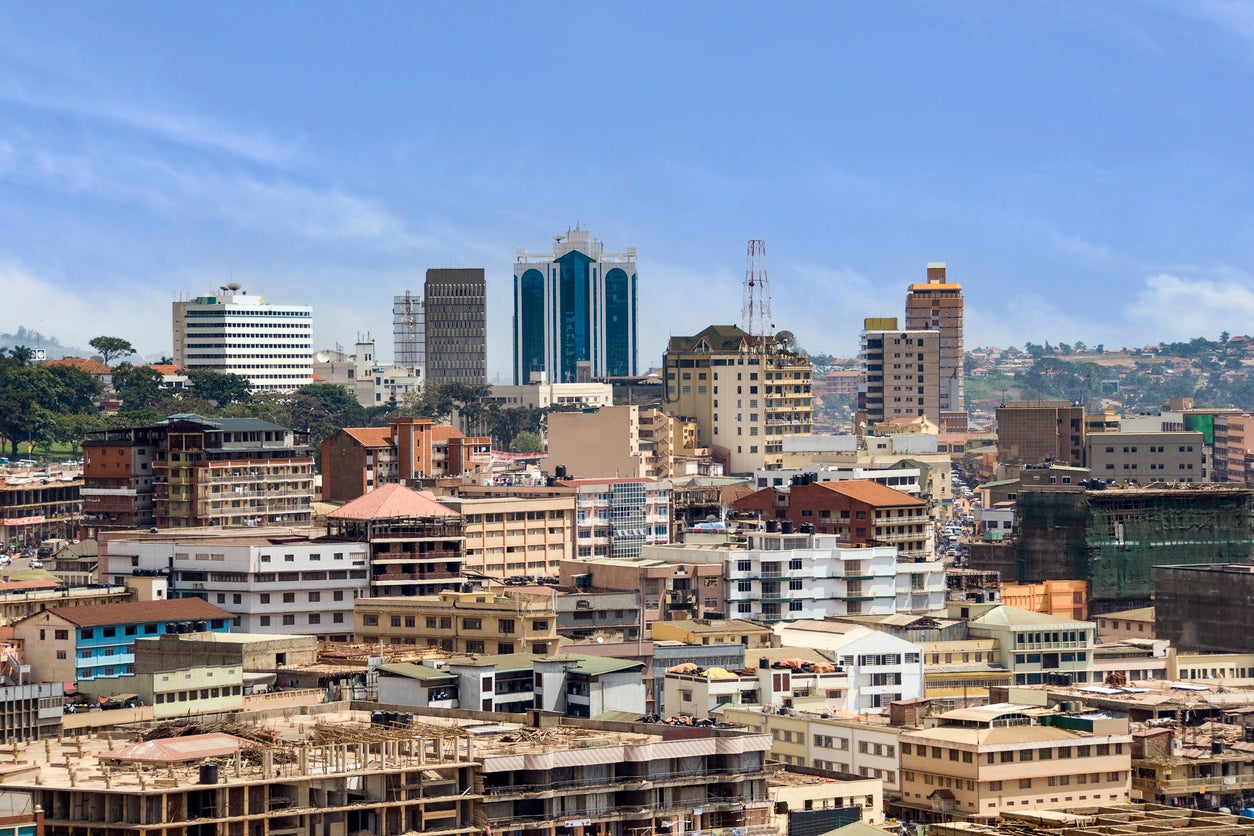
Are there Ebola cases in the rest of East Africa?
Currently, Kenya, Tanzania and Rwanda have not reported any Ebola cases.
Generally, travellers arriving from Uganda, Ethiopia and the DRC may be subject to enhanced health screening measures due to the ongoing Ebola outbreak, including having their body temperature measured.
In Rwanda, new border measures mean foreign nationals who have travelled to or transited through the DRC in the previous 30 days before travel will be denied entry. Rwandan nationals and foreign residents may enter, subject to mandatory quarantine procedures.
What is the risk of catching Ebola?
“The risk of catching Ebola is extremely low, and non-existent outside the outbreak areas,” Dr Richard Dawood, medical director of The Fleet Street Clinic, told The Independent.
He said, “There is no airborne transmission, and you can only catch Ebola through contact with a sufferer who is exhibiting symptoms.
“At the moment, the main area of risk is in eastern DRC, which is almost impossible to visit. The risk in other East and central African countries is minimal.”
Dr Dawood added that the current outbreak makes it “more important than ever” to avoid becoming ill with any illness that could possibly be mistaken for Ebola, particularly including malaria and other insect-borne diseases.
“Seek up-to-date health advice for your destination and follow precautions carefully,” he added.
What does the WHO’s emergency declaration mean?
According to Dr Daniela Manno, Clinical Assistant Professor at the London School of Hygiene and Tropical Medicine, the WHO declaration does not signify a risk to the general public.
Dr Manno said: “The declaration by WHO of a public health emergency of international concern reflects the operational complexity of the outbreak and the need for coordinated international support, rather than indicating a high global risk to the general public.”
The WHO has said that the current outbreak does not meet the criteria of a pandemic emergency and has advised countries not to close borders or place trade or travel restrictions, as such measures could encourage unmonitored crossings and undermine efforts to contain the spread.
When was the last Ebola outbreak?
Previous outbreaks of the Bundibugyo strain were recorded during a 2007 to 2008 Uganda outbreak that infected 149 people and killed 37.
A second Bundibugyo outbreak in 2012 in Isiro, Congo, saw a reported 57 cases and 29 deaths.
The 2014-2016 Ebola outbreak in West Africa, caused by the Zaire virus, was the largest in history, spreading from Guinea, Liberia and Sierra Leone to multiple countries. More than 28,600 cases were recorded, including 11,325 deaths.
Are holidays still going to East Africa?
Virginia Messina, Group CEO of ATTA, the African Travel and Tourism Association, said: “The Ebola outbreak remains contained to specific regions in the Democratic Republic of Congo and a few imported cases in Kampala, Uganda.
“The rest of the African nations remain unaffected, and travel continues as normal.”
During a 2014 Ebola outbreak in West Africa, “worries about Ebola spread quickly and had a knock-on impact across the whole region – beyond those countries that were directly affected”, said Joanna Reeve, UK Director at Intrepid Travel, told The Independent.
The travel provider added that its Uganda trips are continuing as planned, with local teams actively monitoring the situation.
Reeve added: “Tourism is incredibly important to local communities, so it’s worth remembering that Africa is a vast continent and there are still many safe ways to travel there.”
Can I travel from Ebola-affected areas?
As of 18 May, non-US citizens travelling from the DRC, South Sudan, or Uganda, within the past 21 days, are “temporarily prohibited” from entering the United States, said the Centers for Disease Control and Prevention (CDC).
The suspension is temporary and is currently set to remain in effect for 30 days while the CDC completes a public health risk assessment.