


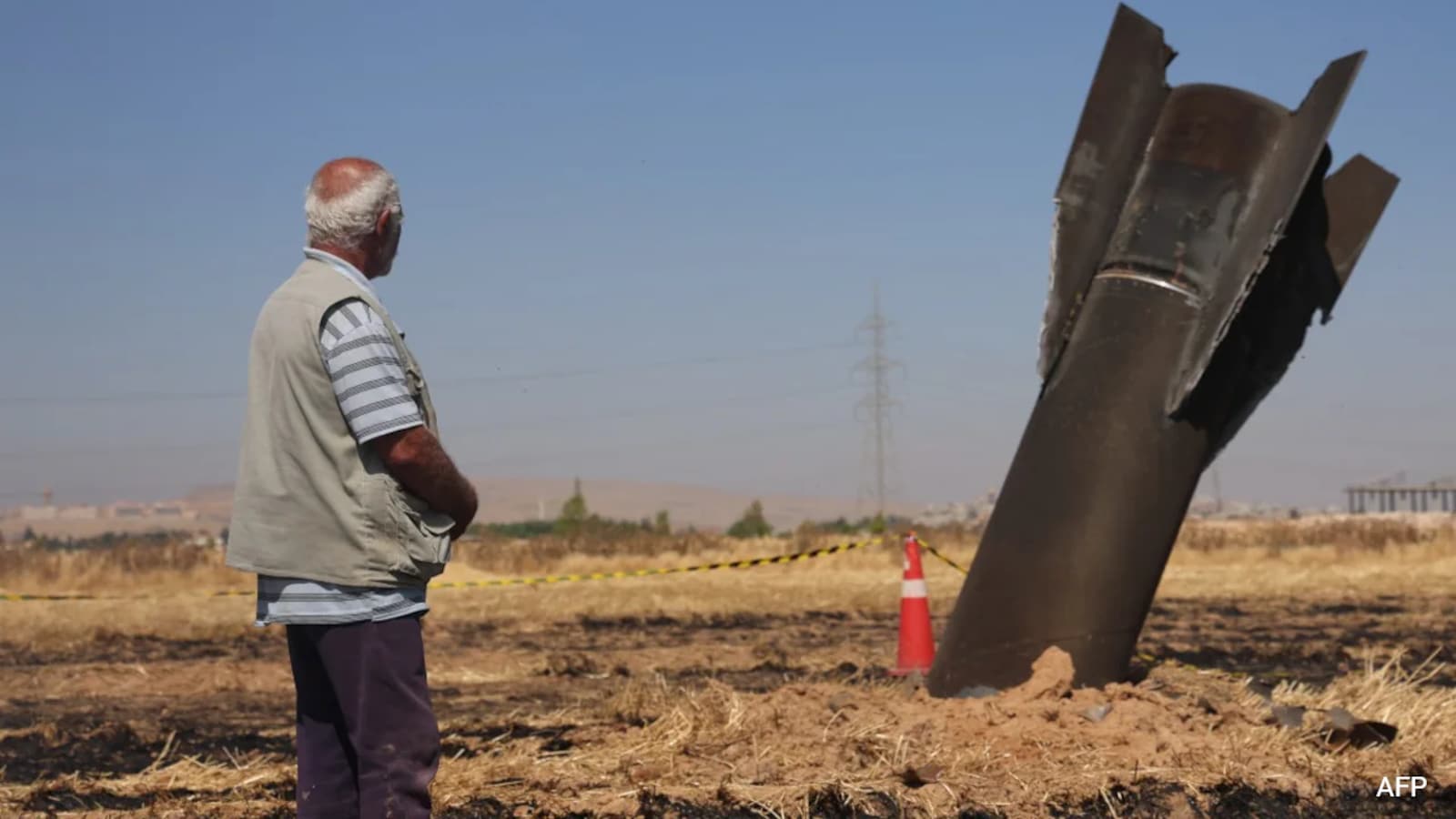
Mahmoud Ataya did not know what had fallen in his field until he went to put out the fire. Half a missile was sticking out of the ground, surrounded by scorched earth on the outskirts of Damascus.
Somewhere above him, the night before, Israel and Iran had been trading fire for the first time in two months.
The missile had come down during overnight exchanges of fire, as projectiles crossed through Syrian airspace. State media in Syria reported explosions above Damascus on Sunday night.
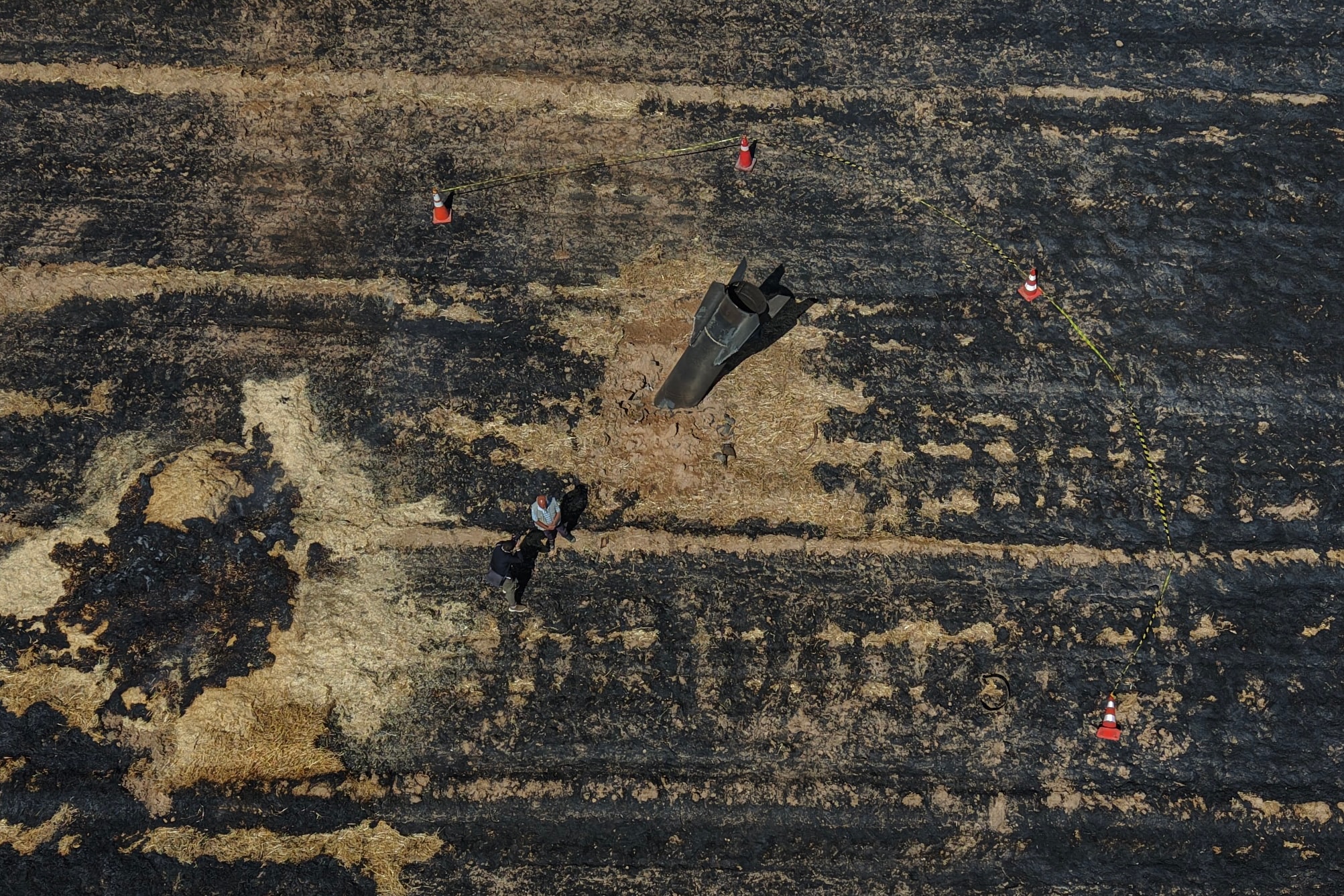
This aerial view shows Syrian farmers standing next to an Iranian missile that fell into an agricultural land in the area of Najha, in the countryside of the Syrian capital after being intercepted by Israeli air defense systems on June 8, 2026.
Photo Credit: AFP
Israeli Strikes On Beirut Set Off A Chain Reaction
The sequence of events began with Israel striking the southern suburbs of Beirut on Sunday. The attack came in apparent disregard of a direct request from US President Donald Trump, who had asked Israel to hold back in the days prior.
Tehran responded by launching approximately 30 missiles at Israel overnight, according to an Israeli military official. Tehran labelled it retaliation for the Beirut strikes.
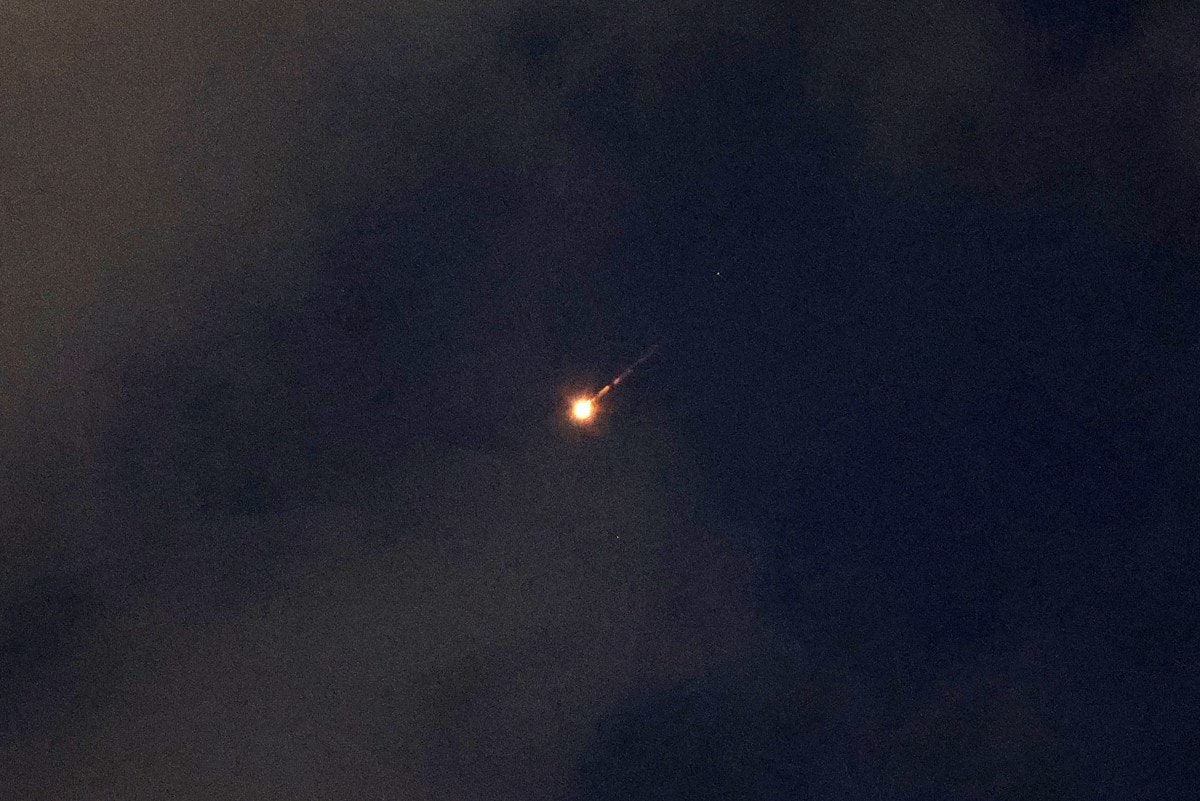
A rocket trail is seen in the sky above the Israeli coastal city of Netanya on June 7, 2026.
Photo Credit: AFP
Israel then struck back, hitting military sites and defence systems inside Iran. At least 15 people were wounded in Iran during Monday’s Israeli strikes, according to the National Emergency Medical Organisation. No casualties have been reported so far.
In Gaza, it was different. Israeli strikes on Monday killed at least five people, including a child. Several others were wounded.
As Israel and Iran traded blows, the wider regional fallout was immediate. Iraq’s Civil Aviation Authority announced a 72-hour closure of Iraqi airspace in response to the renewed attacks. By Monday, the airspace was back open.
Yemen’s Houthi rebels also launched a missile towards Israel and threatened to resume disrupting shipping through the Red Sea, one of the world’s critical maritime corridors.
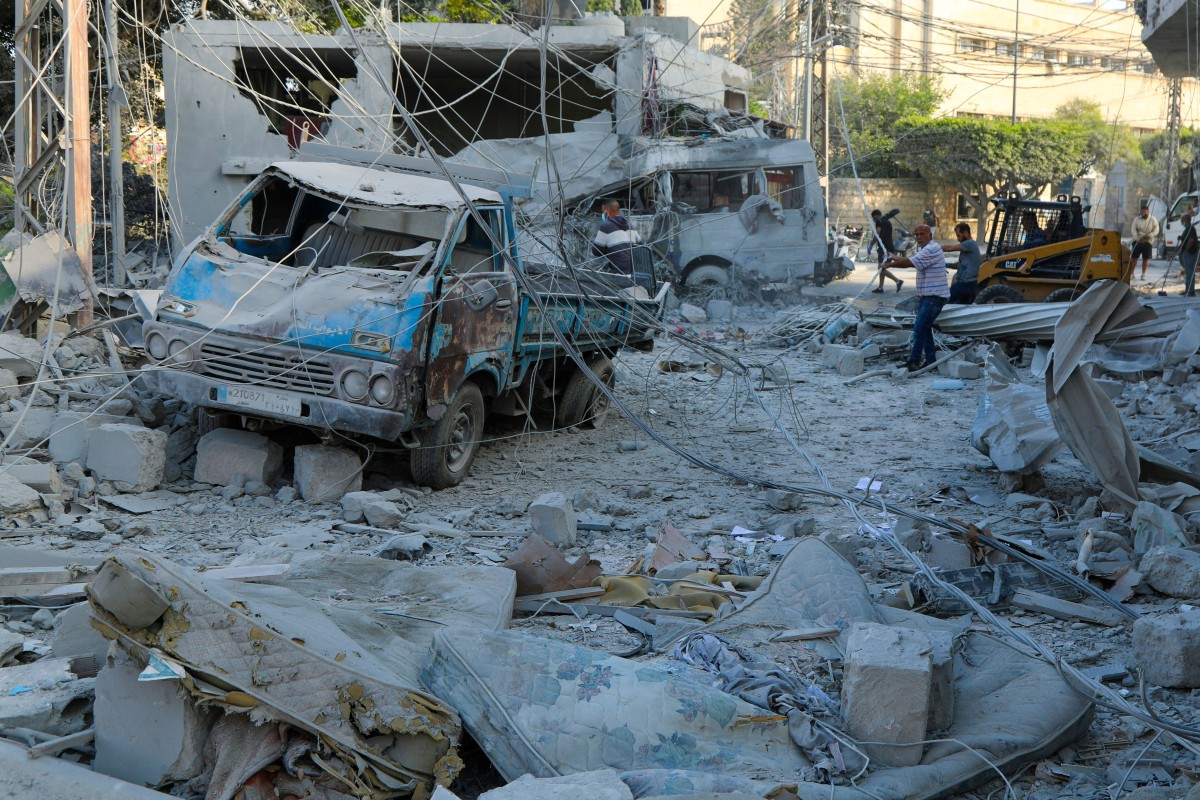
Workers clean debris a day after Israeli airstrikes in Tyre on June 8, 2026.
Photo Credit: AFP
Trump Intervenes
As the strikes and counter-strikes continued, Trump issued a series of posts on his Truth Social platform. “Israel and Iran must immediately stop ‘shooting.’ President DONALD J. TRUMP,” he wrote.
Minutes later, he added that “final negotiations” towards a peace agreement were continuing, “subject to ignorance or stupidity getting in its way.”
He later posted again, insisting that both Israel and Iran were “looking to do an immediate CEASEFIRE.”
The renewed escalation came against the backdrop of a strained relationship between Trump and Israeli Prime Minister Benjamin Netanyahu. In an interview with the Financial Times on Sunday, Trump said, “I call the shots. I call all the shots. He doesn’t call the shots,” referring to Netanyahu.
Iran Announces Pause In Fighting, But With A Warning
By Monday, Iran’s military joint command announced it was suspending its offensive operations. But the statement came with a caveat. If Israel or its supporters carried out any further “aggression and hostile acts,” including in southern Lebanon, “much more severe and crushing measures than before will follow,” the command said.
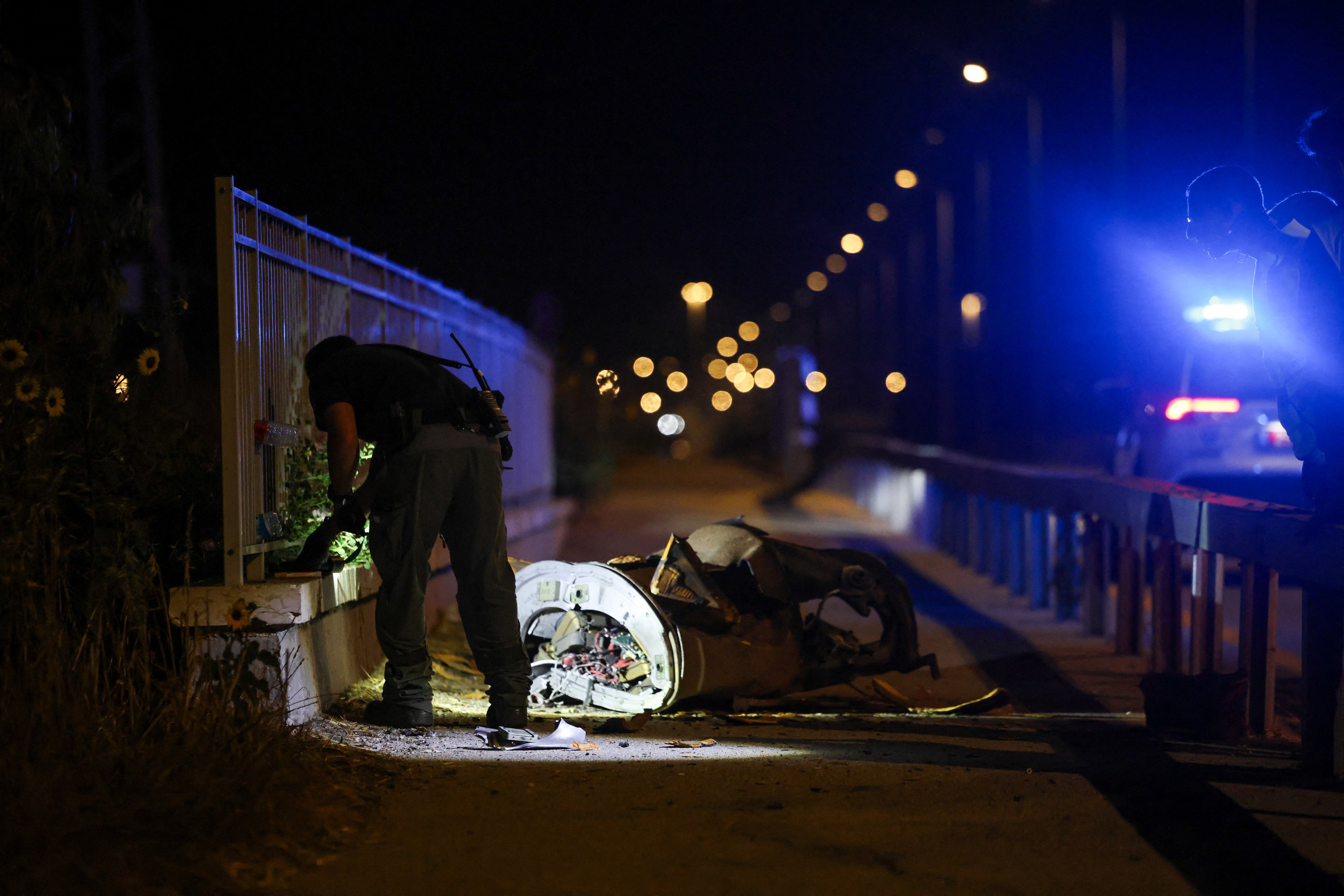
Israeli security and rescue personnel work next to a part of a projectile following a missile attack from Iran towards Israel in northern Israel, June 8, 2026.
Photo Credit: Reuters
A City On Edge
On the ground in Tehran, the mood on Monday morning reflected exhaustion and fear.
“Today, there were a lot of sounds in Tehran, mostly in the south. My body was shaking for an hour,” said Mahtab, a 62-year-old hairdresser, who told AFP. “If things continue this way, we will leave Tehran again.”
“I have completely changed in these 100 days. From my former self, I only carry my name,” Mahsa, a 31-year-old chemical engineer from Isfahan, told AFP. “I don’t have hope for anything anymore — not politically, not economically, not even for international help.”
June 7 was the 100th day since the Iran war began and the 60th since the ceasefire that was supposed to contain it. For two months, Gulf nations had maintained a surface calm. Then, in the space of a single night, that pretence gave way, and the region found itself back where it had started.



