


New Delhi:
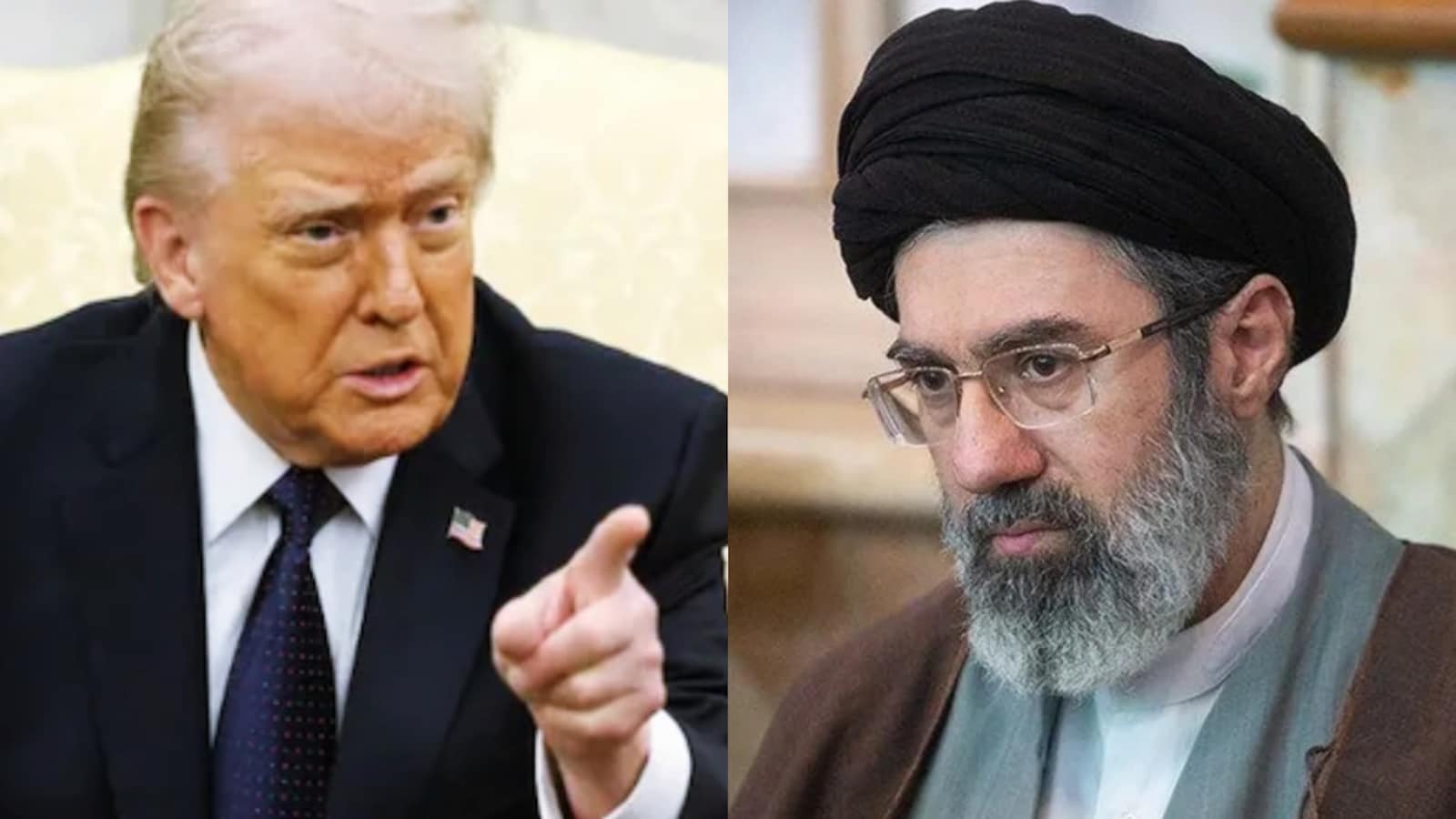
The US-Iran peace deal cliffhanger continues with an official in Washington saying his confidence about reaching an agreement has risen from 75 per cent to 80-85 per cent as questions remain over Tehran’s agreement over key sticking points like nuclear stockpile, frozen assets and the Strait of Hormuz.
On condition of anonymity, the US official told New York Times that a potential framework of an agreement with Iran will likely be signed within “the next few days”, but added that it was not near finished. A signing date or venue remains unclear but Iran’s internal decision-making was “very complicated”, the official added.
“What the deal does is actually quite simple. It accomplishes the core objectives that the President of the United States set out for this mission, and gets us in a very, very good place at the end of it. And what it does is, first, it reopens the straits and lifts the blockade. Number two, it leads to the dismantling of the Iranian nuclear program. Number three, it leads to the United States getting the enriched material. We provided the agreement that this material would be destroyed on site and then taken out of the country,” the White House official added.
Rejecting reports of upfront financial gains for Iran, the official refuted claims that Tehran would receive payments upon signing the memorandum of understanding.”I’ve seen people say that they get $12 billion or $1 billion or $6 billion upon the signing of the MoU. That’s all not true, that the Iranians don’t get anything upon the signing of the MoU or upon the negotiation itself. What they get is that they get rewarded economically for complying with their obligations under the deal, so if they turn over the nuclear material as promised, they’ll get something. If they dismantle their nuclear programs or their nuclear facilities, they’ll get something else. If they, you know, really commit to regional peace and stability, they’ll get additional things on top of that,” an official added.
Though pitched as a major diplomatic victory, reports cited the Iranian side as saying that the proposed agreement will only establish a 60-day ceasefire that would be followed by another set of negotiations over Iran’s nuclear programme and Tehran’s frozen assets.
So far, the terms of the deal remain vague and Supreme Leader Mojtaba Khamenei has stopped short of a direct sign-off. Iran’s foreign minister Abbas Araghchi said the deal “has never been closer”, but reiterated that the negotiations will be conducted in two parts. He pointed to an issue that seems to have hampered negotiations on the Iranian side since a long time: Tehran’s deep distrust with the Trump administration.
Iran’s top negotiator Mohammed Ghalibaf too sounded a cautious note with a post on X that read, “Commitments made must be commitments kept. No ifs, no buts, no excuses. For the close deal ahead, there is no other way. You reap what you sow.”
Commitments made must be commitments kept. No ifs, no buts, no excuses. For the close deal ahead, there is no other way.
You reap what you sow.— محمدباقر قالیباف | MB Ghalibaf (@mb_ghalibaf) June 12, 2026
But the US official dismissed Iran’s version of the deal’s workings, saying they are aimed at Iranian leaders’ domestic audience.
Israel, which launched the war along with the US on February 28, has been kept out of the negotiations and refuses to withdraw from Lebanon. The US official though told New York Times that the peace deal will cover Israel, Lebanon, the Gulf and Iran.
Pakistan, which was the first to host US-Iran talks in Islamabad but not with any success, said it is working with both sides to finalise the next steps to seal a “final, agreed-upon text”.
Amid ongoing intense mediation efforts by Pakistan, we are fully aware of incessant misinformation campaign being waged by those who want to sabotage the peace deal. Setting aside the noise, we can confirm that a final, agreed upon text of the peace deal has been reached and…
— Shehbaz Sharif (@CMShehbaz) June 12, 2026
The developments come even as the US military said it intercepted multiple one-way attack drones that were launched in an attempt to strike commercial ships transiting the Strait of Hormuz. Trump had on Friday issued a warning to Iran on Truth Social about launching drone strikes on ships attempting to transit the strait, calling the action “TOTALLY UNACCEPTABLE.”



