As parts of the planet are cast into shadow today when our moon passes over the sun, travellers have been heading to Spain, Iceland, Greenland and a sliver of Portugal – all in the path of totality – to experience the solar eclipse in all its glory.
A number of countries will be able to view a partial eclipse, including parts of the United States, Canada, Senegal, Morocco, Germany, Poland and the UK and Ireland. In the UK, Devon and Cornwall are among the best spots to watch the celestial event.
Yet anyone who missed Europe’s best eclipse since 1999 on 12 August need not worry – the “eclipse of the century” is set to occur in skies next summer. While totality of this year’s solar eclipse will last up to two minutes and 18 seconds, next year there will be a six-and-a-half-minute spectacle also passing through from Spain, before sweeping up to to North Africa and the Middle East.
Set to be the longest total solar eclipse this century, here’s when and where to catch the rare crossing of the moon and the sun.
What is a total solar eclipse?
A total solar eclipse occurs when the moon passes directly between the Earth and the sun, directly covering the sun’s surface.
When is the next solar eclipse?
On Monday, 2 August 2027, a total solar eclipse will be visible across southern Spain, North Africa and the Middle East.
Where is the next solar eclipse?
According to the US National Solar Observatory (NSO), the 2027 solar eclipse will cross Spain, Gibraltar, Morocco, Algeria, Tunisia, Libya, Egypt, Saudi Arabia, Yemen and Somalia, as well as the Atlantic and Indian oceans.
“Cities under the path of totality include Cádiz, Spain, Tangiers, Morocco, Gibraltar, Benghazi, Libya, Luxor, Egypt, and Jeddah, Saudi Arabia”, said NSO.
Where is the best place to see the 2027 solar eclipse?
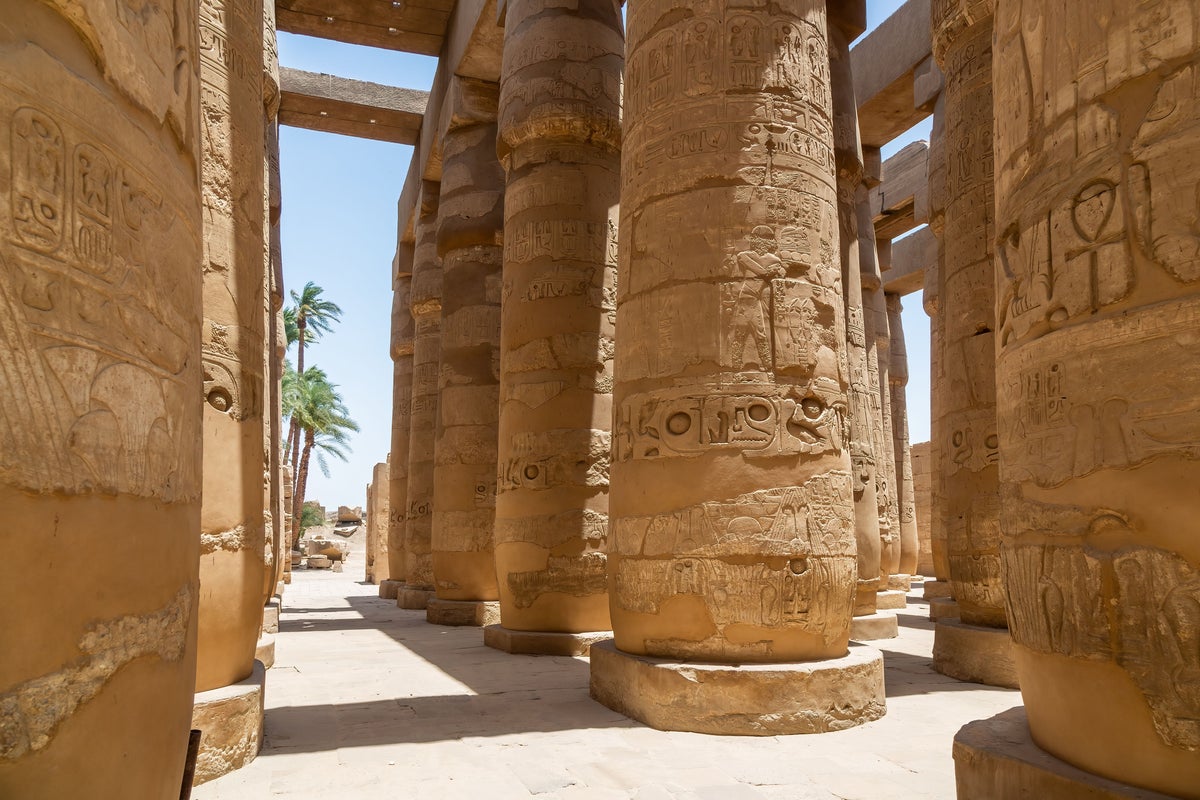
The city of Luxor in Egypt is likely to see the longest duration of totality, estimated at around six minutes and 22 seconds – one of the longest total solar eclipses of the 21st century.
The Saudi Space Agency (SSA) added that total darkness will last approximately six minutes in southern areas like Abha, and about five minutes and 50 seconds in Jeddah and parts of the western coast.
SSA emphasised the “critical importance of following safety guidelines, urging observers to avoid looking directly at the sun without specialised protective glasses or filtered binoculars”.
Read more: New Zealand hotels sell out two years before historic total solar eclipse