




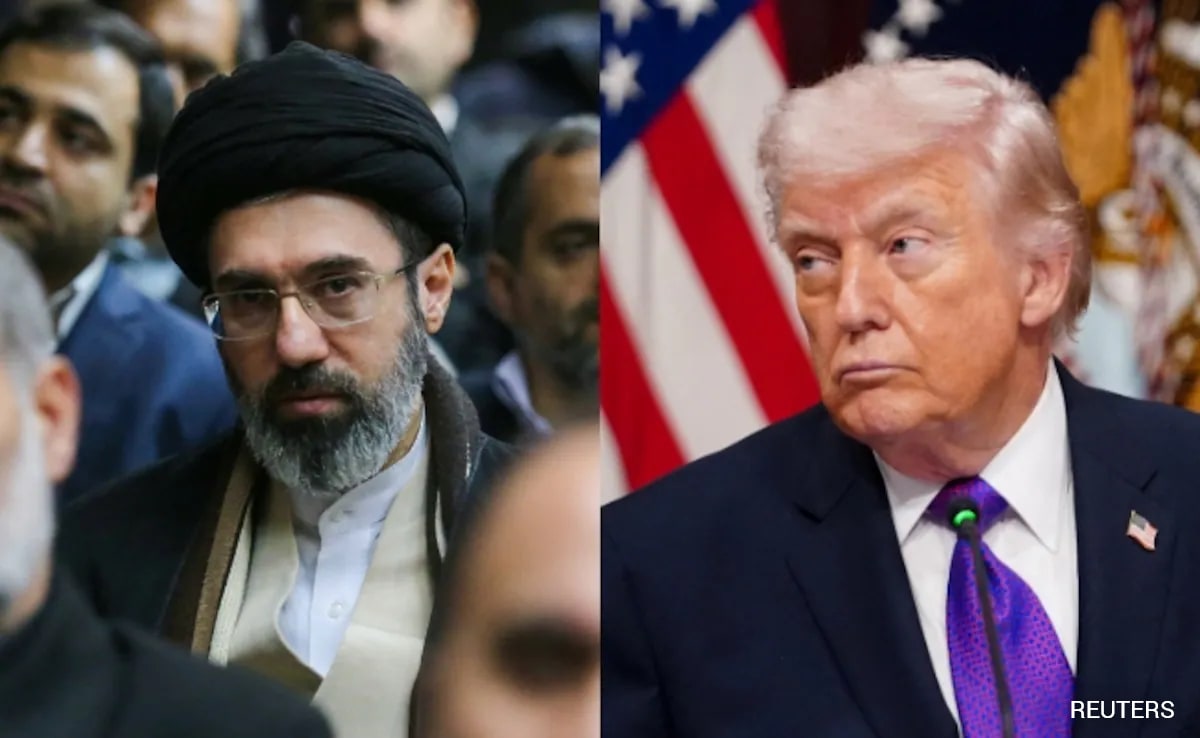
The United States and Iran have reached a peace deal for an “immediate and permanent” end to military actions on all fronts, including Lebanon, signalling the apparent end to more than three months of war in the Middle East. The peace deal, which was initially announced by mediator Pakistan, has been confirmed by Washington and Tehran.
Iran’s Deputy Foreign Minister Kazem Gharibabadi, according to Tasnim news agency, said the deal put an “immediate end” to the countries’ war and that they would hold talks within two months to seek a “final agreement”.
The report said that the official signing ceremony will be held on June 19 in Geneva, Switzerland, and negotiations for a final deal will be held during a 60-day period.
“Negotiations for a final deal will be held during a 60-day period after verifying that the USA implemented its commitments under the deal, including ending hostilities, lifting the blockade, and releasing frozen assets,’ Gharibabadi said, adding that on Friday, the date set for the official signing ceremony, the two delegations will hold talks to determine the future arrangements for the negotiations.
The Iranian leader also said that Tehran has included all its “important positions” in the draft of the memorandum of understanding, adding that the text will be published after the accord is signed.
“This memorandum of understanding does not mean trusting the enemy. We will monitor the implementation of US commitments,” Gharibabadi said.
Iran’s Supreme National Security Council said the deal with the US includes the immediate suspension of hostilities on all fronts, including Lebanon, and an end to the US’s naval blockade on Iranian ports.
“Based on the agreements reached, the war and military operations on all fronts, including Lebanon, will end immediately and permanently as of tonight, and in addition, the naval blockade against Iran will end immediately and completely,” the statement reads.
“Negotiations for a final agreement will be postponed until after the other party has fulfilled its obligations under the Memorandum of Understanding. The Islamic Republic of Iran appreciates the efforts of the Islamic Republic of Pakistan and the Government of Qatar. Peace be upon you, God’s mercy and blessing.”
What US Said
“The deal with the Islamic Republic of Iran is now complete. I hereby fully authorise the toll free opening of the Strait of Hormuz and, simultaneously herewith, authorise the immediate removal of the United States Naval blockade.Ships of the World, start your engines. Let the oil flow,” US President Donald Trump posted on social media as he marked his 80th birthday.
Details Of Deal Remain Unclear
The content of the agreement, which follows weeks of fraught negotiations and periodic threats from Trump of fresh hostilities unless Iran reached a deal, remained unclear.
Iran’s Mehr news agency reported that the US will release $12 billion in frozen assets to Iran before the start of negotiations.
It quoted a 14-point “memorandum of understanding” between the two nations, which it said stipulated “the release of 24 billion dollars in frozen Iranian assets during the 60‑day negotiation period” that begins after the MoU is signed.
The Trump administration did immediately comment on the details of the agreement, which may prove contentious as the US presses its efforts to end Tehran’s nuclear ambitions and deal with its stockpile of highly enriched uranium — believed to have been buried by US strikes last year.
European Nations Ready To Lift Iran Sanctions
The announcement of the deal was greeted with international relief and hope for an enduring end to the conflict. UN Secretary-General Antonio Guterres said it was a “critical step” toward resolving the war in the Middle East.
The United Kingdom, France, Germany and Italy said they were prepared to lift sanctions imposed on Iran and will work “with the US, Iran and regional partners to seize this moment, maintain momentum and achieve a long-term diplomatic settlement”.
The announcement also brought relief at market opening on Monday. Oil prices plunged more than four per cent in Tokyo, and Japan’s Nikkei stock index jumped three per cent.
The blockade of the Strait of Hormuz has had a worldwide economic impact, from inflated gas prices that have fuelled inflation in the US and many other countries and congested supply chains for goods like fertiliser, key to food production in areas far beyond the Middle East.
“What we’re going to be able to do is drive down the cost of energy, not just now but for the long term, and create a real engine of prosperity in the Middle East,” US Vice President JD Vance told Fox News.
He said that he planned to attend the signing of the peace deal, which was slated to take place in Geneva, and that it was possible Trump could also go.



