


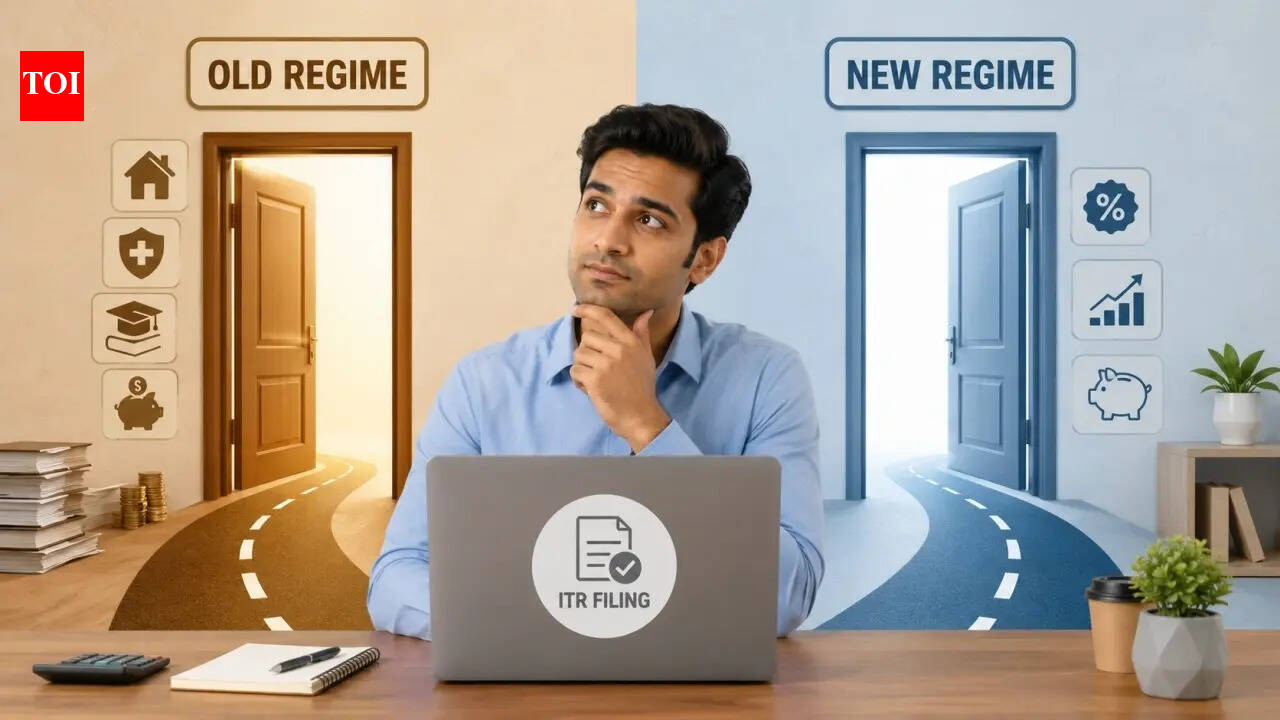

ITR filing FY 2025-26: A choice between the old and new income tax regime is an important one – which one saves you more tax? But the answer to that can change every year. You may have just bought a house, making the old income tax regime more lucrative for the deduction and exemption benefits it offers. Your home loan may have been repaid, reducing the need for higher deductions and exemptions, hence making the new tax regime better for you.But, the question that needs to be answered is: if your tax regime choice can change every year, depending on your financial situation and stage of life, can you switch between regimes every year as well?
ITR filing : Can an individual switch between new and old tax regime every year?
The new income tax regime is the default regime applicable for individual taxpayers. Taxpayers retain the flexibility to opt for the old tax regime, but the frequency depends on the nature of the taxpayer’s income.Also Read | ITR filing FY 2025-26: What documents are required to file your income tax return? Quick checklistRicha Sawhney, Partner Tax, Grant Thornton Bharat LLP explains that for individuals having business or professional income, the decision to opt for the old tax regime is binding for subsequent years once exercised. There is a provision to withdraw this option, however, it can be done only once. An exception applies where the individual ceases to have business or professional income.In contrast, individuals not having business or professional income enjoy greater flexibility, as they can opt between the new and old tax regimes every year. This effectively allows them to switch regimes annually.“Given these considerations, it is advisable for taxpayers to carefully evaluate the potential tax benefits and savings under each regime before making a choice,” Richa Sawhney says.
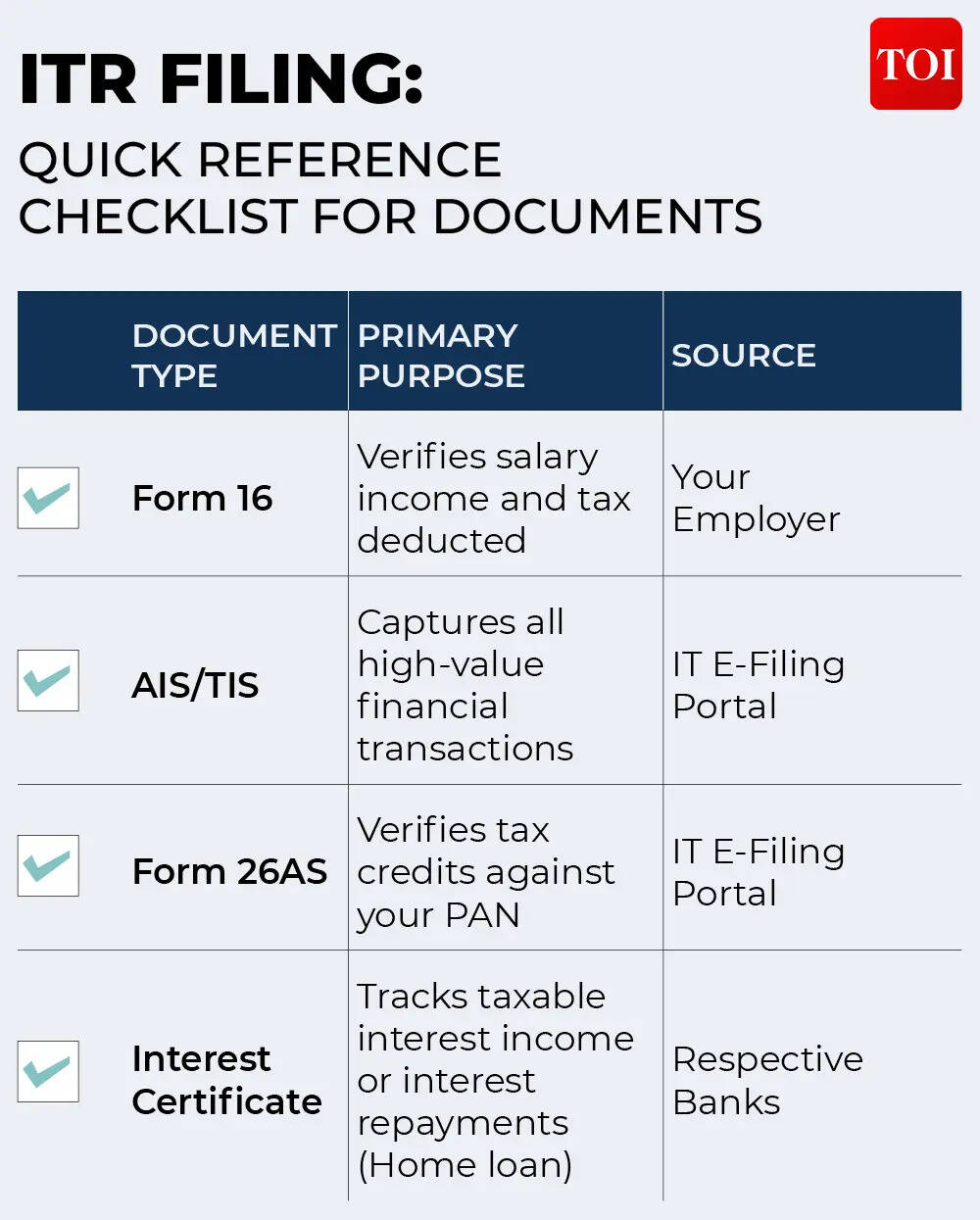
ITR filing: Documents checklist
Yet another factor to remember is that you can opt for the old income tax regime, only if you file your tax return within the July 31, 2026 deadline. Any belated tax return will automatically switch you to the old tax regime.Richa Sawhney, Partner Tax, Grant Thornton Bharat LLP says, “The distinction between the two categories of taxpayers reflects a considered policy choice. While individuals without business or professional income can revisit the choice between the old and new tax regimes every year, those having business or professional income are subject to a far tighter framework. This is understandable because, in business cases, the tax position is rarely confined to a single year; several factors such as depreciation and carried-forward losses often have continuing implications.”“Viewed in that context, the intent of the restriction seems to be to ensure continuity and certainty while discouraging frequent switching for year-specific tax advantage. In essence for taxpayers with business income, it becomes a more strategic and longer-term choice rather than a year-by-year decision,” she tells TOI.Note – While the old and new Act provisions related to the new tax regime are the same, Section 115BAC will apply to the forthcoming return of income for FY 2025-26 which will be filed in July/Aug 2026.Also Read | ITR filing FY 2025-26: What is Form 26AS & what if it has errors? Things taxpayers should do to avoid getting a tax notice



