


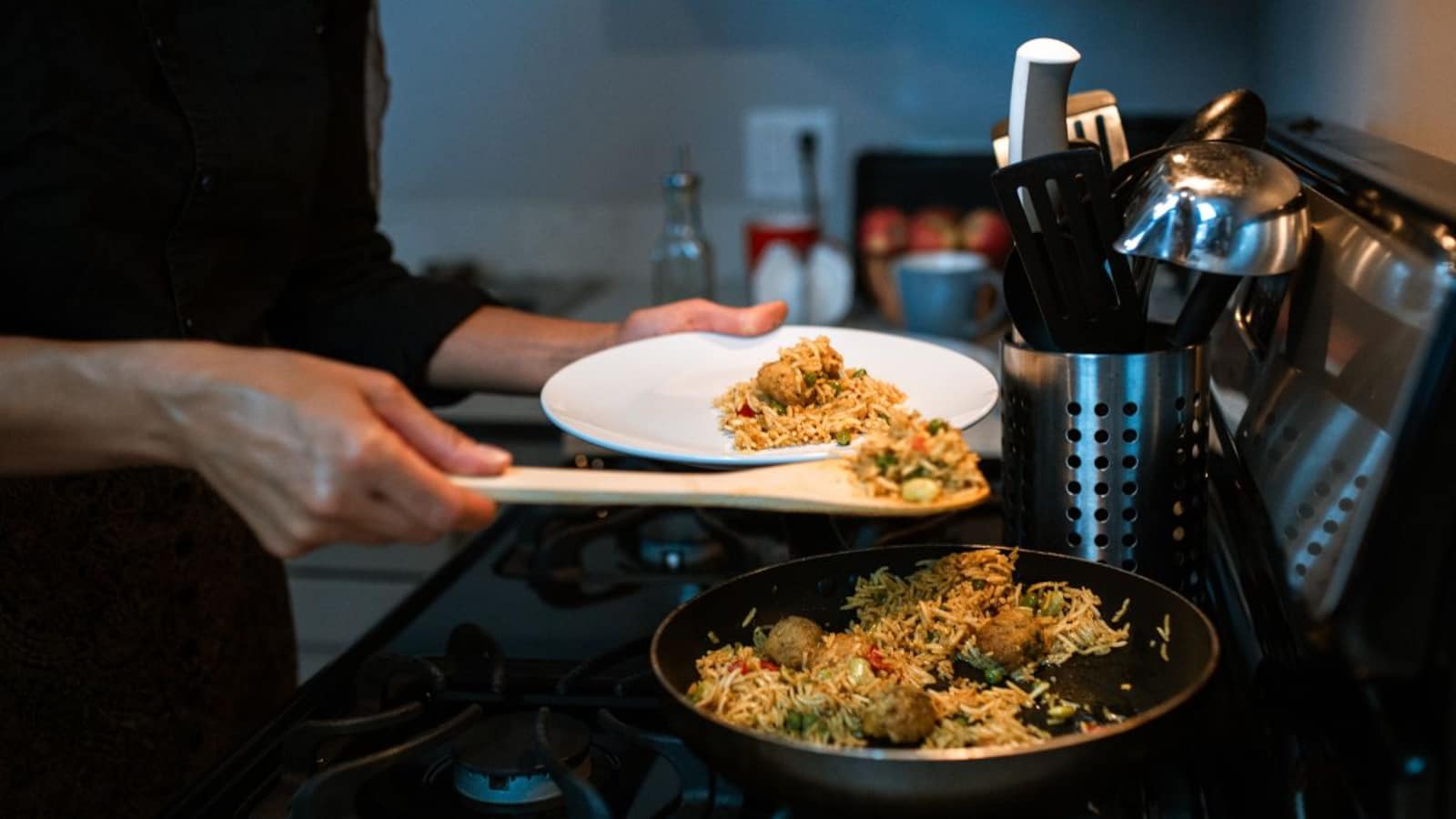
There’s something comforting about opening the fridge and finding leftover rajma chawal, biryani, pasta, or sabzi waiting for you. Leftovers save time, reduce food waste, and often taste even better the next day. But before you quickly toss that food into the microwave or onto the stove, the Food Safety and Standards Authority of India (FSSAI) wants you to pause for a moment.
FSSAI’s Tips For Reheating Leftover Food
A few simple reheating practices can help maintain food quality and reduce the risks. Check out these quick tips on reheating leftovers the right way.
Reheat smart, eat safe!#EatRightIndia#FSSAITipspic.twitter.com/hOCPpr2uX4— FSSAI (@fssaiindia) June 24, 2026
In a recent post on X, FSSAI shared that reheating food the right way is just as important as cooking it properly in the first place. While leftovers can be perfectly safe to eat, certain reheating mistakes can increase the risk of food contamination and foodborne illnesses. These simple habits can help keep your food safe, tasty, and enjoyable:
Don’t Mix Freshly Cooked Food With Leftovers
Many people do this without thinking. Perhaps you’re reheating yesterday’s dal and decide to add some freshly cooked dal to the same pot. FSSAI advises against this practice. Freshly cooked food and leftover food may have very different temperatures and freshness levels. Instead, reheat leftovers separately and only combine them with fresh food after both are properly heated.
Also Read: Gujarat Woman Churns Ice Cream Using Ceiling Fan, Internet Salutes Her “Desi Jugaad”
Avoid Reheating The Same Food Again And Again
Have you ever reheated a large pot of curry, eaten a little, put it back in the fridge, and then reheated it again the next day? This is one of the most common leftover mistakes. Every time food is taken out of the refrigerator, warmed up, cooled down, and stored again, it spends more time at temperatures where bacteria can multiply.
Heat Only The Amount You Plan To Eat
Instead of warming up an entire container of leftovers, take out only the portion you intend to eat. This keeps the remaining food safely chilled in the refrigerator and prevents unnecessary reheating. For example, if you have enough leftover pulao for four people but only one person is eating, reheat a single serving rather than the whole box.
Stir Food Well While Reheating
Ever taken a bite of food that felt hot on top but surprisingly cold in the middle? This is especially common when using a microwave. The problem is that food doesn’t always heat evenly. Some parts may become very hot while other sections remain cooler. These cooler spots can allow bacteria to survive.
Defrost Frozen Food Before Reheating
Freezing is one of the best ways to store leftovers for longer periods, but what happens when it’s time to eat them? Many people place frozen food directly on the stove or in the microwave. While this may seem convenient, it can result in uneven heating. FSSAI advises thawing or defrosting frozen food completely before reheating it.
Also Read: Was Vedang Raina’s Character In Main Vaapas Aaunga Called ‘Kinnu’ Because He Lived In Sargodha?
What Happens If You Get It Wrong?
Photo: Pexels
Improperly reheated food doesn’t always look or smell bad. However, harmful bacteria may still be present if food has not been heated properly or has been reheated multiple times. Consuming contaminated food can lead to food poisoning, which may cause symptoms such as stomach pain, nausea, vomiting, diarrhoea, and fever. Leftovers are one of the easiest ways to save time, money, and food. But a few careless habits can turn it into a health risk.



