


Almost all of us have one or more food delivery apps on our phones. While some may open these apps when they actually wish to order food, many young people end up spending time just scrolling through food delivery or online shopping apps, without any hunger or desire actually to shop. Now, a new kind of apps, called “dopamine apps”, is increasingly gaining popularity among South Korea’s Gen Z, designed to simulate an online shopping experience without actually making a real purchase.
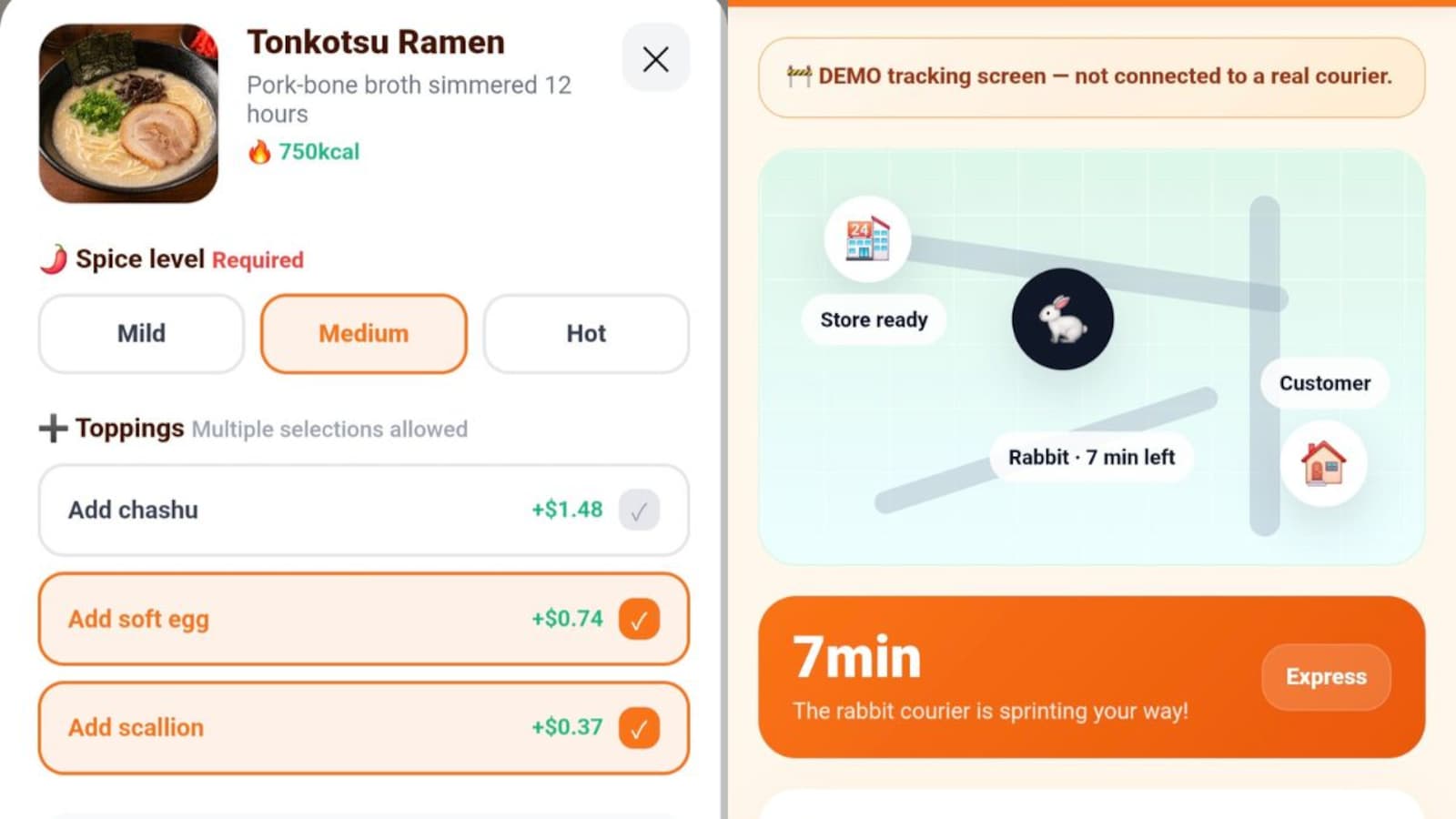
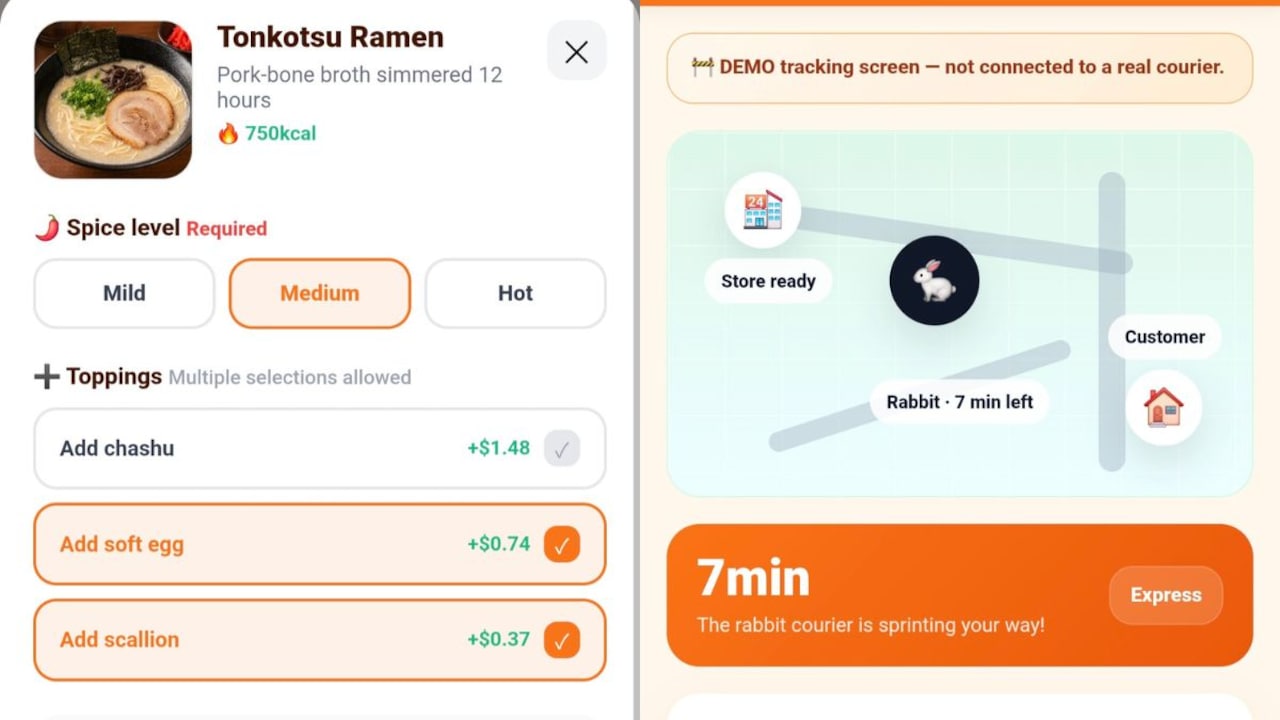
One of the most prominent examples of this trend is a platform called FoodNeverComes. True to its name, the app replicates the entire food delivery journey but stops short of delivering anything.
Users can browse restaurants, customise orders, enter their address, choose a payment method and even track a delivery rider on a map. Yet, no food exists.
Also Read:After Pune Success, Swiggy Launches ‘Toing’ In Delhi-NCR For Ordering Affordable Meals
What Exactly Are ‘Dopamine Sites’?
Dopamine sites are online platforms that mimic everyday digital activities like shopping or ordering food, but without any real transactions or food delivery. Users can browse menus, select dishes, add items to a cart and even proceed to checkout, without making an actual payment.
You can even see delivery time, star ratings, and order tracking features. The only thing missing is the actual order.
For users, this simulated satisfaction is precisely the point – they get the feeling of indulgence without the financial cost. According to The Korea Times, the trend has rapidly gained popularity among South Korea’s younger population, particularly those trying to curb spending or manage impulsive shopping habits.
Also Read: ‘Paid For Food That I Never Got’: Man Claims Zomato Denied Refund, Company Reacts
A Late-Night Habit Without The Expense
For many users, these apps have become a tool to navigate everyday cravings. Kim, a 25-year-old office worker quoted by The Korea Times, described how he uses such platforms late at night.
At around 2 am, he opens a site designed to resemble a food delivery app, browses dishes, adds items to his cart and simulates placing an order – despite having no intention of buying anything.
“It somehow feels like I actually ordered something,” he said.
Kim explained that this habit helps him deal with late-night hunger while avoiding unnecessary spending. “There are many times when I crave food late at night, but I hold back to save money. It feels like a real delivery app, so I somehow keep looking at it,” he said. The process, he added, offers a small sense of relief from stress without leading to an actual purchase.
The Idea Behind Creating A Fake Food Delivery App
As reported by Fast Company, the app FoodNeverComes was created by South Korean developer Malhee, who was inspired by repeatedly opening and closing delivery apps at night. “I started it as a joke at first, but surprisingly, just satisfying that urge to ‘order something’ made it weirdly fulfilling without actually ordering,” Malhee shared on X.
배달앱을 켰다 끄기를 반복하던 그 밤에 만든 이상한 앱이 있습니다.
“음식만안와요” 🍱
진짜 배달앱처럼 메뉴 고르고, 장바구니 담고, 주문서 쓰고, 라이더 위치 추적까지 다 됩니다. 그런데… 정작 음식은 안 와요. 결제도 0원, 배달도 없음. 완전한 데모 앱이거든요.
대신 주문이 끝나면 화면에… pic.twitter.com/jrDxzdGOlA— 말희 (@malheeelife) June 13, 2026
The developer added that the app is meant for anyone trying to cut back – whether due to budgeting, dieting, or simply breaking the habit of compulsive browsing.
Getting The Dopamine Hit Of Ordering Delicious Food, Without Ordering
The psychological draw of these apps can be linked to dopamine, a chemical in the brain associated with reward, pleasure and motivation.
According to Harvard Health Publishing, dopamine is activated not only when we receive a reward but also in anticipation of it. This helps explain why even simulated activities, such as browsing or “fake ordering”, can feel satisfying.
When using a fake food delivery app, the users go through the same decision-making process, experience the same visual cues, and engage in the same behaviours, which triggers a sense of reward without spending any money in the end. The brain responds as if something rewarding is happening, even if in the final step, the purchase never occurs.
Helpful Tool Or Unhealthy Digital Escape?
For users trying to reduce spending or resist impulsive eating, dopamine sites can provide short-term benefits. They offer a way to satisfy cravings without financial consequences, acting as a buffer between impulse and action.
However, not everyone sees them as a solution. Critics argue that these platforms reflect deeper issues tied to economic pressure, rising living costs and digital dependency.
Much like endless scrolling on social media, dopamine sites may provide temporary relief but do not address underlying concerns such as stress, loneliness or financial anxiety. The behaviour remains intact, only the transaction is removed.
Professor Kim Heon-sik from Jungwon University noted that the trend reflects broader social conditions. “This is an era marked by uncertainty about the future and burnout,” he said, as quoted by The Korea Times. “People now tend to find comfort simply in feeling loosely connected online.”
Food (Or Fake Food) For Thought
A fake food delivery dopamine app might give you the same browsing and user experience as a real food delivery app, without actually ordering food. While this may help those trying to watch what they eat or control late-night spending, the existence and popularity of such sites signal how more and more young people, in this age of ever-rising tech in our lives, depend on their phone apps and simulated experiences for “real” comfort.



