


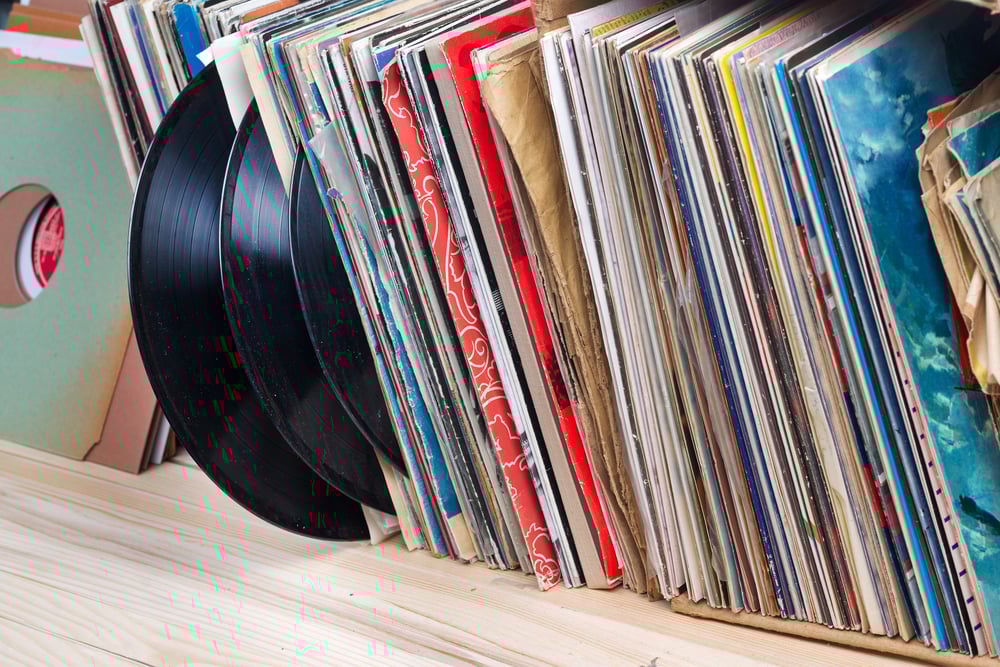
Warner Music Group and a group of independent US record stores have launched a pilot inviting consumers to return damaged or unwanted vinyl records, regardless of artist, label, or condition.
Participating stores will act as collection points, with the records then passed to recovery partner Virterras Materials to assess whether they can be channeled into material recovery.
The pilot runs from the end of June through September.
It is the second vinyl recycling pilot Warner has put forward in two months.
In May, the company showed alongside GZ Media and Abbey Road Studios that unsold records could be shredded and pressed into new commercial-grade vinyl without compromising sound quality.
Warner‘s May pilot dealt with pre-consumer waste – the unsold stock and manufacturing scrap created before a record is sold – while the new program targets post-consumer waste, the records fans have bought and no longer want.
For WMG, the new pilot is a test of infrastructure and economics: what it would cost, and what partnerships it would take, to bring records back from fans at scale.
“Independent record stores have long served as gathering places for music fans and stewards of music culture,” said Madeleine Smith, Senior Director of ESG at Warner Music Group.
“The pilot brings together retailers, recovery partners, and music fans to explore an important question: what would it take to create practical pathways for recovering unplayable or damaged vinyl records? It’s a vital first step in understanding what’s possible.”
Virterras Materials recycles waste streams such as plastics and rubber.
In February, its VMB Micro unit won a USD $100,000 grant from the Vinyl Institute‘s VIABILITY program to build what the trade body called the first US consumer-return infrastructure for vinyl records, grinding whole records into reusable material.
Warner‘s take-back pilot is supported by the Vinyl Institute and that same VIABILITY program, which funds post-consumer PVC recycling.
“We are proud to partner with Warner Music and independent record stores across the country to launch a consumer vinyl collection program that gives unsellable and unplayable records a new purpose,” said Jo-Anne Perkins of Virterras Materials.
“Together, we are keeping valuable material out of landfill and creating a more sustainable future for the music industry.”
The industry has given little attention to what happens to records once fans no longer want them, even as the format keeps growing. In the US, vinyl revenues rose 9.3% YoY to $1.04 billion in 2025, with unit sales up 7.9% to 46.8 million, according to the RIAA.
That was the 19th consecutive year of growth for vinyl in the US, where nearly half of all global vinyl revenue is now generated.
Globally, physical formats grew 8.0% YoY in 2025, according to the IFPI’s Global Music Report 2026.
Vinyl is pressed from PVC, a plastic derived from fossil-fuel feedstocks, which has put the format’s environmental footprint under scrutiny as volumes climb.
That May study processed about 10,000 unsold records and pressed variants using 10% to 100% recycled content.
An independent analysis estimated the approach cut carbon emissions by about 10.6% versus pressing the same records from virgin material.
“Vinyl demand is growing, but the industry was never designed to bring unsold records back into production,” said Miriam Lessar, VP of Global Release Management at WMG, at the time.
“Waste is a design problem we have not solved yet.”
Warner has engaged with vinyl’s footprint before. Its 2022 ESG report said it had avoided 46 tons of virgin plastic by pressing 100% recycled vinyl for artists including Coldplay, Ed Sheeran, Gorillaz, Biffy Clyro, and Foals.
For Warner, the question now is whether the other end of that chain – collecting records back from fans and feeding them into a recovery stream – can be built at a cost the industry is willing to bear.Music Business Worldwide



