


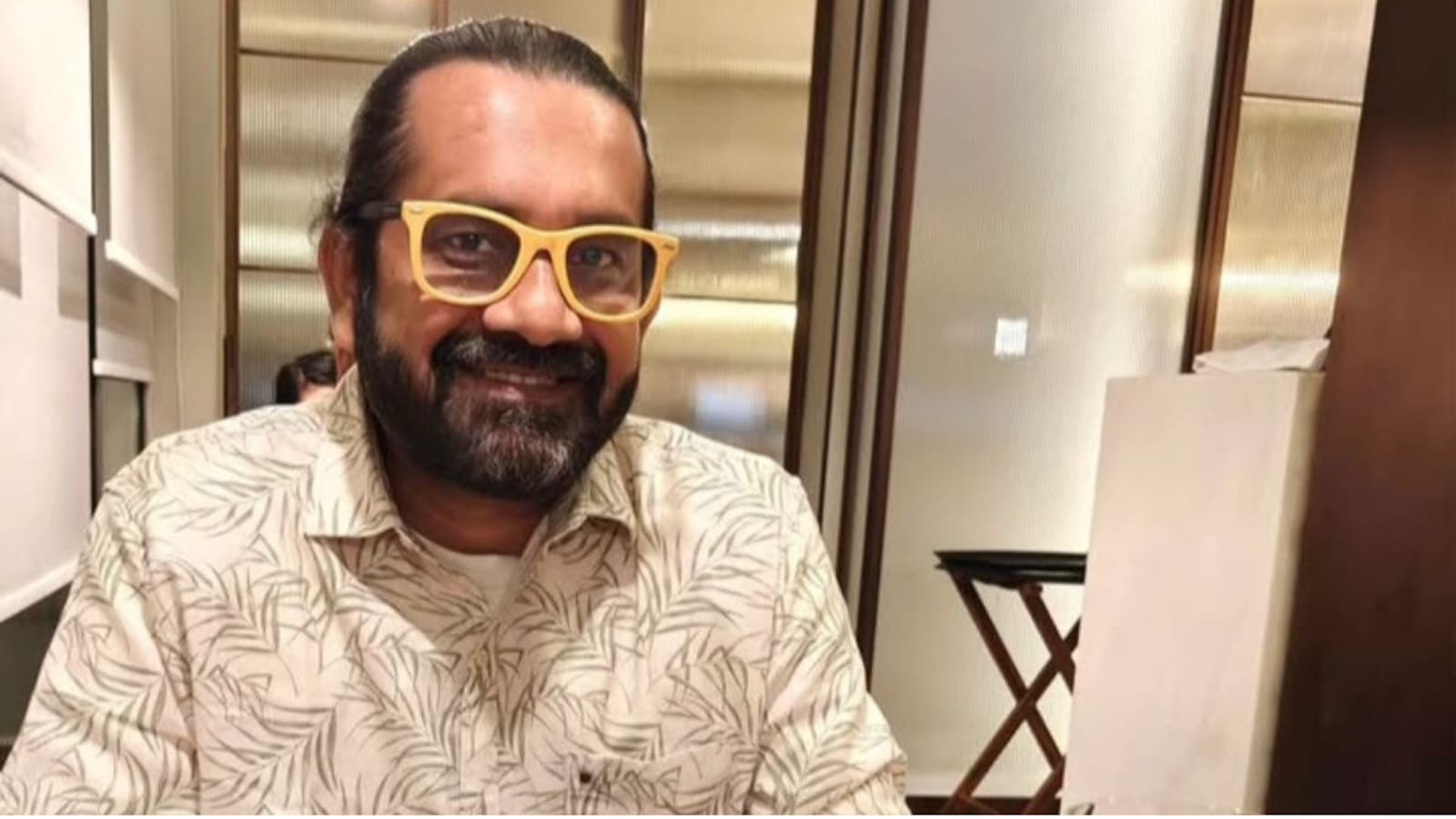
When I sat down at the jury table for the NDTV Food Awards 2026, I carried with me a little more than a decade of writing about food. I also carried Kolkata, a city that has shaped the way I taste, think about and understand food. So when conversations turned to regional representation, I found myself listening as much as I was arguing. This piece is an attempt to bring some of those thoughts together not as a conclusion but more like honest, and ongoing questions.
There is no denying that regional Indian food is having its moment of glory. Social media definitely deserves the credit for it. A reel can make a Naga pork curry feel immediate and desirable to someone scrolling in Mumbai. But trends move on, and that is where a platform like NDTV Food has a responsibility that an algorithm never will.
A reel can introduce a dish but it cannot build enough credible context, or the lasting respect.
What regional food needs now is not a spectacle but consistency and more chefs and restaurateurs coming forwards with chef driven restaurants dishing out soulful regional food. It cannot be a single regional special time to a festival but more sustained storytelling. The cooks who have preserved recipes for generations deserve the same attention we routinely give to a new restaurant opening in a metro city. This is where awards and recognition platforms, used rightly, can do something a trend cycle cannot. They can institutionalise respect. They can say, formally and repeatedly, that this cuisine matters beyond this moment.
There is, however, reason for optimism.
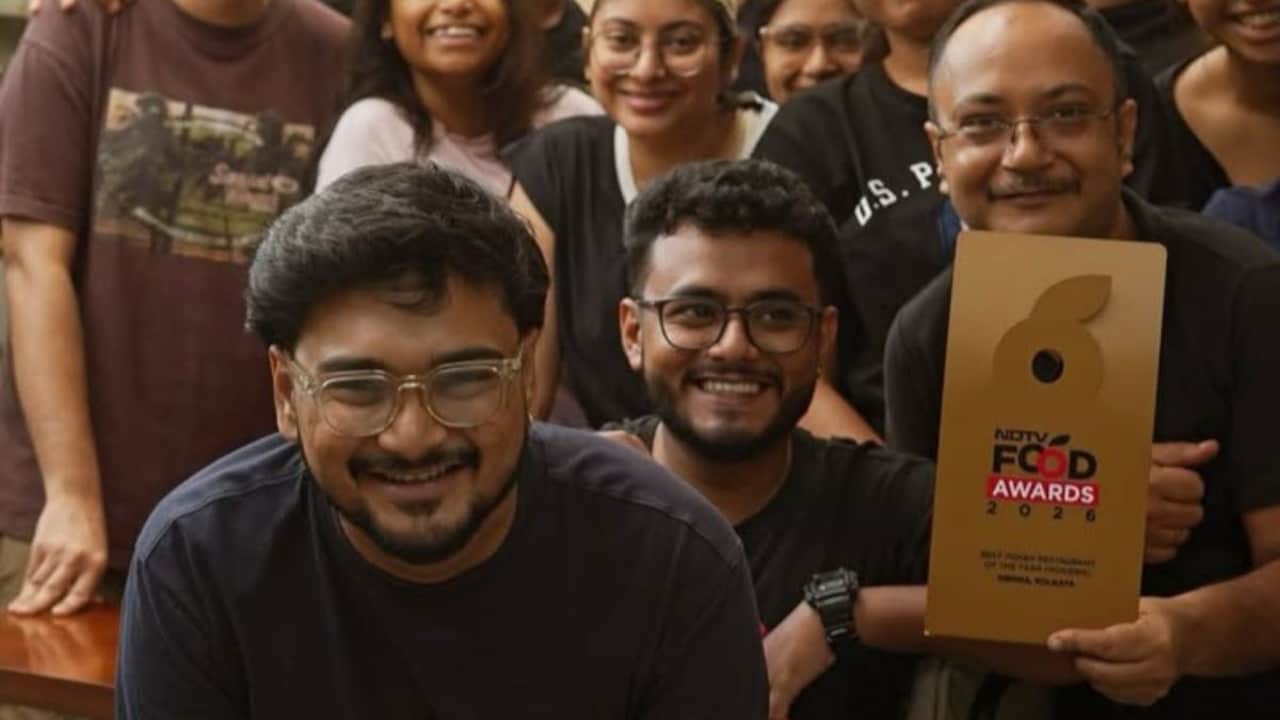
Photo Credit: Instagram
The NDTV Food Awards 2026 offered a glimpse of what meaningful representation can look like. Among the winners were Sienna Calcutta for Best Regional Indian Restaurant (Modern), Aminia for Best Historic Restaurant, and Doma Wang as Restaurateur of the Year where her restaurant is all about Eastern Himalayan cuisine, all from Kolkata. Equally significant was Ethnic Table in Dimapur, Nagaland, winning Best Indian Restaurant in the Regional category.
And yet, while these wins deserve celebration, they also highlight a larger challenge.
When people speak of eastern Indian food on a national stage, the conversation often narrows very quickly. More often than not, it stops at Bengal, sometimes even at Kolkata. Everything else, the food traditions of Odisha, Assam, Manipur, Nagaland, Sikkim, Tripura, and the tribal belts of Jharkhand and Chhattisgarh, continues to occupy the margins of the conversation.
I have spent much of the last decade trying, in my own small way, to document food cultures through a wider lens. Through Pikturenama, I have written about Bengali food not as a monolith but as a collection of overlapping influences and communities. That same instinct led me to co-author and edit Heirloom Cities: Kolkata, a book that explores the city’s food, heritage and multicultural identity, and to be part of organisations such as Culinary Culture that continue to advocate for rigour and fairness in how Indian food is documented and celebrated. Being on the jury for the NDTV Food Awards this year felt like a continuation of that journey.
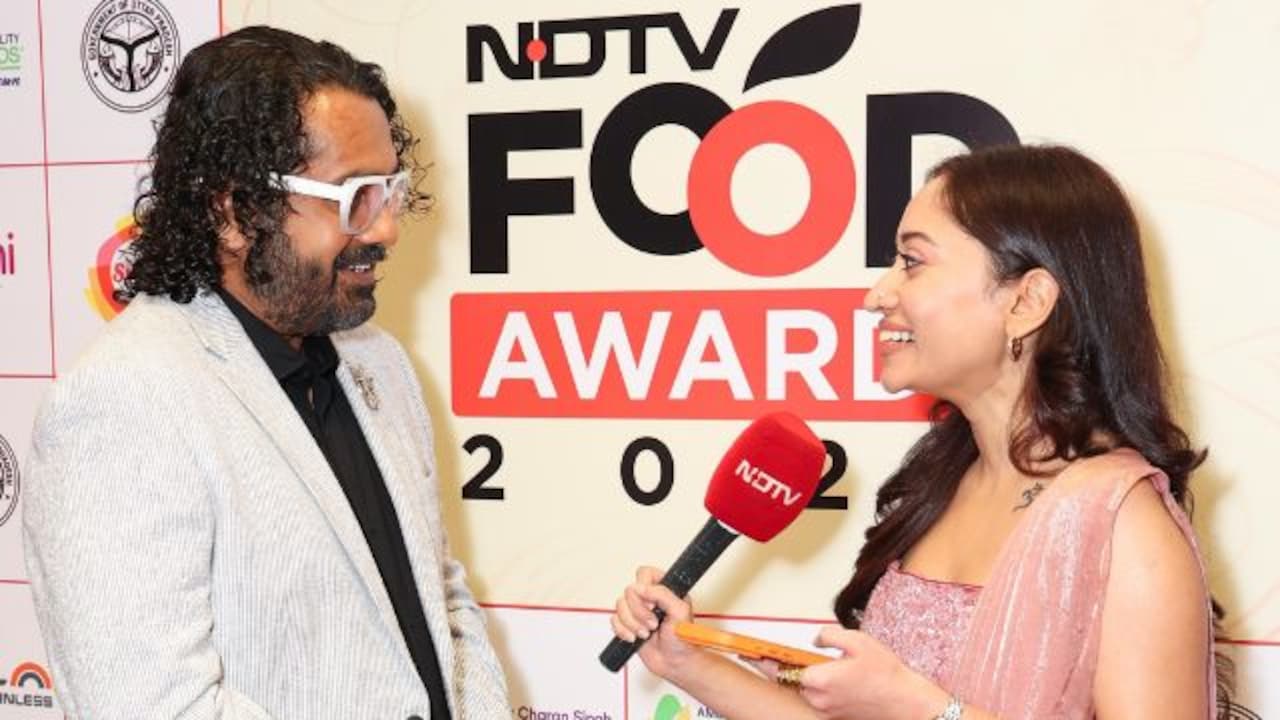
India’s regional food story is far from finished being told. Social media will continue to surface fascinating dishes and stories from every corner of the country but virality is not the same as visibility, and visibility is not the same as respect. Respect comes from sustained attention. From documentation, criticism, to platforms willing to invest times and resources into telling these stories properly.
The east has never lacked great food but what it has lacked is the visibility beyond its own geography. And even within visibility, Bengal has frequently occupied so much of the conversation that other equally rich culinary traditions have struggled to find space beside it. Perhaps the real challenge before us is not about discovering new cuisines (they have always been there), it’s about learning how to listen to them with the same curiosity, seriousness and generosity that we have extended to select few.
When that happens, regional Indian food will stop being a trend but become a part of how we understand Indian food itself.
Anindya Sundar Basu is a noted food photographer, writer and digital storyteller whose work captures India’s rich and diverse food culture.



