


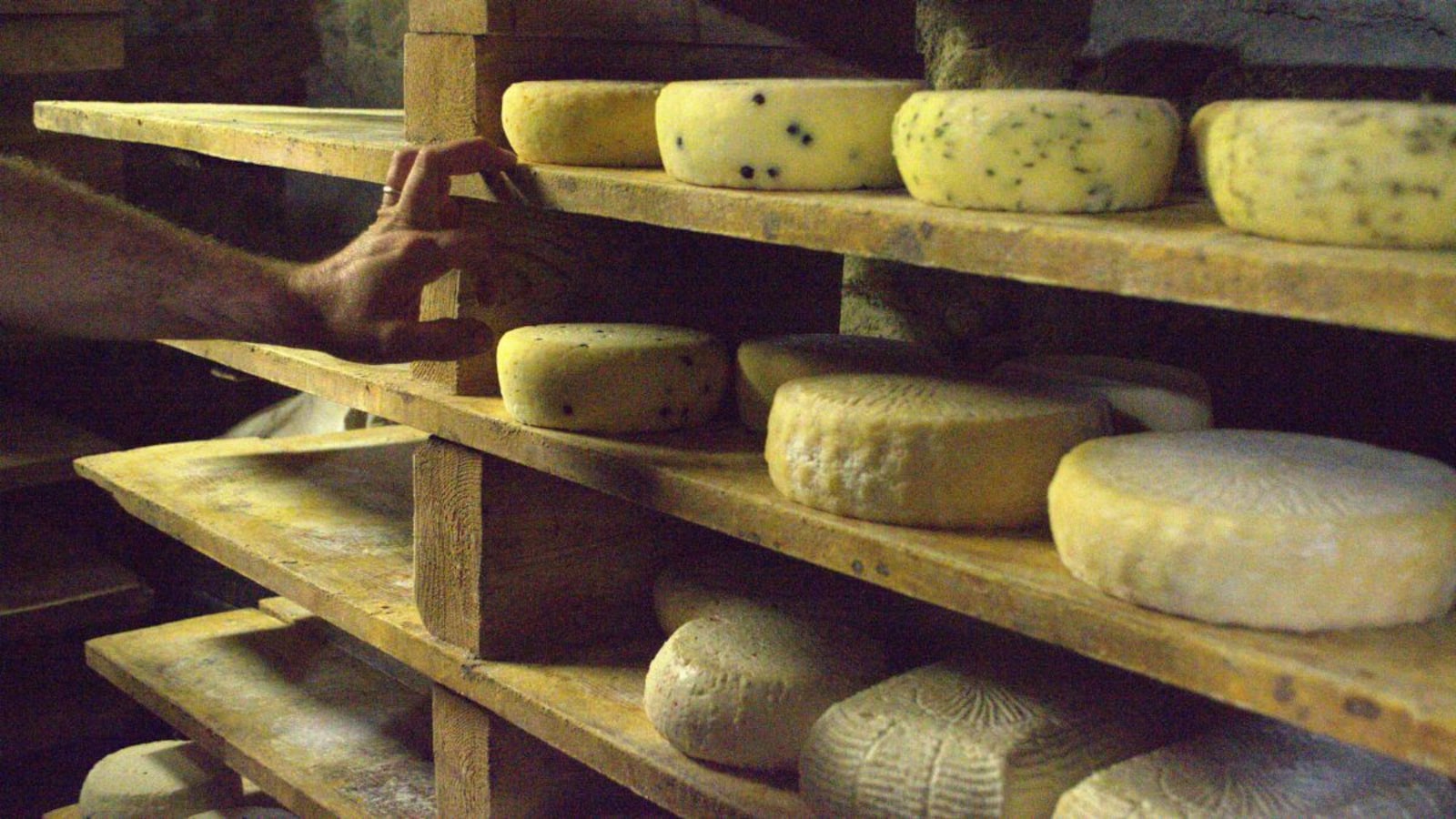
You pull out a block of cheese from the fridge, ready to make a sandwich or grate some over your pasta. But then you notice a patch of green, white, or blue mould. Your first instinct might be to cut it off and carry on. But is that actually safe? The answer might surprise you, because not all mould is dangerous. In fact, some of the world’s most famous cheeses are deliberately made with mould. Without it, favourites like Brie and blue cheese simply wouldn’t exist. At the same time, mould growing on the wrong type of cheese can be a sign that it’s no longer safe to eat.
Which Mould Is Fine, And Which Isn’t?
Mould is a type of fungus that grows naturally in the environment and loves damp places, which is why it often appears on food that has been stored for a while. It reproduces by releasing tiny spores that float through the air and settle on different surfaces.
On cheese, mould can appear in many colours, including white, blue, green, black, grey, pink, and even orange. The most important thing is whether that mould was intentionally added during cheesemaking or appeared later by accident. That’s what determines whether it’s safe or not.
The Good Mould
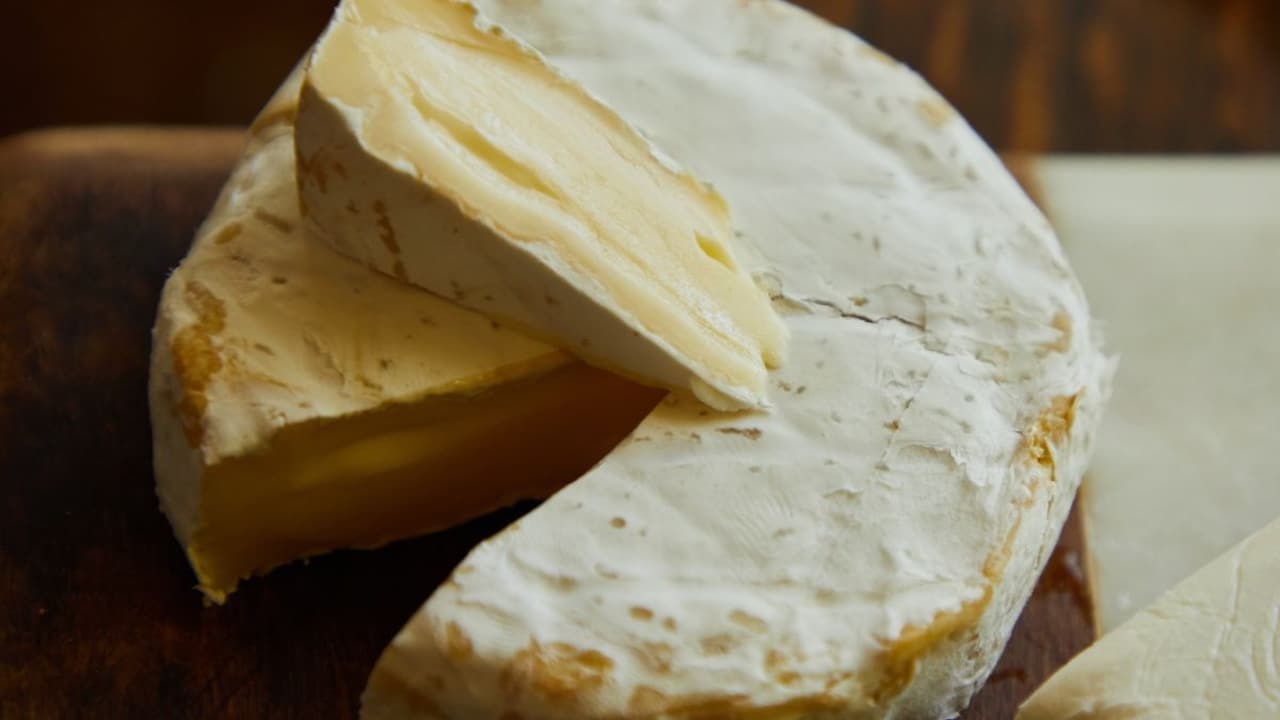
Photo Credit: Pexels
Believe it or not, some cheeses are carefully aged with special mould cultures. These moulds are completely safe to eat and are responsible for the cheese’s flavour, aroma, and texture. Ever seen blue or green veins running through a piece of blue cheese? That’s exactly how it’s supposed to look. Cheeses like Roquefort, Gorgonzola, Stilton, and Danish Blue are made using a special mould called Penicillium roqueforti.
Also Read: What Happens If You Knead Dough With Milk?
Have you ever wondered why Brie has a fluffy white coating? That soft white rind is actually another beneficial mould called Penicillium camemberti. Many speciality cheeses also develop natural white, grey, or orange rinds during ageing. These are carefully controlled by cheesemakers and are perfectly safe to eat.
The Bad Mould
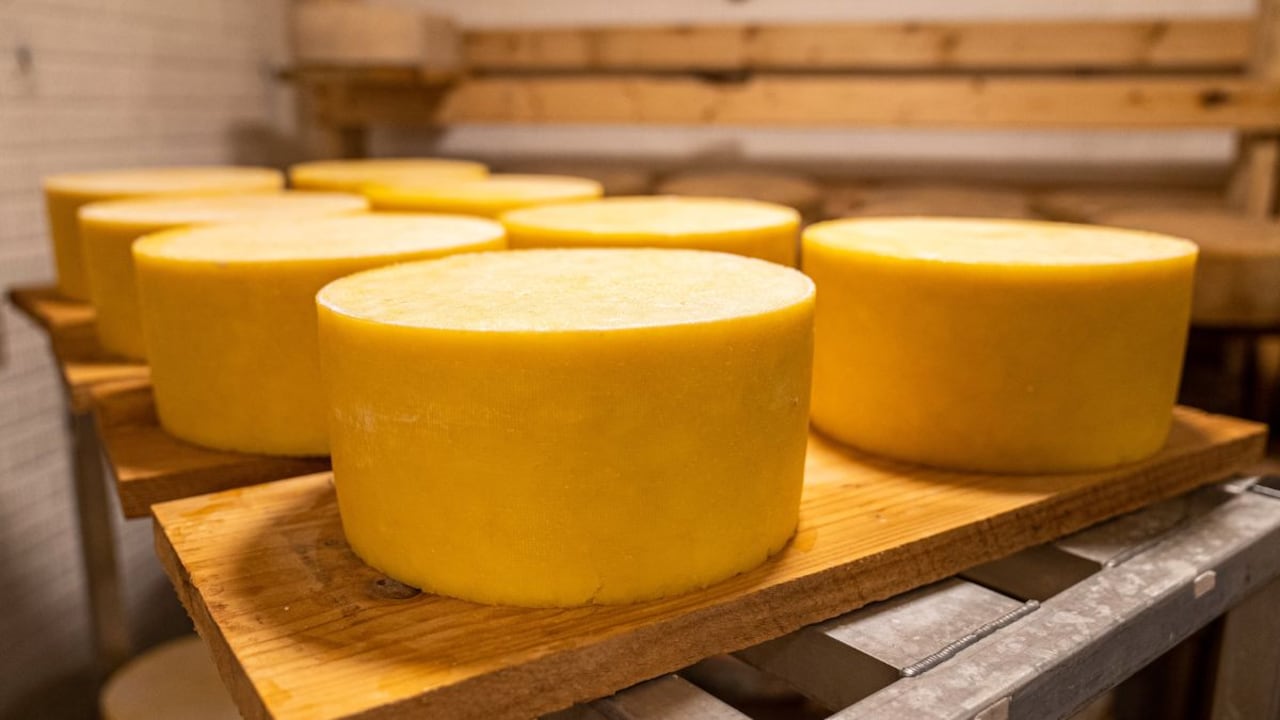
Photo Credit: Pexels
If a cheese that isn’t supposed to have mould suddenly develops fuzzy patches, something has gone wrong. These moulds are not part of the cheesemaking process. They usually appear because the cheese has been stored for too long or has been exposed to moisture, air, or contamination.
Sometimes these moulds are harmless, but some can carry harmful bacteria or produce substances called mycotoxins, which may cause food poisoning. That’s why it’s important not to ignore unexpected mould.
Can You Simply Cut Off The Mould?
The answer depends entirely on the type of cheese.
Also Read: 5 Common Desi Ghee Storage Mistakes You Should Avoid
Hard Cheese: Usually Yes
Hard cheeses are dense and contain very little moisture. This makes it difficult for mould to spread deep inside. So, if you spot mould on cheeses like cheddar, parmesan,, gruyère, Swiss cheese, or pecorino, you can usually save the cheese.
Simply cut away the mould along with at least one inch around it and underneath it. Use a clean knife and make sure it doesn’t touch the mould before cutting the clean portion. The rest of the cheese is generally safe to eat.
Soft Cheese: Usually No
Soft cheeses are completely different. Because they contain much more moisture, mould can spread deep inside long before you can actually see it. That means even if the mould appears only on one small corner, tiny threads may already have reached the rest of the cheese.
If mould appears on cream cheese, ricotta, fresh mozzarella, burrata, or mascarpone, it’s safest to throw away the entire cheese. The same rule applies to sliced, shredded, or crumbled cheese because mould spreads easily between the pieces.
What If Mould Appears On Brie Or Blue Cheese?
Brie and blue cheese already contain safe mould. But that doesn’t mean every mould growing on them is safe. If your Brie develops black, pink, or green fuzzy patches or starts smelling rotten instead of earthy and creamy, it has probably spoilt. Similarly, if blue cheese develops mould that looks very different from its normal blue veins, it’s best not to eat it.
Finding mould on cheese doesn’t always mean it’s time to throw everything away. Some cheeses are famous because of their mould, while others become unsafe the moment unexpected mould appears.



