



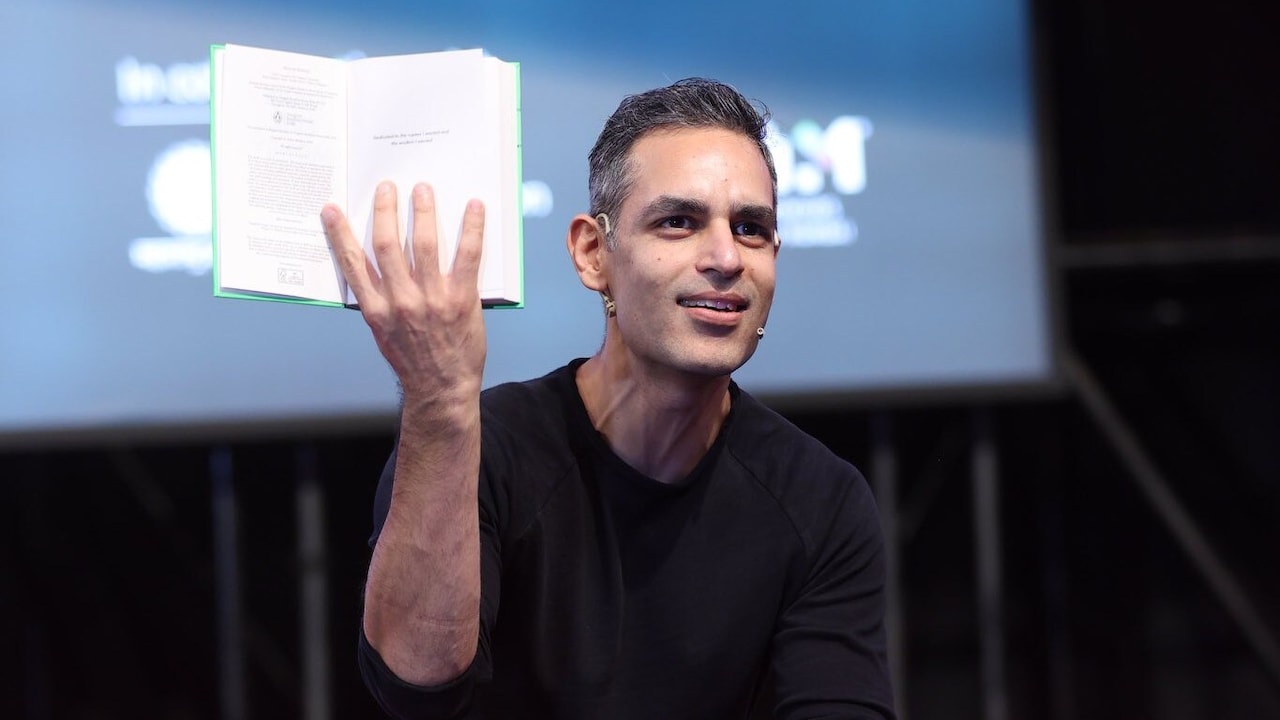
WhatsApp’s upcoming username-based communication feature, which will allow users to connect without sharing phone numbers, has raised concerns over possible misuse, with entrepreneur and content creator Ankur Warikoo cautioning that the move could open new avenues for impersonation scams unless robust safeguards are put in place.
Warikoo, who enjoys a significant social media following, said that in a country like India, the feature could pose serious risks if effective anti-abuse measures are not introduced.
ALSO READ | WhatsApp’s Telegram-Style Username Feature May Become Challenge For Investigators, Warns IPS Officer
He pointed out that scammers could potentially create usernames resembling those of public figures and use them to approach users with fraudulent financial apappeals.
“Imagine receiving a message from warikoo, awarikoo, ankurwarikooo, ankur_warikoo, a_warikoo, ankurwarikooofficial and so on, soliciting money,” Warikoo wrote on X, pointing out the risks of identity misuse.
He raised concerns that many users may not fully understand verification indicators, even if such systems are introduced on the platform.
In a country such as India, this could be a disaster, if the right anti-abuse systems are not set up by WhatsApp.
Imagine receiving a message from warikoo / awarikoo / ankurwarikooo / ankur_warikoo / a_warikoo / ankurwarikooofficial etc etc – soliciting money.
1. Most people… https://t.co/AaiH7F1szN
— Ankur Warikoo (@warikoo) June 30, 2026
He also noted that the privacy-focused nature of usernames could make it harder for people to confirm identities through phone number checks.
Warikoo’s comments come as WhatsApp, owned by Meta, recently announced introducing usernames as an alternative to phone-number-based communication, aiming to give users more privacy and control over sharing their contact details.
The creator also referred to his previous legal action against Meta over the alleged failure to remove AI-generated advertisements using his face to promote fraudulent investment groups on WhatsApp.
ALSO READ | Who Is Yousuf Imran? This Google Employee Earned Nearly $1 Million A Year—Then Resigned. Here’s Why
He said his experience with such scams showed how quickly impersonation-based fraud could spread.
While the username feature is expected to improve privacy, concerns around verification, fake identities and financial scams remain key challenges as the rollout progresses.
Essential Business Intelligence,
Sharp Market Insights,
Practical Personal Finance Advice, Daily Fuel, Gold and Silver Prices and Latest Stories — On NDTV Profit.



