
























Anthropic has launched Claude Sonnet 5, its latest AI model designed to handle more complex tasks while remaining affordable enough for widespread use.
Unlike many recent AI launches that focus purely on benchmark scores, Sonnet 5 is aimed at what the industry increasingly calls “AI agents” – systems that can carry out multi-step tasks with minimal human supervision. That means the model is designed not just to answer questions, but also to plan work, use software tools, browse the web, write code and complete longer workflows on its own.
What Is New?
Claude Sonnet 5 can make use of external tools such as web browsers and computer terminals. For example, instead of simply explaining how to perform a task, it can search for information, gather files, write code and execute parts of the workflow itself where permissions allow.
“It can make plans, use tools like browsers and terminals, and run autonomously at a level that, just a few months ago, required larger and more expensive models,” Anthropic said in an official blog post.
Anthropic says the model also performs better in coding, software engineering, data analysis and professional knowledge work than its predecessor.
Built For Businesses As Well As Consumers
The launch reflects a broader shift taking place across the AI industry. Until recently, most AI chatbots worked like advanced search engines, responding to one prompt at a time. Companies are now racing to build AI systems that can independently complete tasks over several minutes or even hours.
Anthropic believes Sonnet 5 strikes a balance between capability and cost, making it suitable for businesses that want to automate repetitive work without paying for the company’s most expensive frontier models.
Claude Sonnet 5 is becoming the default model for users on Claude’s Free and Pro plans, while Team, Enterprise and API customers will also be able to access it. Developers can integrate the model into their own applications using Anthropic’s API.
Why This Matters
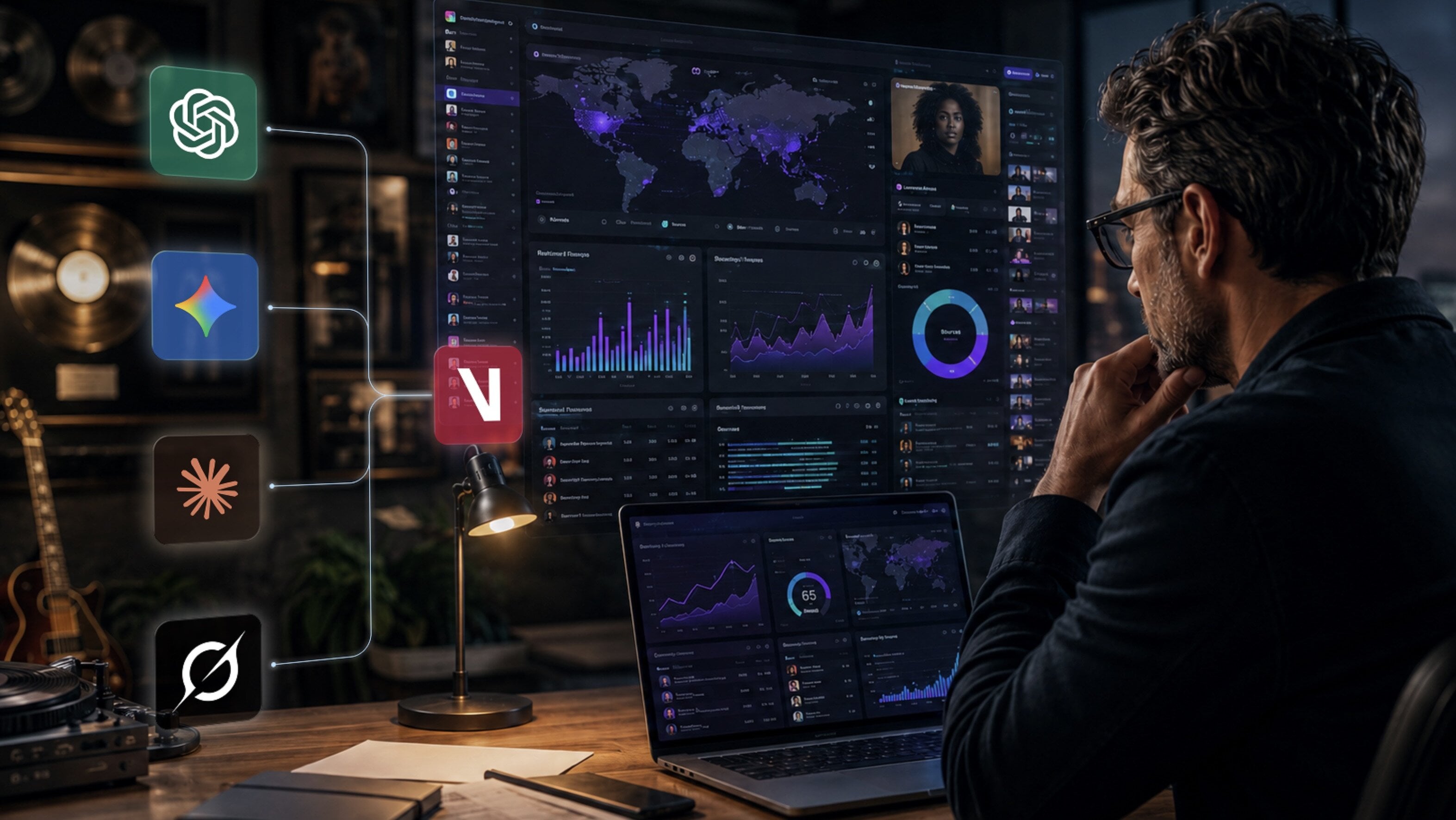
The launch comes at a time when competition among AI companies has intensified. OpenAI, Google, Anthropic and several Chinese AI firms are all moving beyond chatbots and towards AI agents capable of carrying out increasingly complex tasks. Instead of asking AI to answer a single question, users are expected to increasingly rely on these systems to research topics, analyse documents, write software, manage projects and complete workflows with limited human intervention.
For everyday users, the differences may not be immediately obvious. But over the coming months, AI assistants are expected to become less like conversational chatbots and more like digital coworkers capable of handling entire tasks from start to finish. Claude Sonnet 5 is Anthropic’s latest step in that direction.



