



Navigating a restaurant wine list can be an intimidating experience, whether faced with an extensive tome of hundreds of bottles or a concise selection filled with obscure, niche-sounding grape varieties.
For many, who don’t consider themselves wine connoisseurs, or simply desire an affordable, chilled glass, the default choice often becomes the house wine. Yet, even this seemingly straightforward decision comes with its own anxieties, transforming a simple order into a fraught moment.
The presence of a sommelier can heighten this apprehension, leading diners to question if ordering the house option appears unsophisticated or reveals a complete lack of wine knowledge. Katie Fecak, a wine educator and owner of Cellar Door Social, confirms this common sentiment: “No one likes to look cheap, do they?”

This discomfort frequently prompts patrons to opt for the second wine on the list instead, hoping to strike a balance between quality and perceived value. However, Fecak reveals this is a calculated move by establishments. “But restaurants know people don’t want to look cheap, so the highest mark-up is normally on the second wine.”
So what else do you need to know when it comes to house wine?
A proper house wine will likely be branded
Some restaurants and hotels work with vineyards to produce their own, specific, branded house wine that you can often buy to take home. “It is a very good idea,” says Rémi Cousin, head sommelier at Wild in Hertfordshire, who was head sommelier at Michel Roux Jnr’s two-Michelin starred restaurant, Le Gavroche. “However, if restaurants are doing house wine just for the fact of having house wine, and your staff are not trained, they don’t taste the wine, they don’t know what they’re talking about, if they don’t know the location, the grapes, then it doesn’t make sense. If it’s just to have a cheap wine without quality control, it is letting down the establishment.”
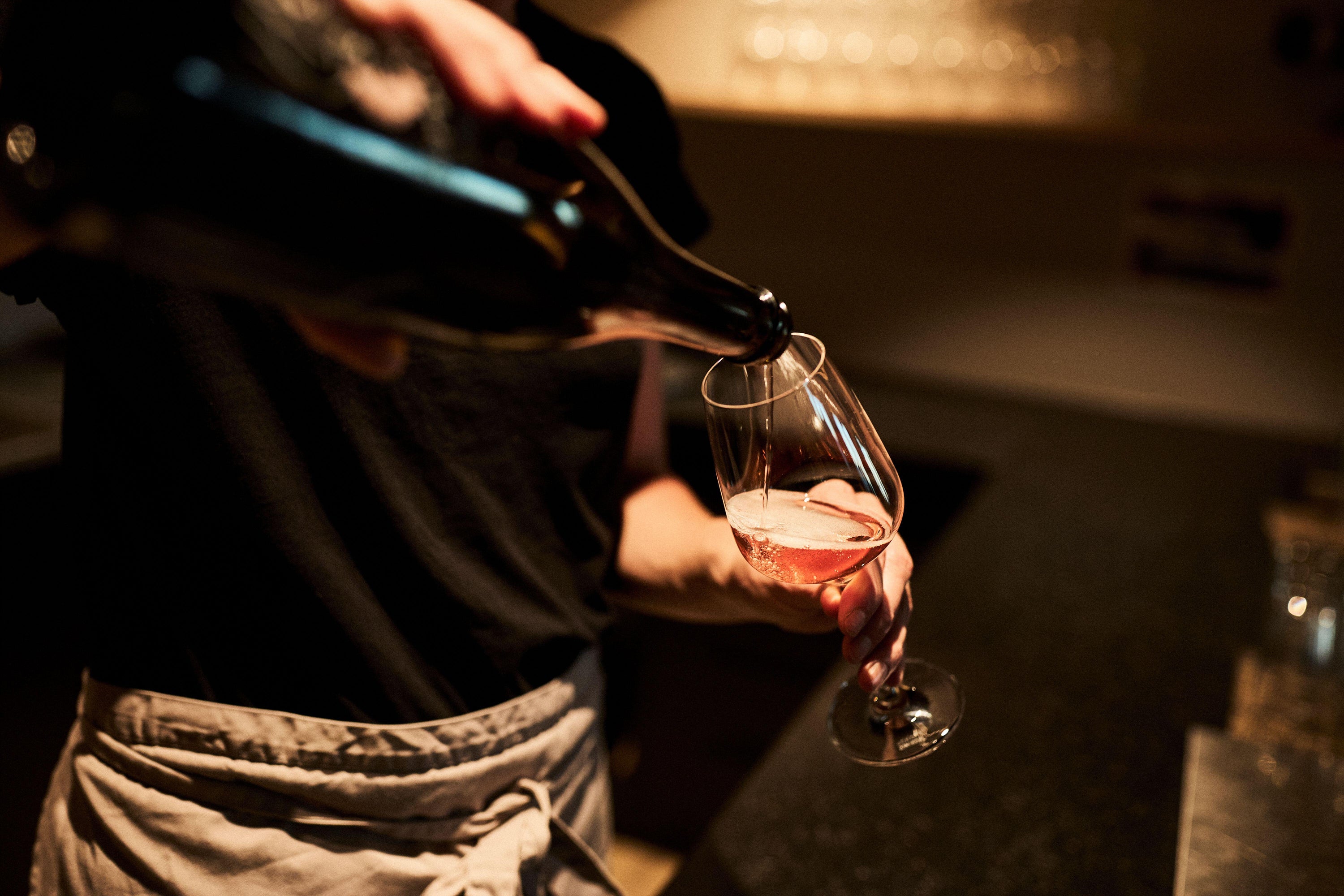
Ideally a restaurant will have more than a house white and red
At joints that do have their own specific, branded house wines, check they have options across the board. “I believe we have to extend it to champagne, white, red, rosé, and sweet wine,” says Cousin. “I don’t think it is fair to do just white or just red and nothing else.”
Asking for the ‘house’ is synonymous with ‘the cheapest’
But that doesn’t mean it isn’t good value, or a good choice. “A house wine will normally offer the best value and affordability, because it usually is the cheapest option,” says Fecak. As a result, restaurants “know people are going to buy a lot of it, so it’s going to be a real crowd-pleaser. It’s normally from a lesser-known region as well, so you’re also getting a bit more value for money.”
“With house wine, usually you have a little bit more quantity available, which gives you a little bit more flexibility, better value for money, without compromising on the quality,” agrees Cousin. “If someone asks for house wine, I will go with the cheapest wine. We don’t have our own house wine at Wild, but our cheapest wine is already a very good quality.”
The restaurant should be proud of it
“House wine can feel like a bit of a gamble, but actually, teams at boutique, independent restaurants would have tried many, many wines to find their favourite,” says Fecak. “That’s their pride, they’re really putting themselves on show with their house wine.”
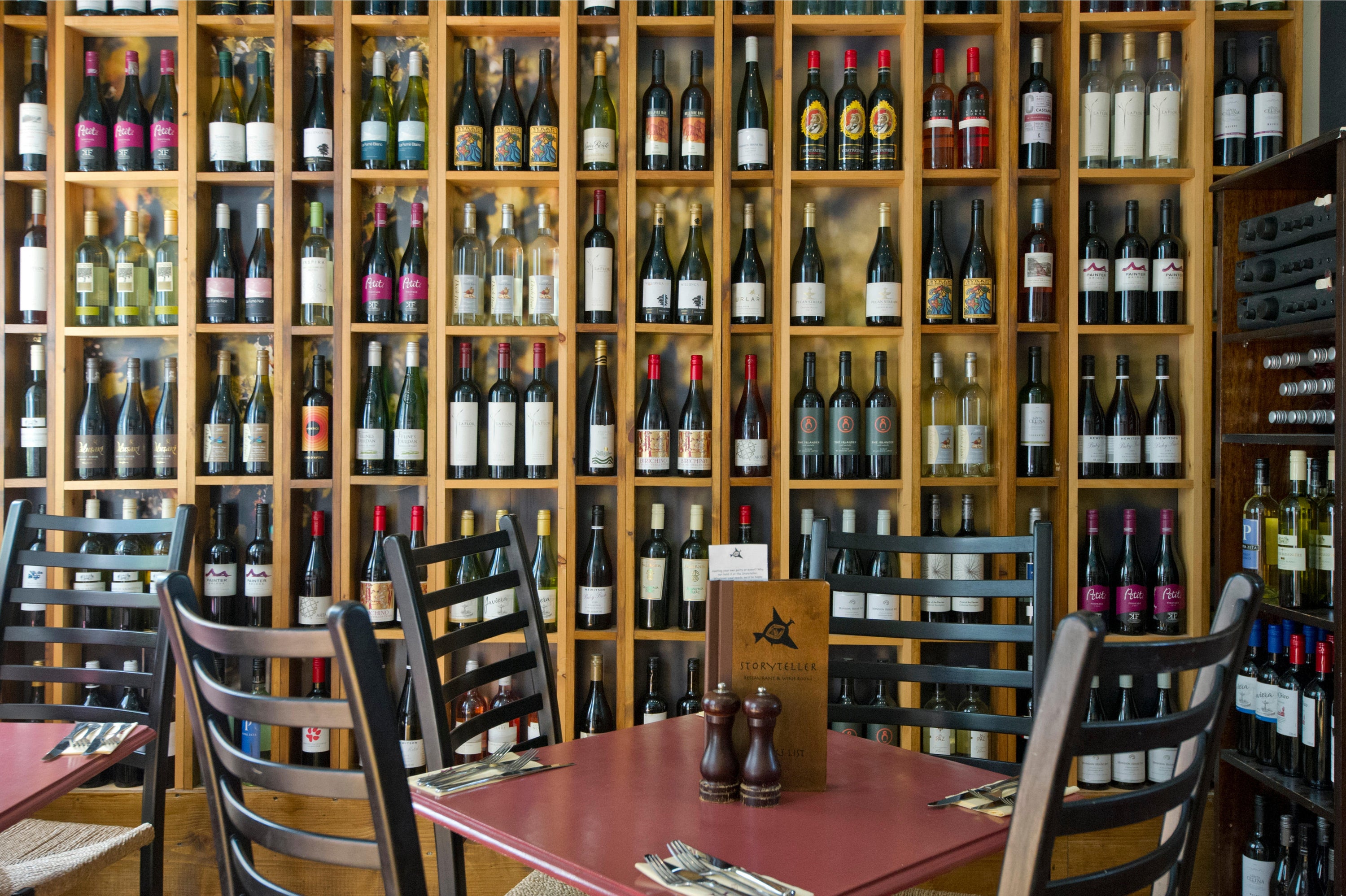
Often, “it will be a hidden gem. Sommeliers are complete wine nerds, and that’s basically their neck on the line. They’ve chosen the one that’s going to make the restaurant the most money. There tends to be a 300% markup on wine in the UK, it’s a big deal and a big weight on a sommelier’s shoulders, so they need to pick a house wine they can root for.”
Make sure there’s a grape listed
“If all it says is ‘house red’ or ‘house white’, I would run a mile,” says Fecak. “You want it really to include at least the grape variety and the vintage, that’s a sign that the restaurant actually cares about what they’re putting on their menu, and it’s not the bottom-of-the-barrel wine.”
It might be fresher
House wine, because it’s such a crowd pleaser, “usually has the highest turnover, more people are ordering it, so you’re going to be getting a fresher glass,” notes Fecak. “If you’re ordering a more expensive glass, that bottle could have been open for a few days already at the back of the fridge. [With house] you’re less likely to be drinking an oxidised glass that was opened last Tuesday.”

It might not fully match your meal
For foodies, “the disadvantage is, the house wine won’t be significantly paired to the meal you’ve chosen,” says Fecak, who adds that restaurants, “normally select a house wine for a wide range of palates and a broad spectrum of what’s on the menu”.
Will wine experts order the house?
“I have no shame in ordering the house,” says Fecak, but Cousin hedges his bets slightly… “It all depends. That’s the problem with a sommelier, we always say it depends! When I started at Le Gavroche, the house champagne was A.R. Lenoble, which I know, and when I saw that, I was like, ‘Wow, that’s a very good quality’. So, of course, I tasted straightaway.”
.jpeg)
Usually though, he’ll consider the mood of the meal. If it’s sharing plates with friends, he’ll pick the wine based on what will go with the dishes selected; if he’s out for dinner or lunch and he’s picked the place, he’ll order the best-value wine (whatever the price) and be “guided by that”.
Always chat to the sommelier (if there is one) about what’s available
“The sommelier is there to help you,” says Fecak. “They will point you in the right direction based on your price point.”
“You’ll obviously get a more interesting wine if you ordered something that isn’t the house wine,” she adds. “[But] if you’re there just to have an easy drinking, easy flowing, nice evening, go for the house.”



