


Wayanad:
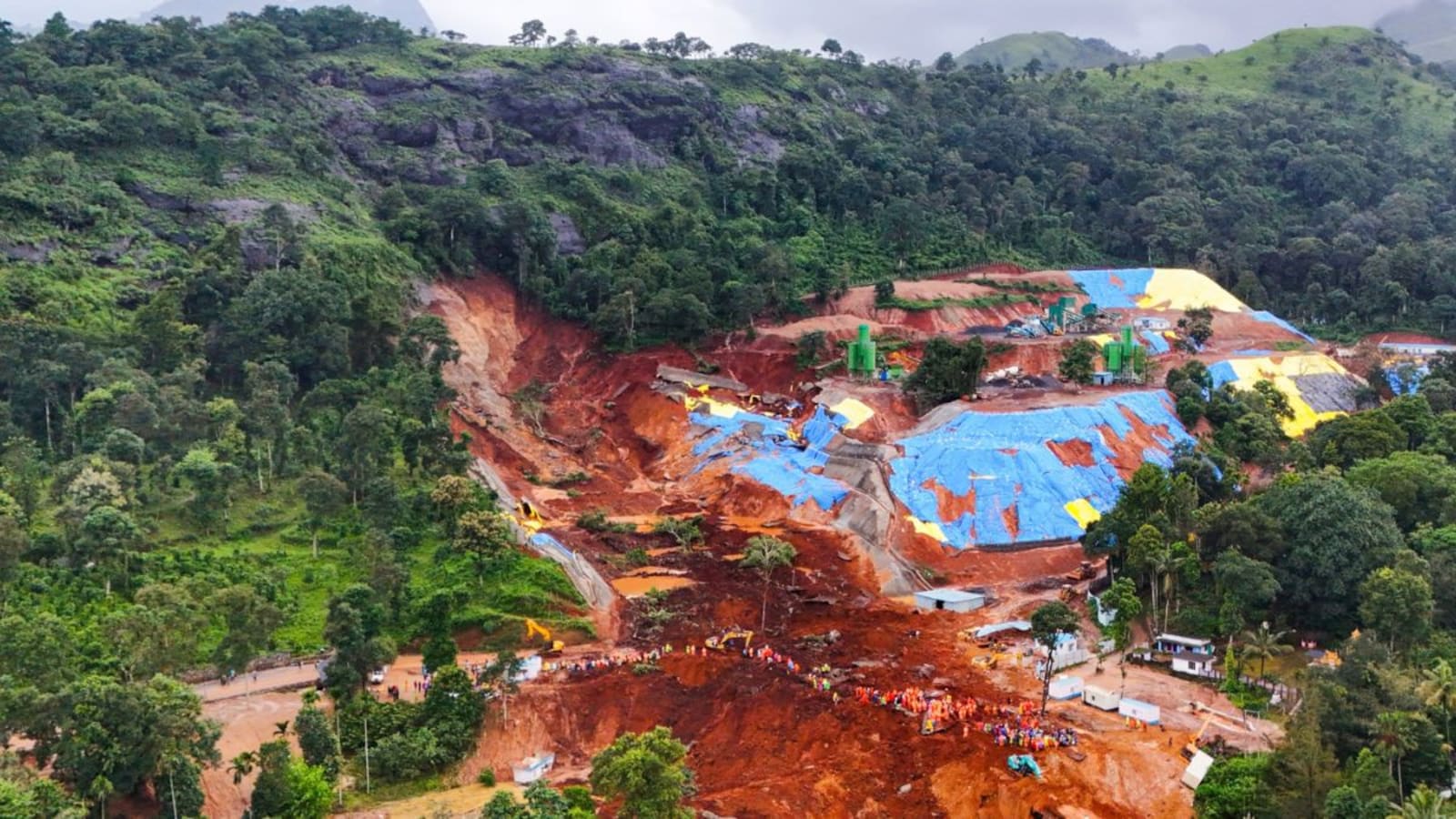
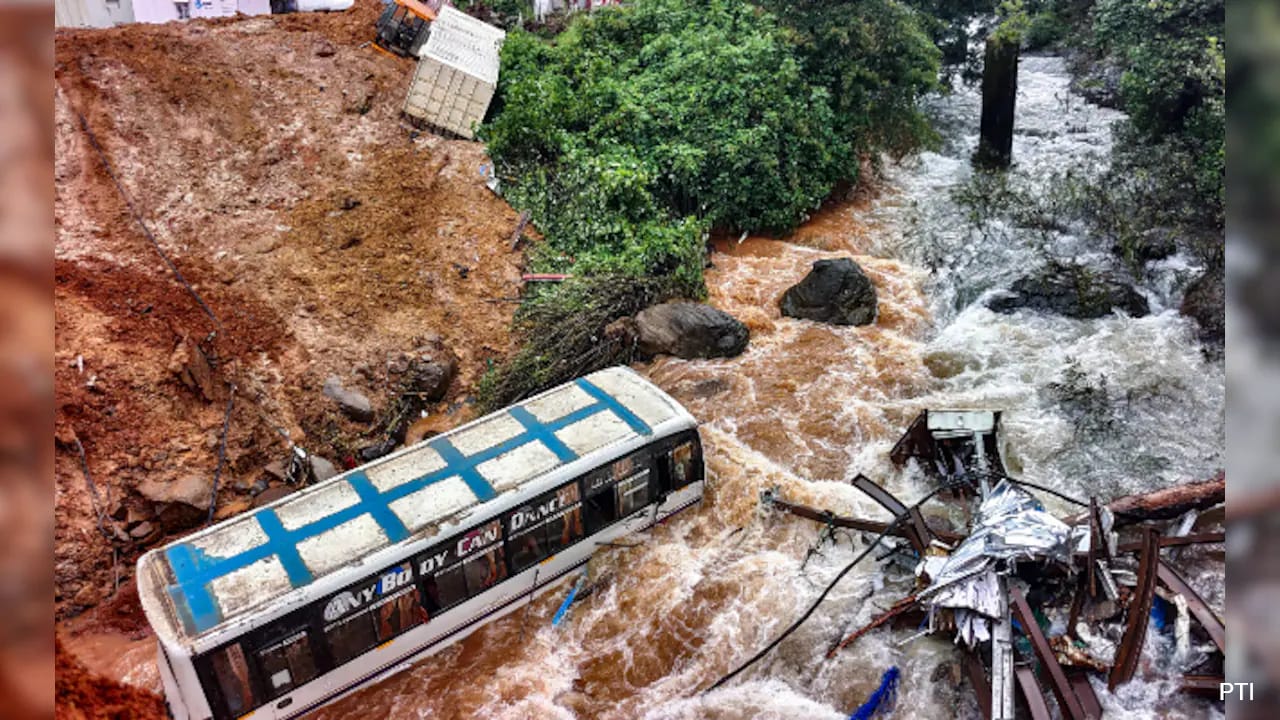
The landslide that ripped through the Anakkampoyil-Kalladi-Meppadi twin tunnel project in Wayanad, killing at least three people and leaving five others missing, was preceded by repeated official warnings, written government directions, and documented concerns over safety at the site.
An NDTV investigation, based on government records, official meeting minutes and technical assessments by experts associated with the State Environment Impact Assessment Authority (SEIAA), indicates that the risks had been flagged weeks before the collapse.
At the centre of the concerns is the handling of excavated tunnel debris, or muck, and the stabilisation methods adopted at the construction site.
According to Dr Jude Immanuel, an expert associated with the State Environment Impact Assessment Authority, the contractor’s latest environmental compliance report, submitted only last month, failed to address several critical issues.
Speaking to NDTV, Dr Immanuel said the greatest danger may remain at the site.
“The landslide occurred at the shotcreted slope. The much larger threat is the massive mound of excavated laterite soil stored nearby under a tarpaulin. Had that collapsed, the scale of the disaster could have been far worse,” he said.
He warned that thousands of tonnes of excavated soil continue to remain piled up in what he described as an unscientific manner, posing an ongoing risk during the monsoon.
Also read: Why Wayanad’s Deadly Landslide Was More Than A Natural Disaster
Warnings Began Weeks Before The Collapse
Official records show authorities had repeatedly warned the contractor.
On June 20, following a minor mudslide at the site, Wayanad District Collector Meghashree DR directed that construction work be halted until the accumulated excavated soil was removed.
The Kerala State Disaster Management Authority issued a similar direction the very same day, asking the contractor to clear the unstable muck immediately.
Five days later, on June 25, the Public Works Department convened a review meeting exclusively to assess the risk at the tunnel site.
Minutes of that meeting show officials warned of a possible monsoon-related disaster and instructed the contractor to take urgent preventive measures.
Public Works Minister PK Basheer has since confirmed that repeated directions were issued to remove the accumulated soil.
Chief Minister VD Satheesan has also stated that the contractor failed to clear the excavated earth despite repeated instructions and described the incident as a “man-made disaster.”
Environmental Clearance Conditions Allegedly Violated
According to Dr Immanuel, the contractor was required to follow a legally binding Muck Management Plan that formed part of the project’s environmental clearance.
The plan mandates that excavated soil be stored in terraces protected by retaining walls between four and six metres high.
However, during inspection, only about one metre of retaining wall had been constructed, far below the prescribed requirement, he said.
Dr Immanuel also questioned the stabilisation method used near the tunnel portal.
His assessment found that the soil nailing installed to support the excavated slope extended only five to six metres and was anchored into soil rather than into bedrock, which lay an estimated 10 to 20 metres below.
He told NDTV that while such techniques may be suitable in regions with significantly lower annual rainfall, they are ill-suited for Kerala’s extremely high monsoon precipitation.
Experts Question Construction Method
Distinguished Architect Vivek PP, Governing Council member of the Avani Institute of Design, also questioned the engineering approach adopted at the site.
According to him, using shotcrete and shallow soil nailing in Wayanad’s fragile hill terrain was technically unsuitable.
He argued that reinforced cement concrete (RCC) would have provided significantly greater stability under such geological and rainfall conditions.
Vivek said the choice of construction method either reflected a poor understanding of the region’s terrain and rainfall characteristics or an attempt to reduce construction costs.
Contractor Rejects Responsibility
Dilip Buildcon has denied any negligence.
In an exclusive interaction with NDTV, General Manager Sebastian said the company had complied with all safety requirements and maintained that the landslide occurred on adjoining forest land rather than within the company’s area of responsibility.
He showed NDTV photographs and videos, arguing they demonstrated that the tunnel portal had been properly shotcreted and that the company had followed engineering procedures.
Also read: 5 Dead In Landslide At Tunnel Project Site In Kerala’s Wayanad After Rain
Danger May Not Be Over
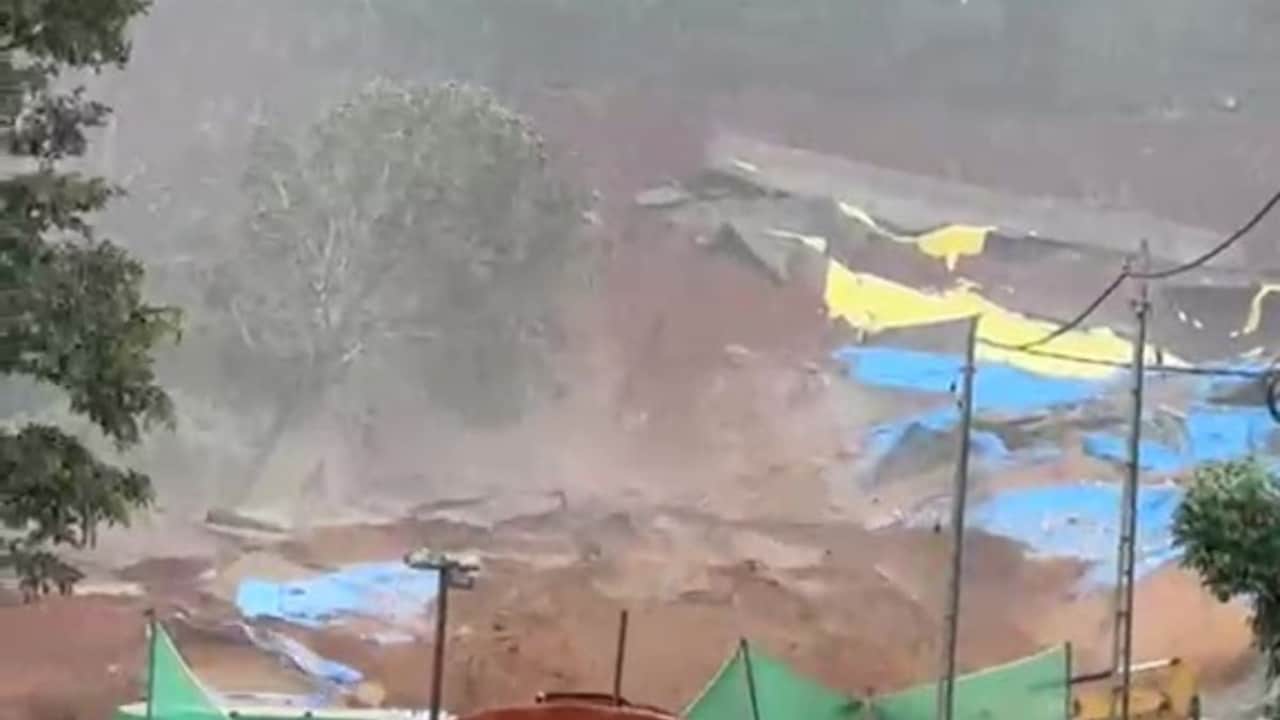
Experts say the collapse occurred on the shotcreted slope and not on the much larger muck disposal mound, despite repeated official concerns focusing primarily on the accumulated excavated soil.
They warn that the enormous volume of muck, still lying under blue tarpaulin sheets near the project site, continues to pose a serious risk if heavy rainfall persists.
Chief Minister VD Satheesan has announced that construction at the tunnel project will remain suspended until investigations are completed and compliance with safety and environmental norms is verified.
But experts caution that irrespective of whether construction resumes, the immediate concern remains the scientifically unmanaged mound of excavated soil.
According to them, unless the Muck Management Plan mandated under the environmental clearance issued by the Ministry of Environment, Forest and Climate Change is fully implemented, the possibility of another major slope failure cannot be ruled out.



