



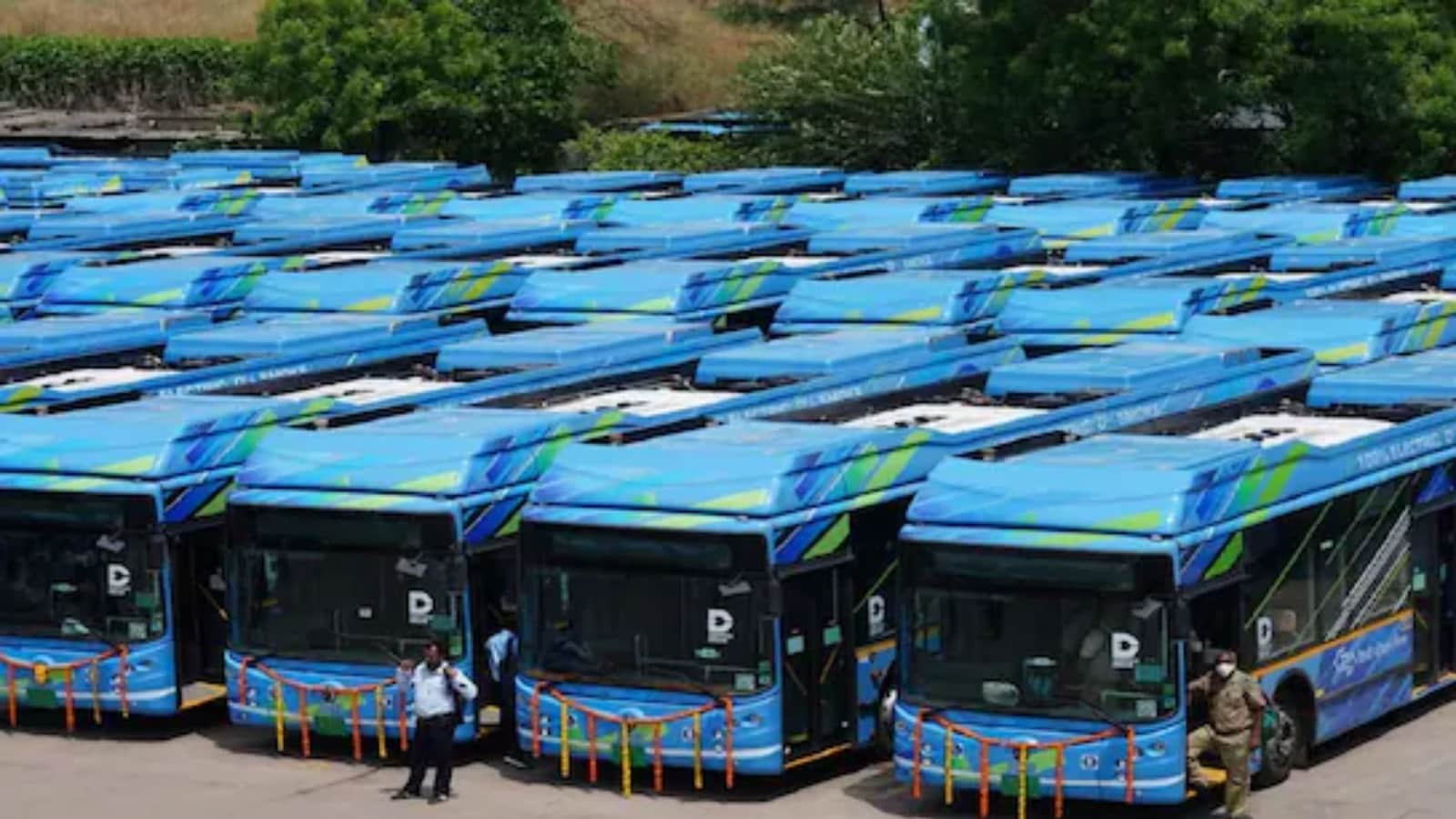




















More than 140,000 motorists have benefited from a government scheme designed to reduce the cost of electric vehicles (EVs) in its first year, the Department for Transport (DfT) has revealed.
The Electric Car Grant, launched on 16 July last year with £2 billion in funding, offers discounts of either £1,500 or £3,750 on new EV purchases, determined by sustainability criteria.
The DfT stated the initiative addresses “one of the biggest barriers to drivers going electric: the upfront cost.”
This comes as recent data from online vehicle marketplace Autotrader indicates that new electric cars are now more affordable than comparable petrol models.
Furthermore, figures from the Society of Motor Manufacturers and Traders show a significant 35 per cent rise in registrations of pure battery electric new cars in June compared to the same period last year.
Their market share rose from nearly 25 per cent a year ago to 30 per cent.
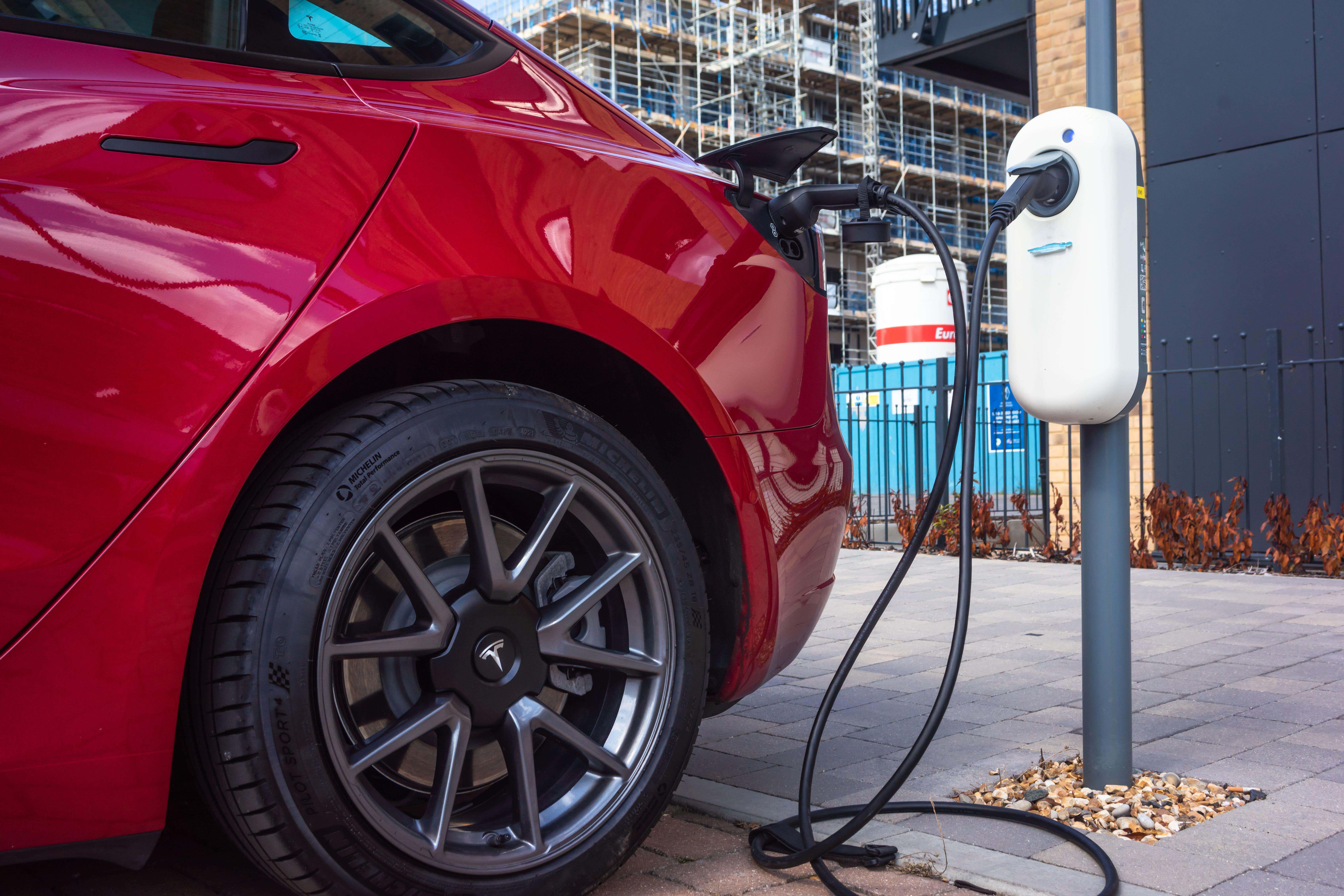
Decarbonisation minister Keir Mather said demand for EVs is “stronger than ever and only going in one direction”.
He continued: “We’ve made it easier and cheaper than ever before to go electric, and with (annual) savings of up to £1,400 on running costs there’s never been a better time to make the switch, especially against the backdrop of global fuel price fluctuations.”
RAC head of policy Simon Williams hailed the grant for making “such a positive difference to EV sales in its first year”.
He went on: “The high upfront cost of a new EV has long been the biggest obstacle in the way of wider adoption.
“With 58 models now qualifying for the discount, drivers have more choice than ever at varying price points.”
It comes as the government has confirmed a new pay-per-mile scheme for electric vehicles is set to be introduced in April 2028.
Under the new system, drivers of fully electric cars will face a charge of 3p per mile, while owners of plug-in hybrid models will pay a reduced rate of 1.5p per mile.
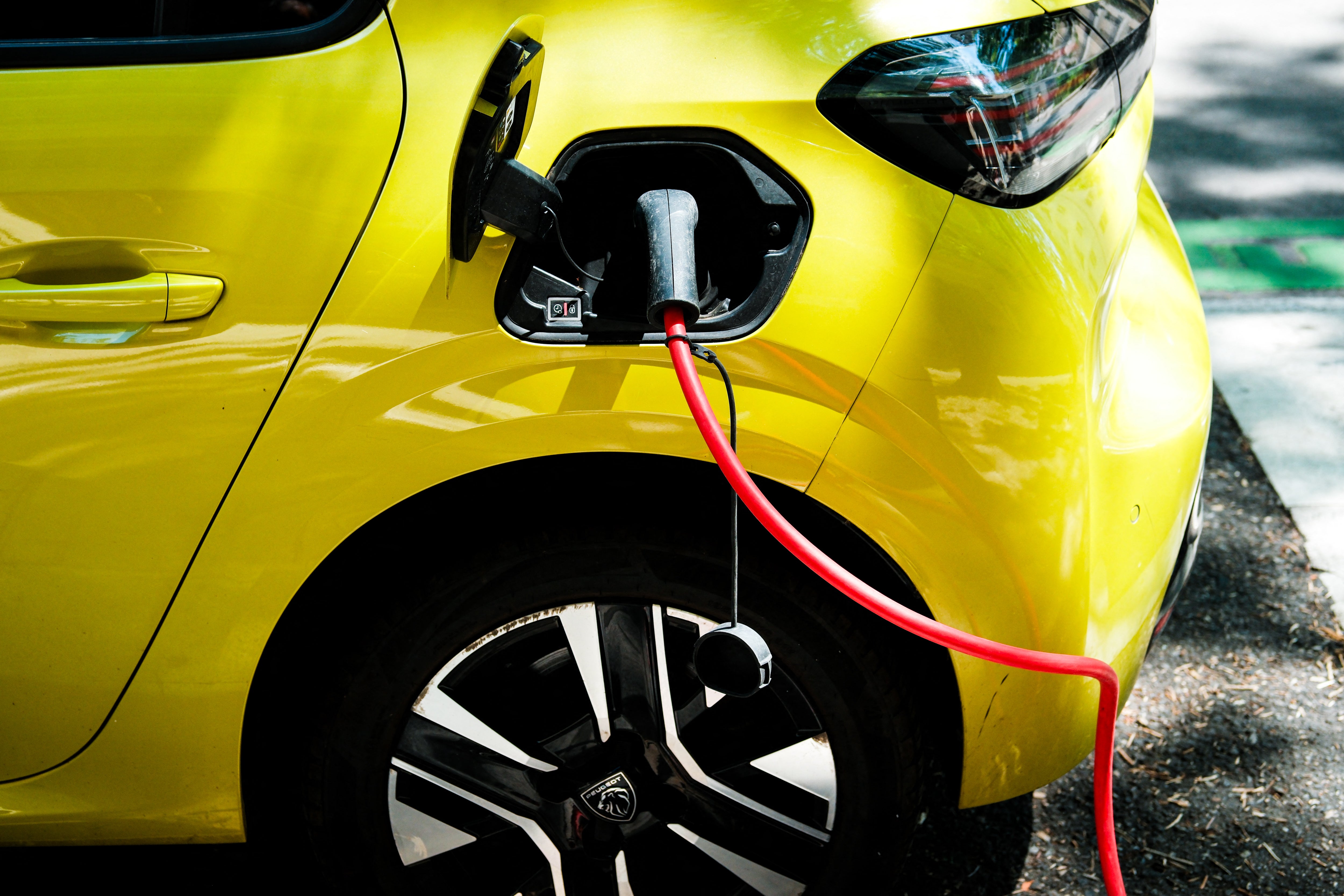
Both figures remain below the 6p per mile currently paid by drivers of petrol and diesel vehicles through fuel duty.
The Government states that the new eVED system will operate by calculating an upfront charge based on estimated driver mileage. Motorists will have the option to spread this cost through monthly payments, mirroring the existing Vehicle Excise Duty (VED) structure.
At the end of each year, drivers will be required to submit their actual mileage reading. This will be cross-referenced with a mileage reading taken during the car’s annual MOT, or for newer vehicles, around their second or third registration anniversary.
Any outstanding balance will then be settled, or drivers can opt to spread the cost over the subsequent 12-month period.

.jpeg?trim=0,0,0,0&width=1200&height=800&crop=1200:800 "British tourists warned over spike in deadly mosquito viruses in holiday hotspots")


