


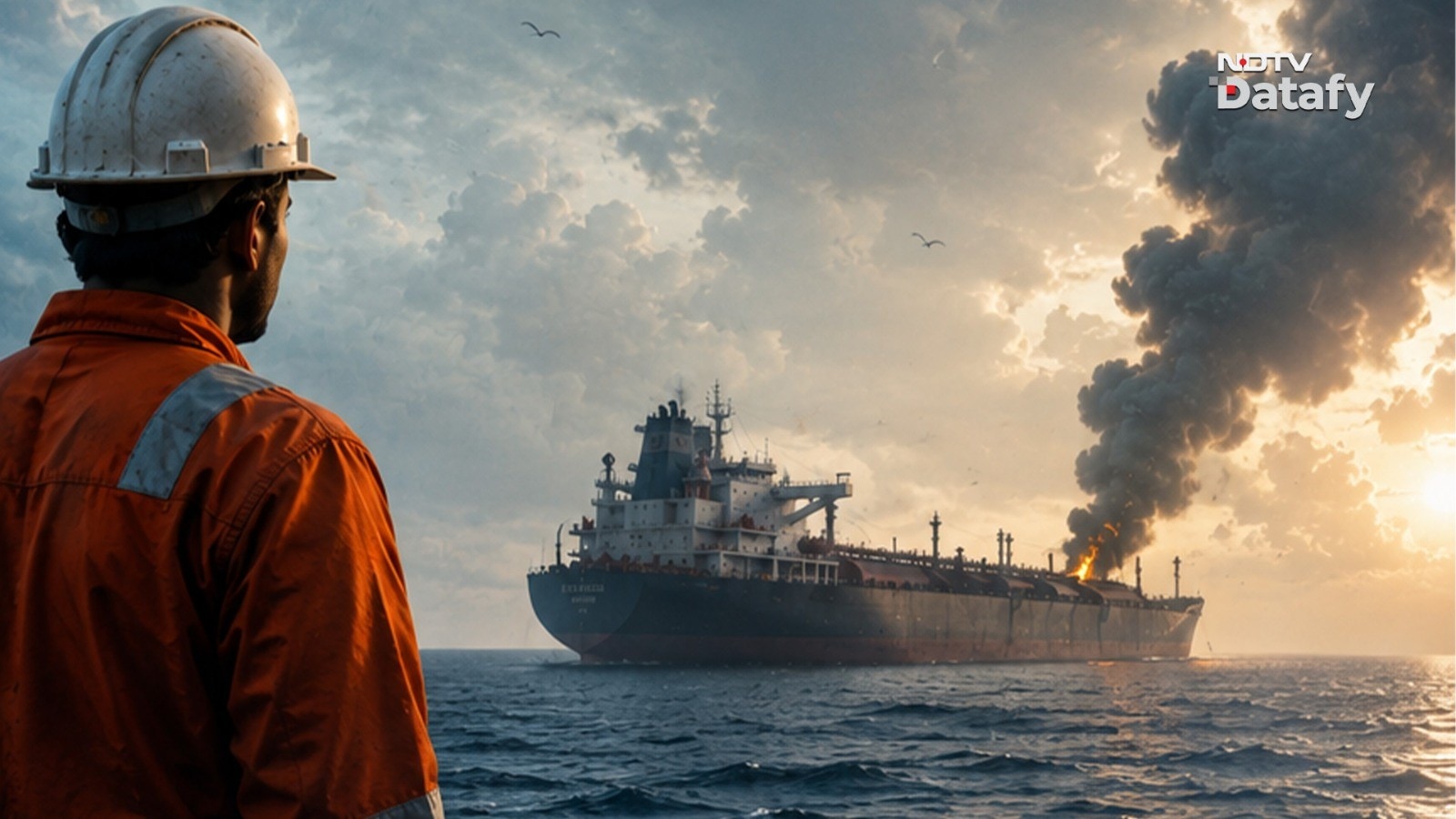
India supplies around 12 per cent of the global seafaring workforce, but Indian crew members have borne a far greater share of the recent dangers at sea.
Take the example of seafarers killed during the shipping crisis in the Strait of Hormuz. According to an analysis by NDTV Datafy, the majority of seafarers killed in attacks on commercial ships appear to be Indians.
Indians accounted for seven of the 16 seafarers – nearly 44 per cent – killed in attacks on commercial vessels during the Strait of Hormuz crisis between March 1 and July 14, 2026.
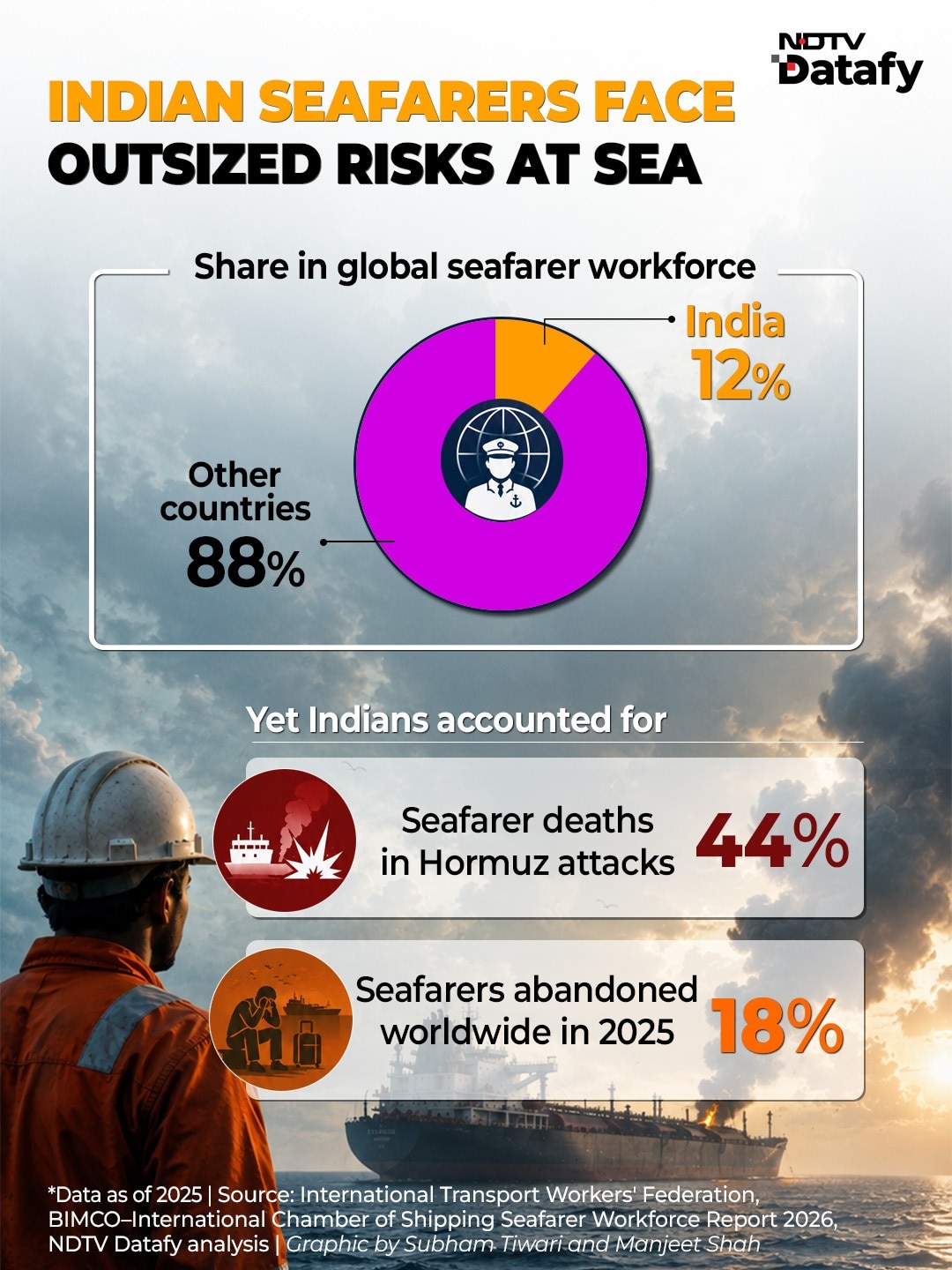
The vulnerability extends beyond conflict zones. In 2025, Indians constituted 18 per cent of all seafarers abandoned by shipowners worldwide, making them the worst-affected nationality for the second consecutive year.
Prime Casualty: Indians
At least 16 seafarers were killed in US and Iranian attacks on commercial vessels between March 1 and July 14, an NDTV Datafy analysis of information from the United Kingdom Maritime Trade Operations, the International Maritime Organisation and media reports found.
Seven of those killed were Indian nationals.
NDTV Datafy: Majority Of Sailors Killed In Hormuz Attacks Were Indians pic.twitter.com/7A13vFiS6N
— NDTV World (@NDTVWorld) July 15, 2026
Three Indian seafarers were killed in attacks by American forces on oil tankers MT Marivex, MT Settebello, and MT Jalveer between June 8 and June 11. Four others were killed in attacks believed to have been carried out by Iran.
The first Indian fatality was recorded on March 1, a day after the war began. An Indian crew member aboard the Marshall Islands-flagged tanker MKD Vyom was killed when the vessel was struck off the coast of Oman.
The attacks also placed hundreds of other Indian crew members in danger. More than 180 Indian seafarers were rescued after their vessels came under attack in the Strait of Hormuz, the Persian Gulf and the Gulf of Oman.
Among the vessels hit was the Indian cargo ship Haji Ali, which was attacked on May 13 while crossing the Strait of Hormuz through the southern route. The ship caught fire and later sank off Oman.
Abandoned By Ship Owners
For Indian seafarers, the risks are not confined to missiles and maritime conflict. They also face abandonment by shipowners, often leaving them stranded at foreign ports without wages, supplies or a means of returning home.
Under the Maritime Labour Convention, a seafarer is considered abandoned if the shipowner fails to repatriate them, provide essential support, or pay wages for at least two months.
Indians were the nationality most affected by abandonment in both 2024 and 2025, according to the International Transport Workers’ Federation.
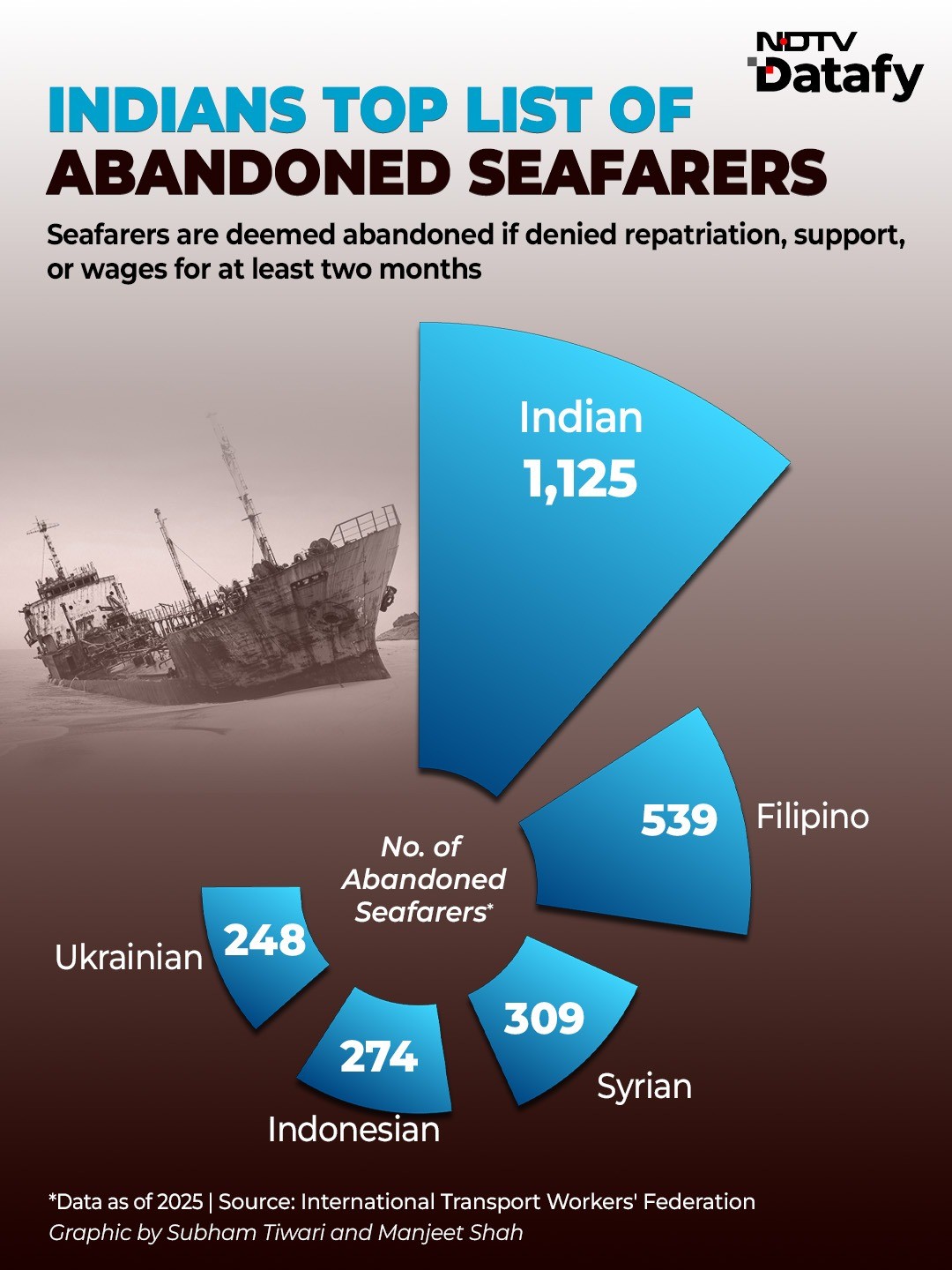
In 2025, 1,125 Indian seafarers were abandoned, accounting for approximately 18% of the 6,223 seafarers abandoned worldwide. Filipinos were the second-most affected group, with 539 abandoned seafarers, followed by Syrians at 309.
The joint IMO-ILO abandonment database currently lists 121 unresolved cases involving Indian seafarers.
As of July 15, the ITF database lists 121 unresolved cases of abandonment affecting Indian seafarers.
India’s Maritime Ambitions
With a vast shoreline and young workforce, India aspires to emerge as a leading maritime player.
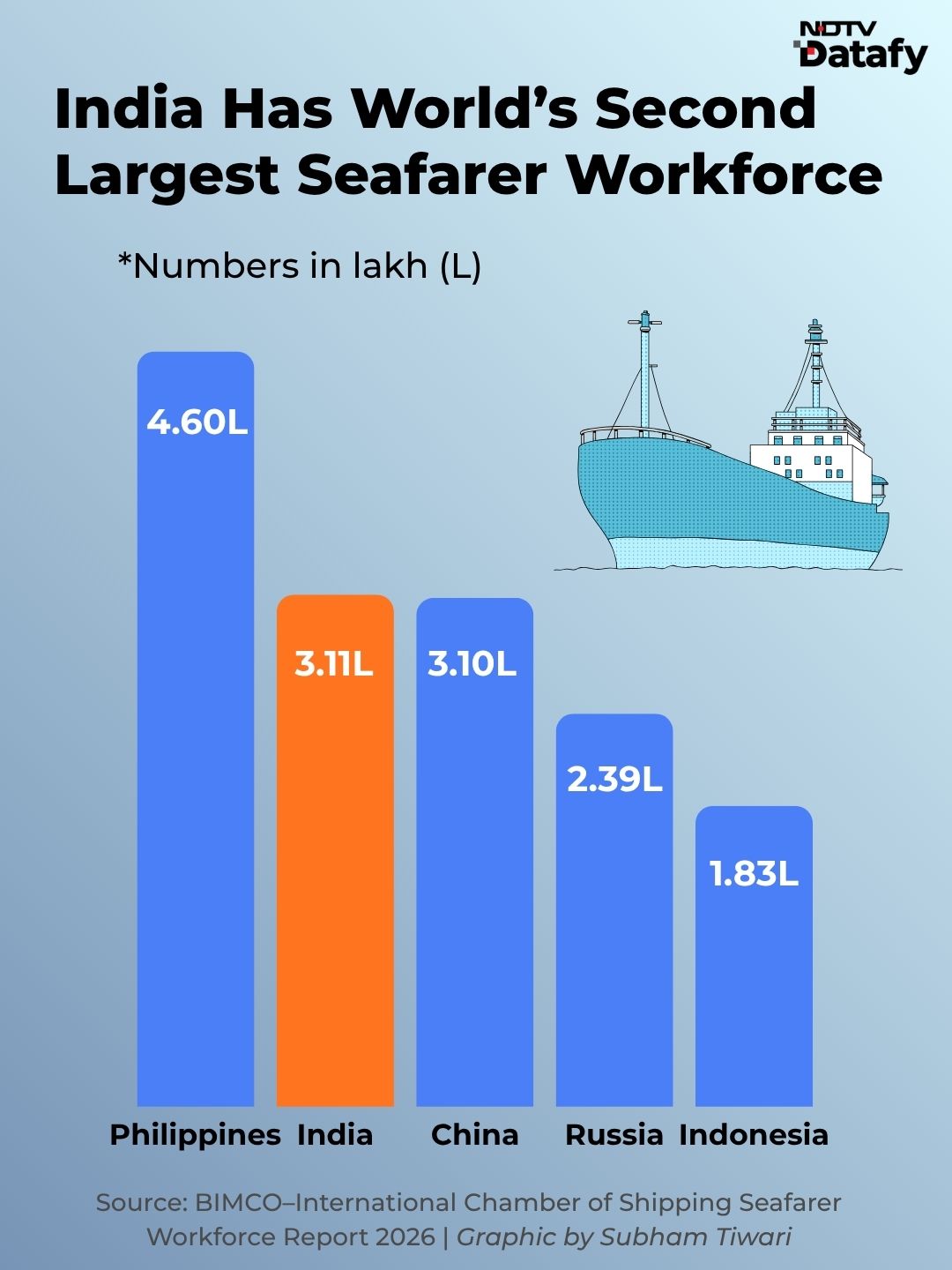
According to a recent survey, Indians account for around 12 per cent of the global seafarer workforce. The India Maritime Vision aims to take this figure to 20 per cent in the next four years. But the disproportionate risk to Indian sailors poses a challenge that the government needs to address to ensure the safety of Indians at sea.



