


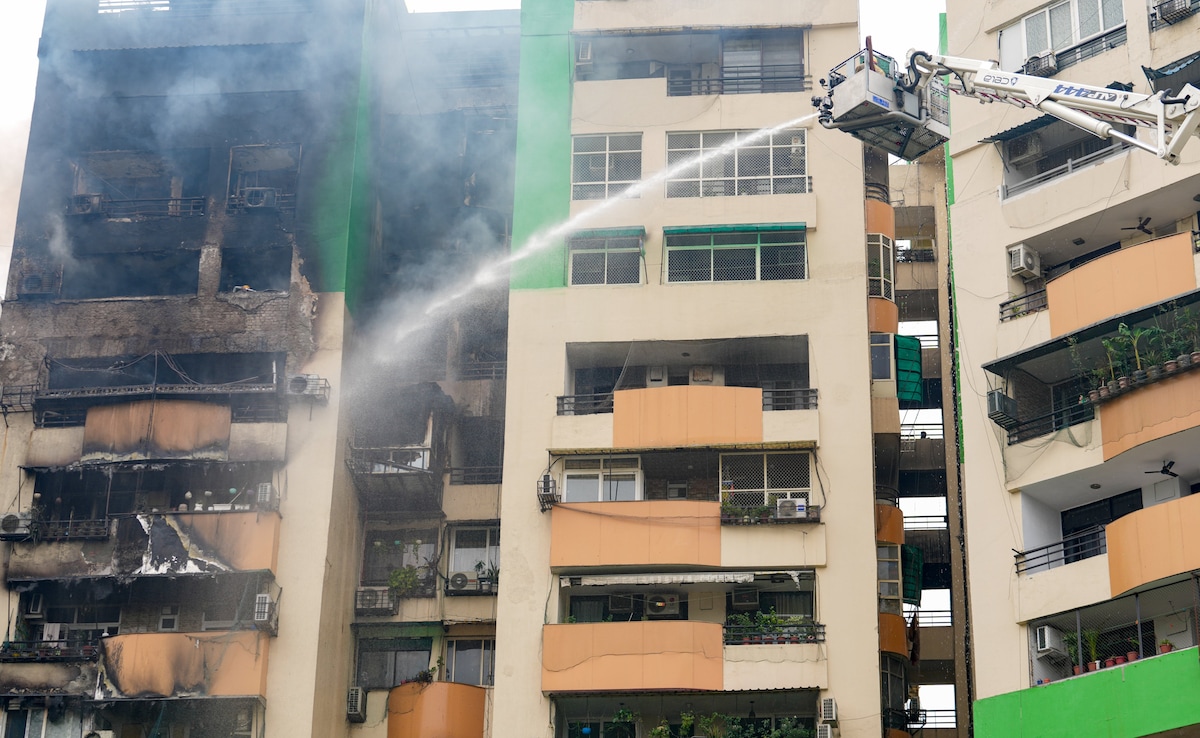
New Delhi:
A major fire ripped through a residential high-rise in Indirapuram, Ghaziabad on Wednesday. Several flats were damaged. While no deaths were reported, many families suffered heavy losses to homes and belongings.
As many residents ask what happens next, it’s important to understand the financial safeguards — from insurance to builders and the government — available with flat owners. Follow Markets Live Updates
VIDEO | Ghaziabad: Massive fire breaks out in Green Avenue Society flat, Indirapuram. Fire tenders rush to the spot.#Fire
(Full video available on PTI Videos – https://t.co/n147TvrpG7) pic.twitter.com/1Iueiz0kuR
— Press Trust of India (@PTI_News) April 29, 2026
Home Insurance: Your First Line of Defence
Home or fire insurance is the main way residents can recover money after such incidents.
- Home insurance typically covers damage to both the structure of the house and the contents inside, such as furniture, electronics, appliances and even valuables — depending on the policy.
- Fire insurance is part of this coverage and compensates for repairing or rebuilding property damaged by fire.
But it’s not automatic. Residents must have an active policy and file a claim with the insurance company. Claims usually require a police FIR, damage estimates, receipts and other documents. Without insurance, there’s no guarantee of payment.
As Siddharth Maurya, Managing Director of Vibhavangal Anukulkara Pvt Ltd, puts it, a house fire is a huge setback – “compensation is not guaranteed if you don’t have a proper safety net … Insurance acts as a cushion.”
Builder and Society: Limited Compensation
Many flat owners hope the builder or the apartment society will pay. In practice, this is often limited.
- Builder liability: In general, once possession is handed over, the builder’s responsibility for damage becomes very limited. There’s no automatic right to compensation from the builder just because a fire happened — unless negligence can be proved or specific insurance obligations were not met.
- Under the Real Estate Regulatory Authority (RERA) Act, developers must take out and hand over a building insurance policy covering structural risks. If they fail to do this, they may be held liable for repair costs later.
As Anurag Goel, Director at Goel Ganga Developments, explains: “In many housing societies, the builder and society together are not the sole determinants of settlement amount. If a fire accident happens in your flat, your main recourse will be your home insurance … Any society insurance will typically cover common parts and basic shell only.”
Apartment owners’ associations often have policies for common areas, but these usually do not cover individual flats or contents.
Negligence and Legal Recourse
When fire damages spread from one flat to others, legal issues may come up:
- If the fire was caused by your neighbour’s negligence — like faulty wiring or unattended appliances — that person’s liability insurance may help cover damages.
- If building safety was compromised, residents can take legal action against the RWA (Resident Welfare Association) or developer for failing to maintain fire-safe infrastructure.
Aman Gupta, Director at RPS Group, notes that “if a fire spreads due to negligence or safety lapses, residents can take recourse legally … they can even sue the RWA or developer if structural safety is compromised.”
However, litigation is often long and costly, and compensation outcomes uncertain.
Government Compensation? Not Usually for Homes
Unlike state help for road accident victims or disaster relief after major floods or earthquakes, the government does not have standard cash compensation schemes for residential fire losses. Most central or state schemes offer relief only in specific disaster categories and not for everyday residential fire damage.
So unless you qualify for a broader disaster relief (rare in city fires), financial assistance is usually personal — through insurance or legal settlement.



