














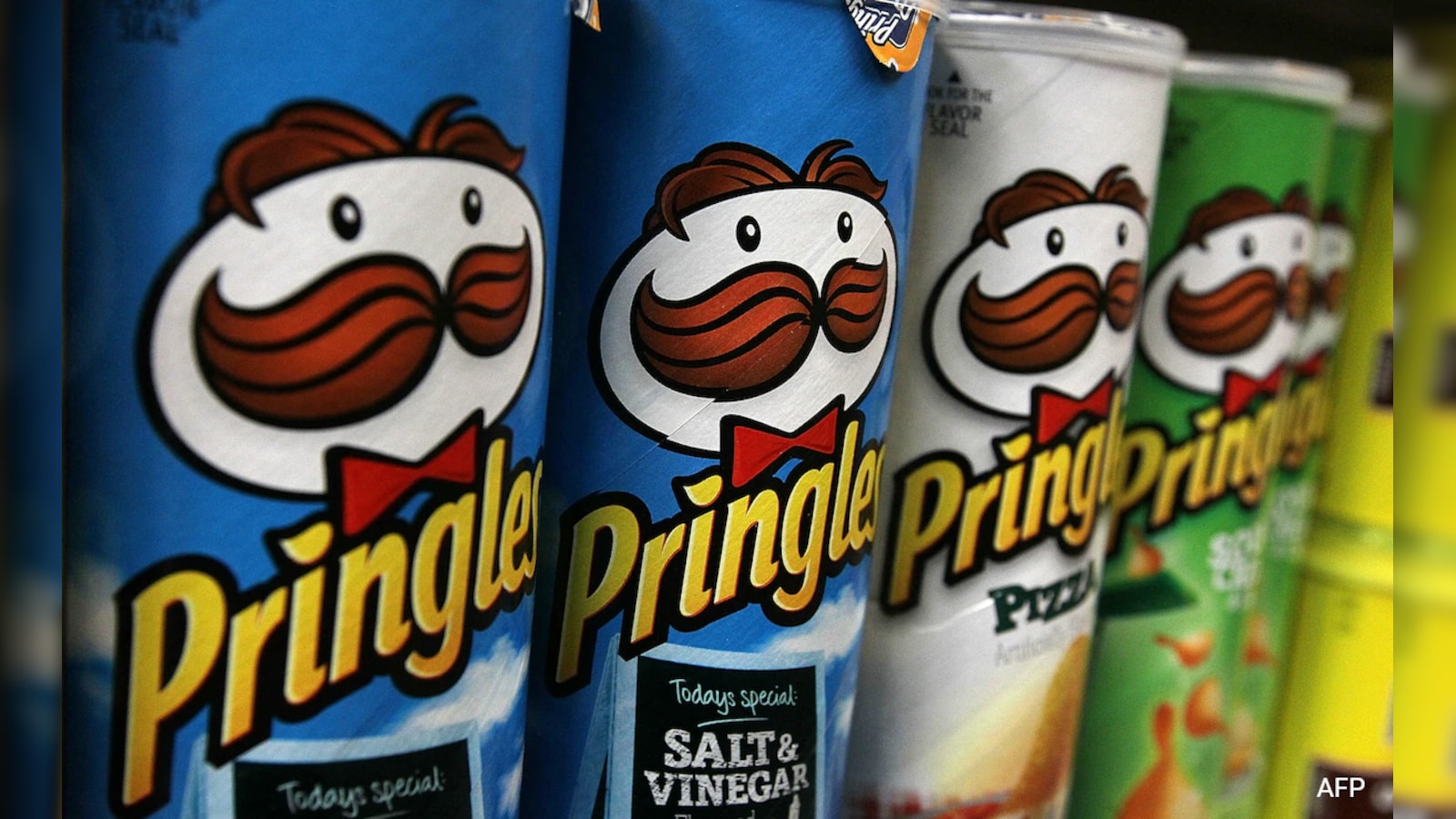






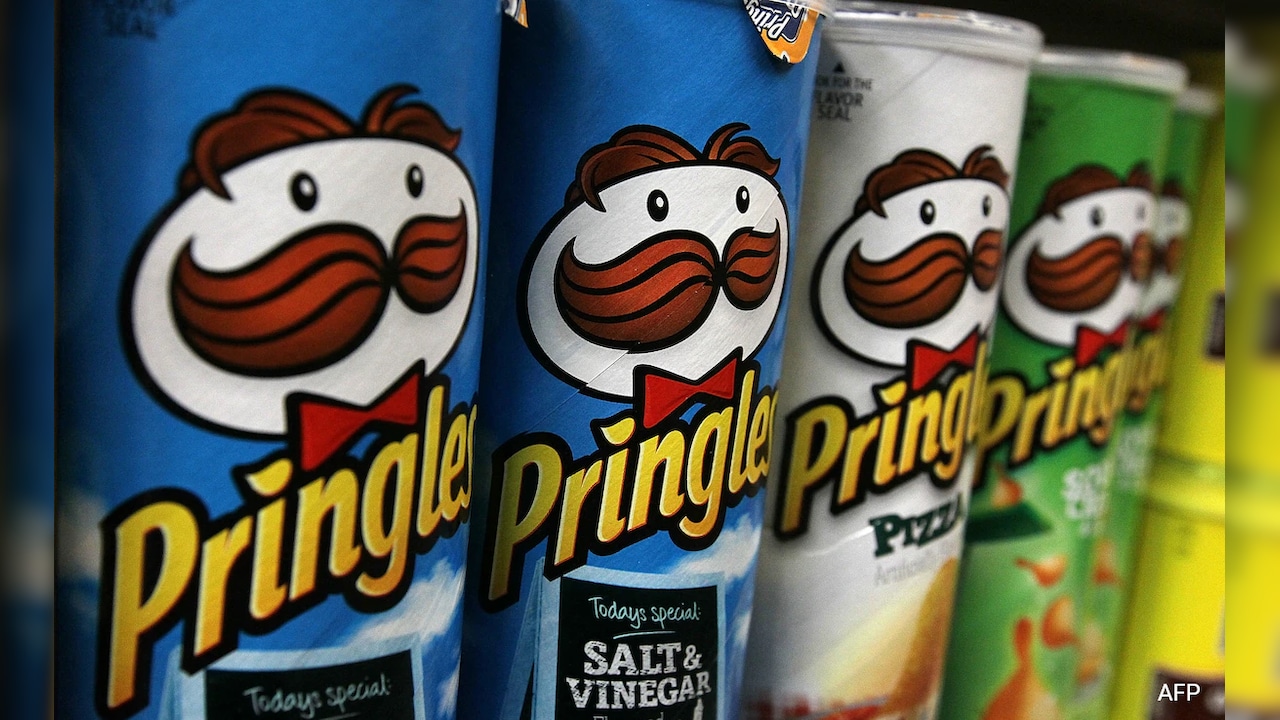
Walk down any snack aisle, and you will find dozens of potato chip brands competing for attention. Yet, Pringles continues to stand out, not just for its signature can and premium price, but also for an iconic shape that has become one of the most recognisable food designs in the world.
Unlike traditional potato chips made from sliced potatoes, Pringles are produced primarily from dehydrated potato flakes. In a video shared on YouTube by Food Network, the user reveals that the flakes are mixed into a dough, rolled into thin sheets, cut into uniform shapes, fried, seasoned, and stacked into their trademark cylindrical cans.
What makes every Pringles chip unique is its carefully engineered hyperbolic paraboloid shape, a three-dimensional saddle-like curve with intersecting double curvature. The geometry creates a structure that distributes stress more evenly, making the chips significantly more resistant to cracking and breakage during manufacturing, shipping, and handling, as per an article published by Cantor’s Paradise.
Also Read: Foodies Around The World Are Pouring Melted Chocolate On Pringles. Is It Worth It?
How Does This Design Help?
The design further prevents a natural line of stress from forming across the chip. Instead of snapping predictably along a weak point, the chip breaks in irregular ways, improving durability while also creating the familiar crisp bite consumers associate with Pringles.
The design was originally developed in the 1960s after consumers complained about broken chips and excessive air inside traditional snack bags. The outlet further states that engineers at Procter & Gamble spent nearly two years using IBM supercomputers to determine the optimal shape, eventually launching “Pringle’s Newfangled Potato Chips” in 1968.
The aerodynamic design also serves another practical purpose. Similar to principles used in aircraft wings and Formula One cars, the curved profile helps reduce the chances of chips being displaced or blown off the high-speed production belt.
How Are Pringles Made Right?
Maintaining consistency is equally important. The video further claims that more than 7 million quality checks on Pringles are carried out every year across the manufacturing process.
Quality control begins before production starts, with potato flakes being sampled and sifted to ensure they meet precise size specifications. Oversized flakes can disrupt the production system, making ingredient consistency critical.
Once the dough is formed, it is rolled into large sheets before high-speed cutters stamp out identical chips. The chips are then fried, salted on one side, and inspected for size, colour, and flavour. Employees are authorised to stop the production line if the taste does not meet company standards.
Even after packaging, quality testing continues. Samples from sealed cans are evaluated by trained flavour experts inside dedicated tasting rooms illuminated only with red lighting. This prevents colour from influencing sensory judgments and allows tasters to focus solely on flavour, aroma and texture.