




















This summer is on track to become the biggest fire season in European history, according to the head of the EU’s Emergency Response Coordination Centre (ECCR).
The heatwaves and droughts across the continent have created ideal conditions for wildfires to spread.
Hundreds of thousands of people have evacuated their homes in France and Spain, and firefighters battling the blazes have lost their lives. Houses, forests and communities have been destroyed.
For holidaymakers planning trips to the continent, the developments have been worrying. Hotels on the Greek island of Crete were evacuated earlier this week, while wildfires continue to burn in popular areas such as Gironde in France.
Ahead of a trip to Europe, here is everything you need to know about the risk from wildfire and heatwaves.
Which tourist destinations are affected by wildfires?
Greece
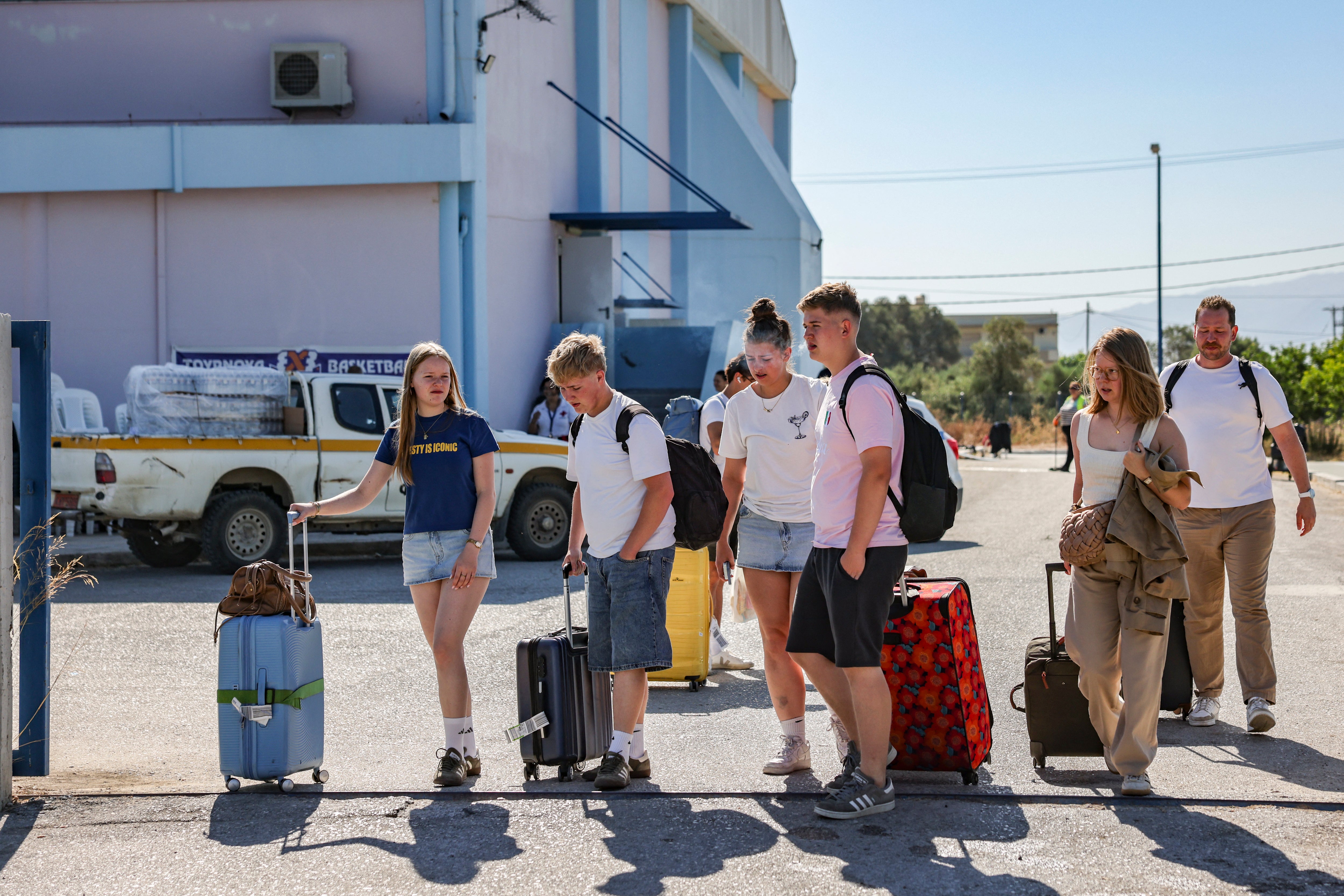
Thousands have been evacuated from homes and hotels on the Greek island of Crete this week, but some have since been able to return.
Residents and tourists were evacuated from towns such as Kyra Vrysi, Agia Galini and other nearby villages as high winds pushed the fire out of control near popular tourist spots.
The wildfires in Rethymno, Crete were under control on Friday, 31 July, but the blaze has not yet been contained, with many hotspots still active.
Villages on the island of Paros have also been evacuated. The Greek Civil Protection Agency currently has a “very high fire risk” for the regions of Attica, the Peloponnese, Central Greece, North Aegean Region, South Aegean Region (Regional Units of Cyclades), Crete, Western Greece, Eastern Macedonia and Thrace.
All heatwave and strong weather warnings currently being experienced across Greece are expected to end by 2 August.
The UK Foreign Office (FCDO) updates its “Safety and Security” page regularly with up-to-date information.
France
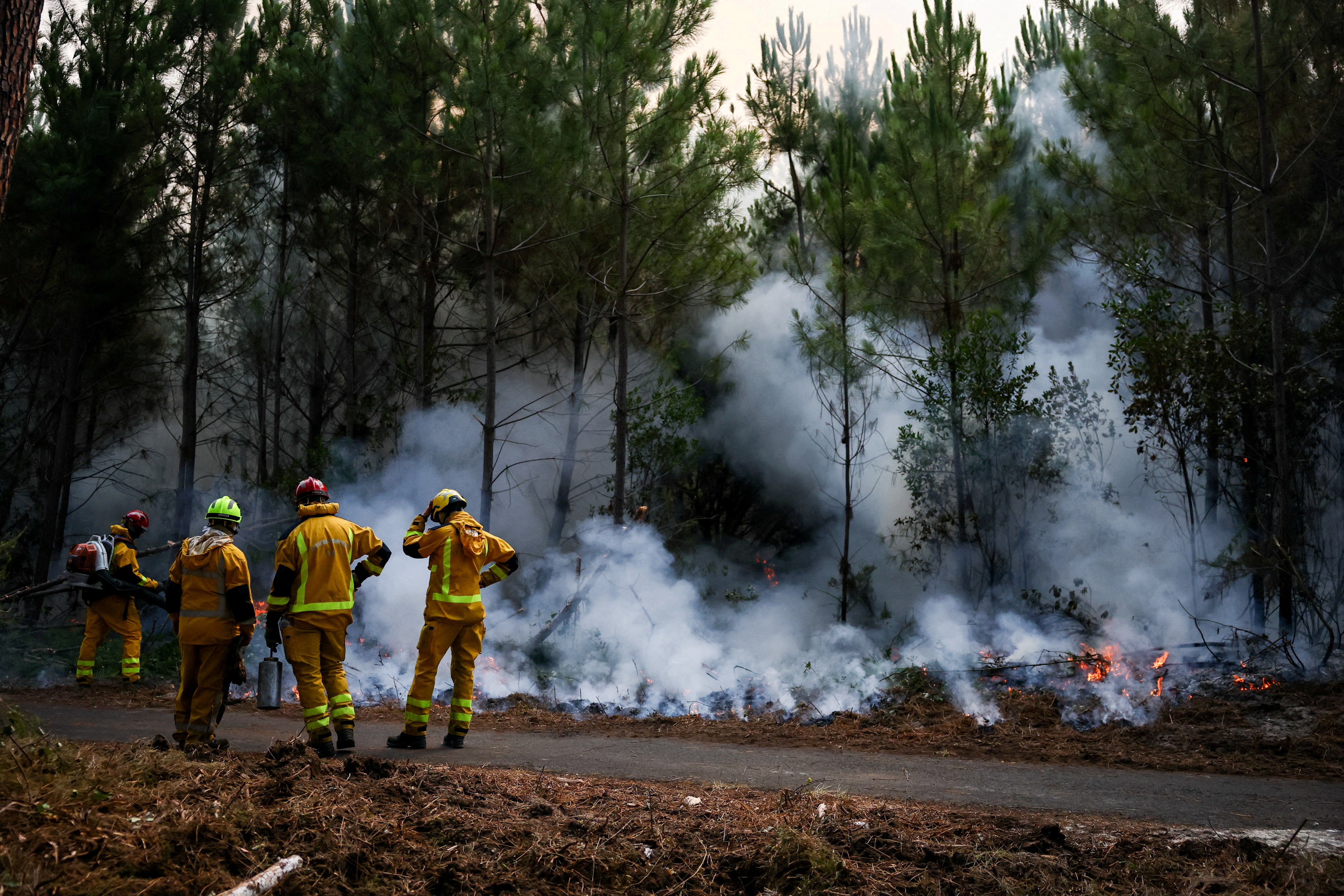
Tourists have been urged not to visit the Gironde region as wildfires ravaged 42,000 hectares in what has been described as an “XXL blaze”.
“I urge tourists not to come to this region, at least until the situation is under control,” Sophie Brocas, the prefect of the Gironde department, said.
“I encourage tourists who are already here to consider another destination,” she added, after around 4,000 tourists were told to leave the area in addition to the approximate 220,000 people who were forced to evacuate their homes around France in recent days.
Beach resorts and popular holiday areas, which have large residential populations too, such as Lacanau, Cap Ferret, Le Porge and Saumos have been affected, with homes consumed by fires and woodland devastated.
Read more: How river cruise lines are dealing with low water levels
French authorities have evacuated campsites, tourist accommodation and some residential areas in the region.
Bordeaux airport is still operational for arrivals, and its previously-evacuated hotel zone is now gradually reopening, in addition to public transport to the airport.
Authorities are warning of a severe heatwave stretching from Franche-Comté to Corsica, reaching temperatures of between 35 and 38C, with peaks of up to 39C in the Lyon area and the interior of Var. Thunderstorm warnings are also in place for Friday, 31 July.
Droughts across the country have also led to water restrictions and hosepipe bans.
For more information, see the FCDO travel advice page for France.
Spain
Evacuated locals have begun returning to the Spanish cities of Madrid and Ávila. Madrid’s regional president Isabel Díaz Ayuso described the recent blaze as “the worst fire in the history of the region”. Authorities declared a national emergency because of the blaze, but it was downgraded by Prime Minister Pedro Sánchez on Thursday.
Madrid, Spain’s central capital and home to 6.8 million people, attracts more than 10 million tourists every year.
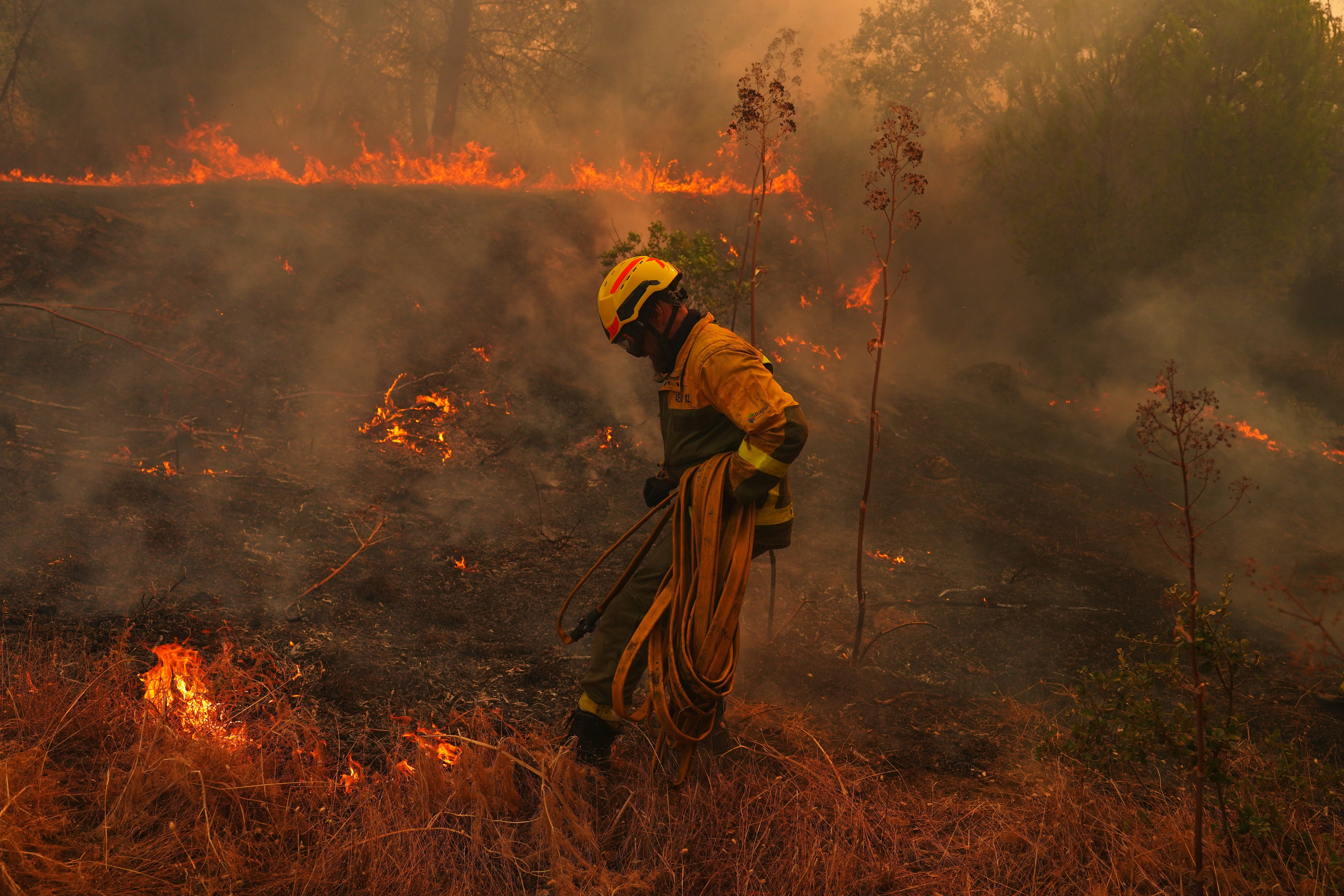
Evacuations have also taken place in Zamora and León areas, as well as along the Portuguese border.
A heatwave began in Spain on 29 July is expected to endure until 1 August, with temperatures forecast to exceed 41C, meaning fire danger will remain high.
For more information, see the FCDO travel advice page for Spain.
Portugal
Portuguese wildfires have affected homes near the municipality of Valpaços, although this is not a mass-tourism destination.
As a result, the A25 motorway was closed and 800 people have been evacuated.
High temperature warnings are currently in place for parts of Madeira and the district of Faro in the south.
Italy
Very extreme fire danger conditions are predicted to extend into northern Italy at the beginning of August, the EU has said.
Wildfires spread in Sicily, Calabria and Puglia last week.
“Level 3” high temperature red alerts have been issued for 1 August for 19 cities, including popular city break destinations Venice, Rome, Turin, Naples, Milan and Florence.
UK
The UK is not immune to wildfires as temperatures soar. Firefighters have been tackling a fast-moving wildfire in Suffolk as the blaze spread to cover an area the size of 210 football pitches.
Elsewhere, around 30 crew responded to a fire on Middlewick Ranges nature reserve in Colchester, Essex, urging people to avoid the area.
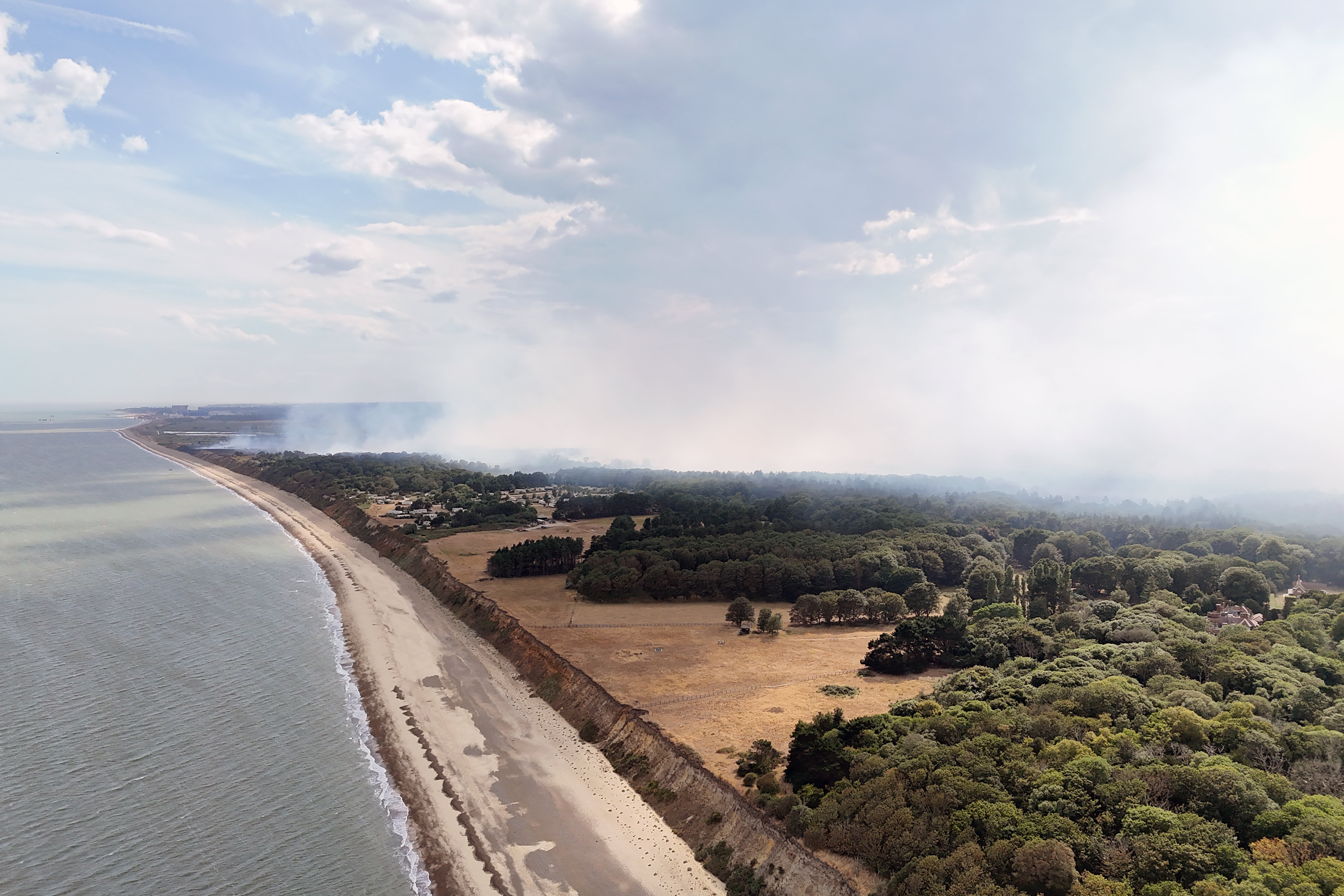
The Cairngorms National Park has also been severely affected after 10 square miles of moorland and forests have been destroyed, with ongoing wildfires still active at Glenmore.
And wildfires across Greater Manchester and Derbyshire are burning two weeks after they first began, according to the fire service.
The UK is currently experiencing its fourth heatwave of the year with temperatures reading as high as 35C. Looking into next week, high pressure will continue to generate dry and warm conditions, but temperatures are retreating to being closer to the average for August.
Turkey
The popular tourist provinces of Antalya and Mugla (home to the port town of Bodrum) in southern Turkey are experiencing wildfires. Five people have been reported injured, including three firefighters, a forestry official and a civilian, according to authorities.
Read more: Villages evacuated on Greek tourist island after major wildfire breaks out