


Venezuela’s government and some opposition members formally launched a US-backed political dialogue that could establish the terms for future democratic elections.
Representatives of the government-controlled National Assembly and members of the 2015 opposition-led National Assembly had a phone call on Saturday, according to statements released by both sides. The parties established technical working groups that are expected to begin in-person meetings next week in Caracas, they said. The groups will discuss the response for the victims of the recent twin earthquakes, strengthening democracy and political rights and guarantees.
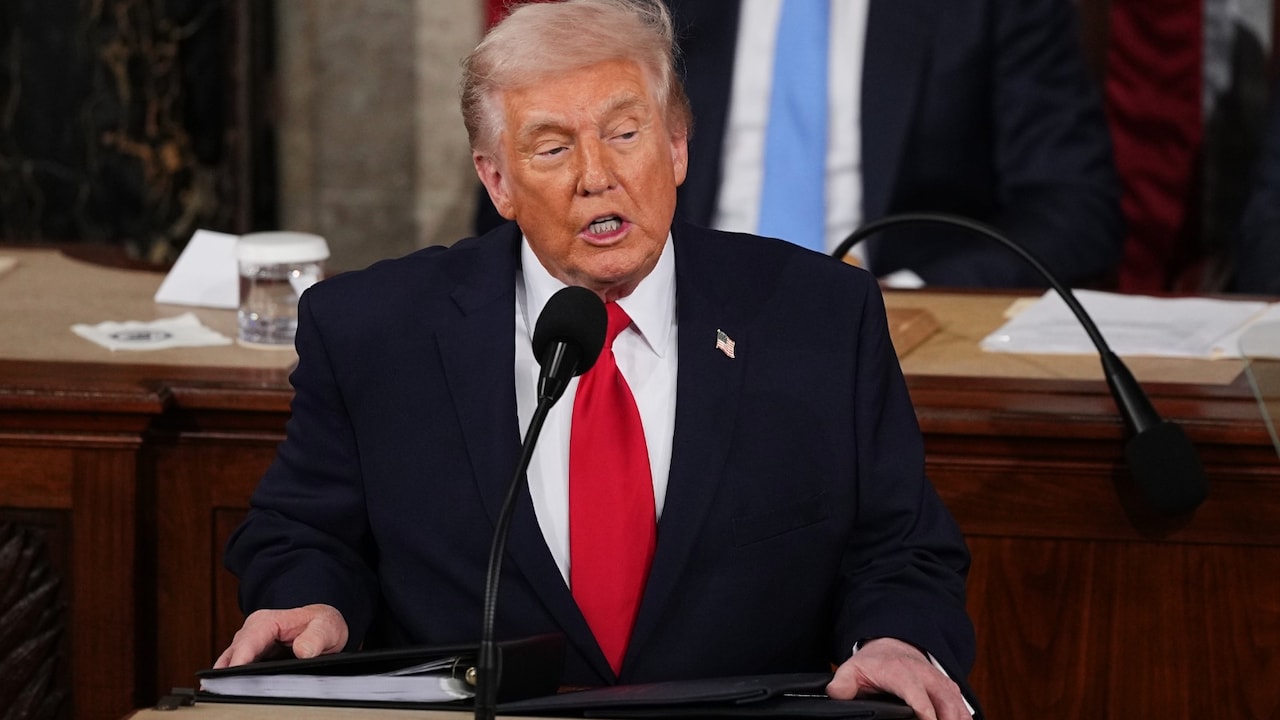
President Donald Trump recently said Venezuela was not ready yet to hold elections, but the negotiations could help determine the trajectory following the removal of Nicolás Maduro by US forces in January. Progress toward credible elections and institutional reforms would shape future sanctions relief, economic recovery and the eventual reintegration into global markets. Failure, meanwhile, would likely prolong political uncertainty and complicate prospects for investment.
The talks, which face skepticism from both sides, are expected to address reforms to the Supreme Tribunal of Justice, the electoral system and legislation governing political participation.
While Washington has played a central role in organizing the process, Secretary of State Marco Rubio has said the US intends to support, not direct, the negotiations.
The Venezuelan government’s delegation is headed by National Assembly President Jorge Rodríguez, Maduro’s longtime chief negotiator, highlighting the government’s decision to entrust the talks to one of its most experienced political operators. Government officials recently reiterated that sanctions relief would remain a central demand, continuing a longstanding negotiating position.
Others in the government’s delegation include Ana María San Juan, Jorge Arreaza, América Pérez, Genesis Garvett and Pedro Infante, one of the statements showed.
Washington decided that the negotiations would be conducted through the opposition-led 2015 legislature led by Dinorah Figuera, and representatives from the Justice First and Popular Will parties, rather than the broader Unitary Platform or its leader, María Corina Machado.
Ahead of the talks, Machado said she would judge the process based on concrete outcomes, including meaningful progress toward free and competitive elections, the restoration of political rights and institutional guarantees, and mechanisms to ensure agreements are implemented and independently verified.
The rest of the opposition who will participate in the talks are Marco Aurelio Quiñones, Ramón López, Jorge Millán, Juan Miguel Matheus and Sergio Vergara.
The negotiations follow the collapse of Norway-mediated talks that preceded Venezuela’s disputed 2024 presidential election, which ultimately failed to secure the electoral guarantees sought by the opposition and the US.
(This story has not been edited by NDTV staff and is auto-generated from a syndicated feed.)
Essential Business Intelligence,
Sharp Market Insights,
Practical Personal Finance Advice, Daily Fuel, Gold and Silver Prices and Latest Stories — On NDTV Profit.



