

















.jpeg "Inside Patti and Joanne Pao’s Hard-to-Beat Chanel Collection")





The government has addressed objections regarding the Foreign Contribution (Regulation) Amendment Bill, which seeks to tighten regulations on foreign funding received by Indian non-governmental organisations (NGOs).
Home Minister Amit Shah took charge of this process, holding discussions with political parties and Christian organisations – which had expressed apprehensions about the bill’s provisions – to resolve their concerns.
Shah met Mizoram Chief Minister Lalduhoma at Parliament House on Thursday. Following the meeting, Lalduhoma described the discussion as very positive and said assurances were given that the law’s provisions would not apply with retrospective effect (would not be implemented from a past date).
According to top government sources, the bill contains no provision for retrospective implementation and is essentially the same as the one introduced by the UPA government in 2010. They noted that misconceptions about the bill are being deliberately spread among Christian organisations. In reality, out of the Rs 17,000 crore in foreign contributions received by the country last year, only Rs 3,000 crore went to Christian institutions; thus, the bill’s provisions do not harm the interests of Christian organisations.
Home Minister Shah has also discussed the bill with several Christian organisations and reassured their representatives during meetings.
The primary points of contention in the bill concern Sections 14B, 16A, and 16B. Under Section 14B, if an organisation fails to apply for the renewal of its FCRA registration, has its application rejected, or allows its registration period to expire, its certificate will be deemed to have lapsed.
Sections 16A and 16B contain provisions for vesting assets in a government authority. In the event of the cancellation or expiration of an FCRA licence, all assets created using foreign contributions – such as schools, hospitals, and community centres – would come under the control of a designated authority. If the organisation fails to obtain a new licence within the stipulated timeframe, these assets will permanently vest in the government or its departments.
Christian organisations are concerned that these provisions could be used to target assets created in the past. They fear that the government might take over the old assets of entities whose FCRA registration expired years ago and which now operate solely on domestic funds.
However, top government sources have dismissed these concerns. “The government has clearly stated that the proposed legislation is not intended to unfairly target past investments or registrations that have already lapsed,” a source said.
They said that if an entity’s FCRA license expires, an interim arrangement will be put in place to manage its assets, ensuring they are not misused during the period of disruption. Once the original entity secures a new license, the assets will be handed back. “The government has assured that the bill aims to promote the proper management of foreign contributions rather than targeting the Christian community or any specific group,” the source added.
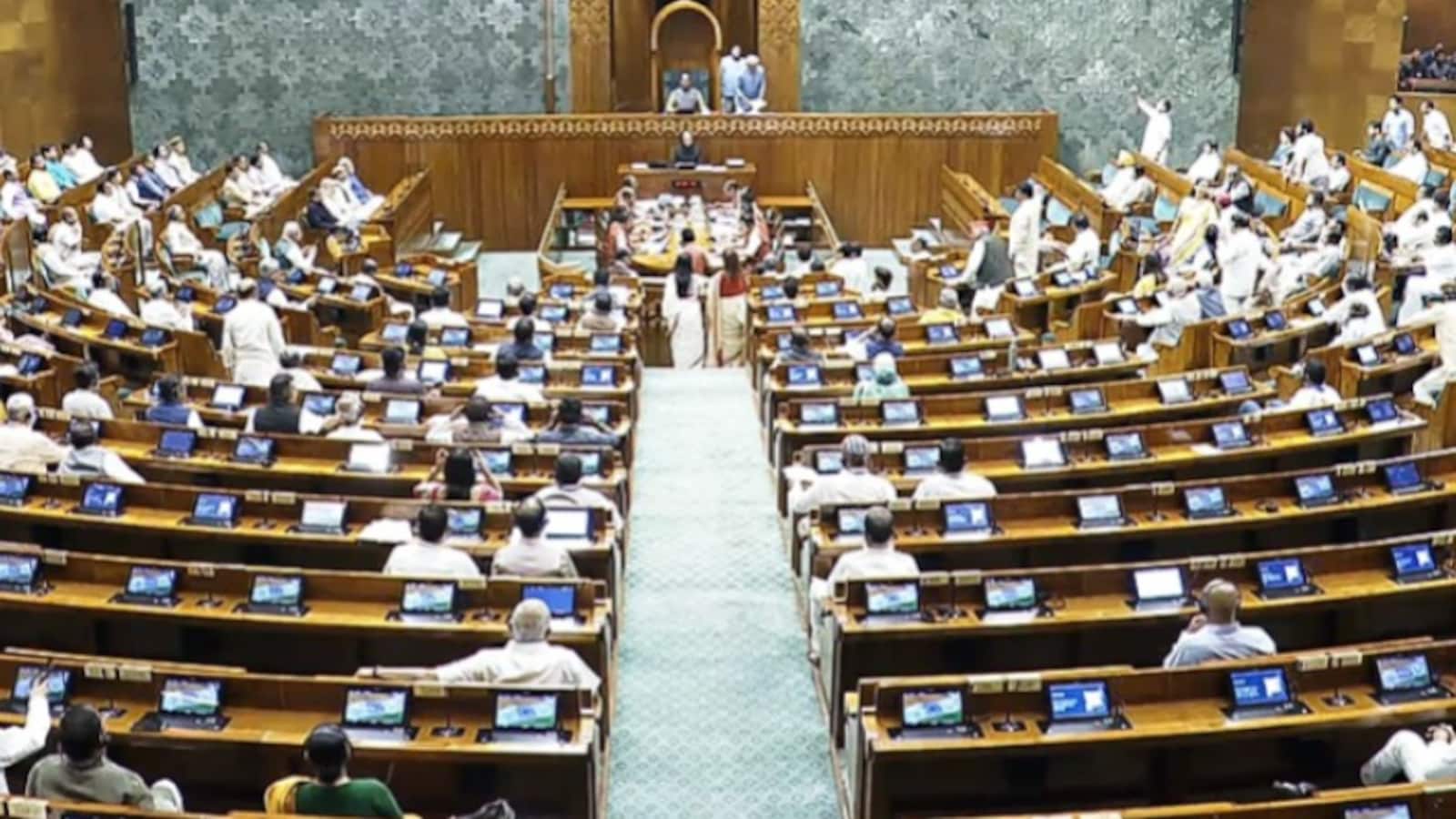
This bill was introduced in the Lok Sabha on March 25 during the previous session, and the government is set to bring it up for discussion and passage next week. Shah will respond to the debate and it is expected that he will also address all the apprehensions being raised regarding the bill in his reply.