


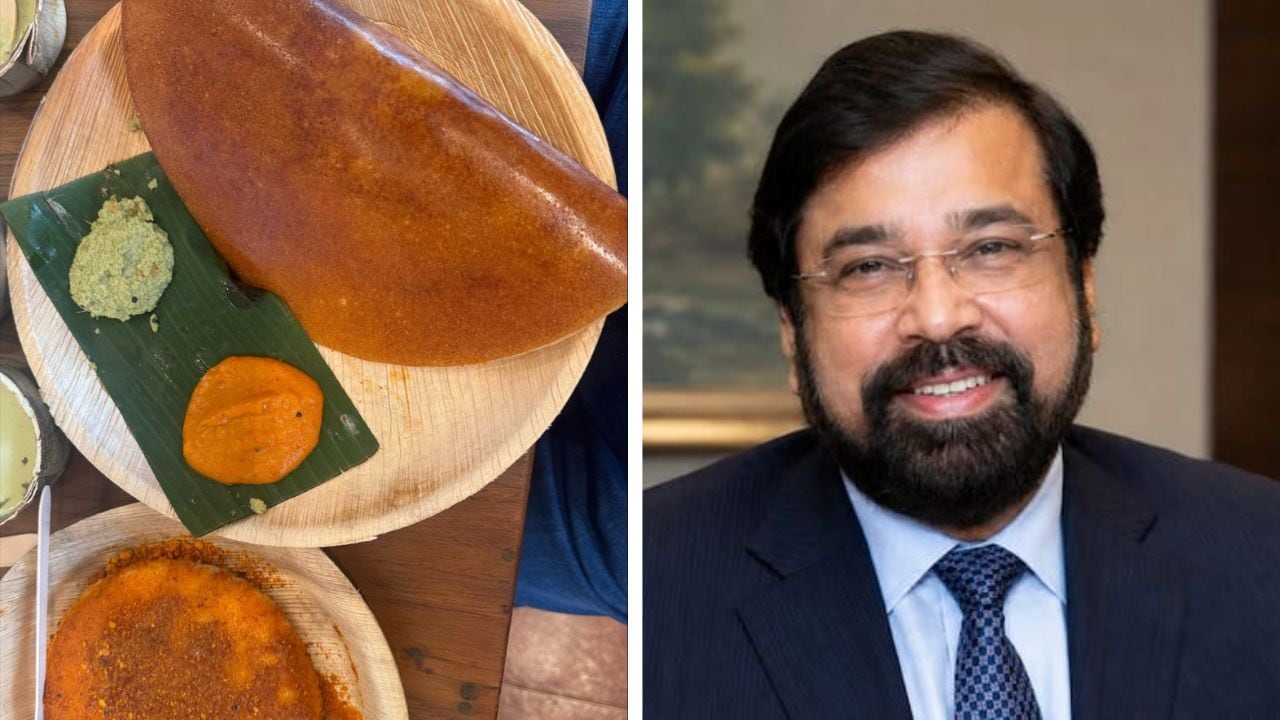
What does it take to turn a humble dosa into a nearly Rs 350-crore business? According to industrialist Harsh Goenka, the answer may have less to do with reinventing the dish and more to do with getting the basics right. Goenka broke down what he believes has made Benne, the popular dosa chain, such a huge success.
In a post on X, Harsh Goenka shared his take on why Benne in Mumbai has grown so rapidly, pointing to a mix of a focused menu, smart operations, affordability and, perhaps most importantly, the buzz created around the brand.
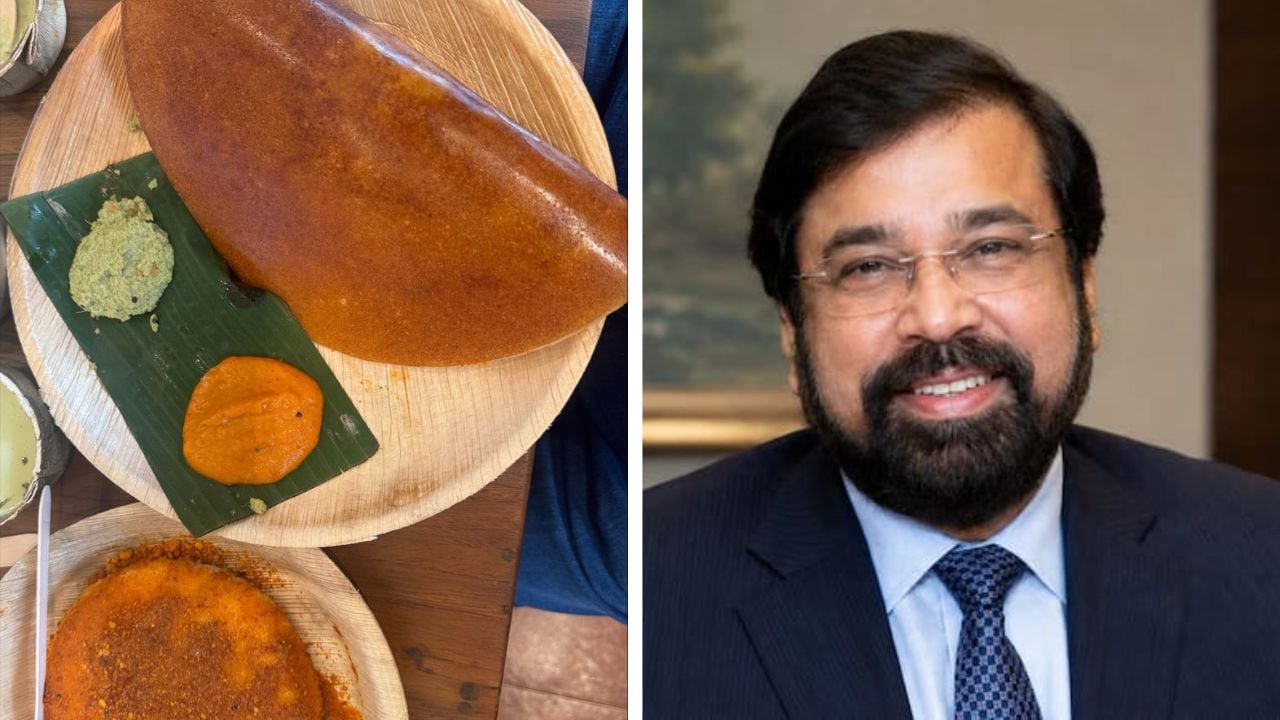
“Why has ‘Benne’ succeeded so spectacularly?” Goenka asked in the post. He pointed out that Benne’s offering is one hero product: the Davangere-style benne dosa. Unlike the large, thin and crisp dosas many diners are used to, this Karnataka speciality is smaller, softer inside and generously finished with butter. The distinctive style itself gave Benne something specific to own.
Goenka’s next point was the small menu. Keeping the number of dishes limited makes it easier to maintain consistency, train staff and replicate the format as the business grows. For a quick-service restaurant, that simplicity can be a serious advantage.
Also Read: When Kellogg’s Gave Up And Made Upma. Harsh Goenka Lauds The Power Of Local Taste
Why has ‘Benne’ succeeded so spectacularly?
– One hero product: Davangere-style butter dosa
– Small menu, easy to perfect and replicate
– Electronic self order + self service creates engagement
– Affordable enough to become a habit
– Long queues created social media buzz
-… pic.twitter.com/VcpMCEX2lB— Harsh Goenka (@hvgoenka) August 9, 2026
Then comes the experience. Benne uses electronic self-ordering and self-service, reducing the need for elaborate table service while getting customers involved in the process. The format also allows the restaurant to serve people quickly, something that matters when queues are part of the everyday scene.
And those queues have done their own marketing.
What started as a modest 12-seater in a Bandra bylane in 2024 turned into one of Mumbai’s most talked-about dosa brands. Celebrity visits, social media posts and videos of customers waiting outside added to the curiosity. Reports now put Benne’s valuation at around Rs 350 crore, a remarkable jump for a business that is only about two years old. Benne Dosa has expanded its presence in Delhi.
Goenka also highlighted perhaps the most important factor for any food business: price. A product has a better chance of becoming a habit when customers can afford to return regularly rather than treating it as a one-time indulgence.
His final observation was about service: keep it prompt. “Brilliant execution with some differentiation is the key,” Goenka concluded.
And that may be the most interesting part of the Benne story.
What stands out is how tightly the product, price, format, speed and social buzz have been brought together.



