


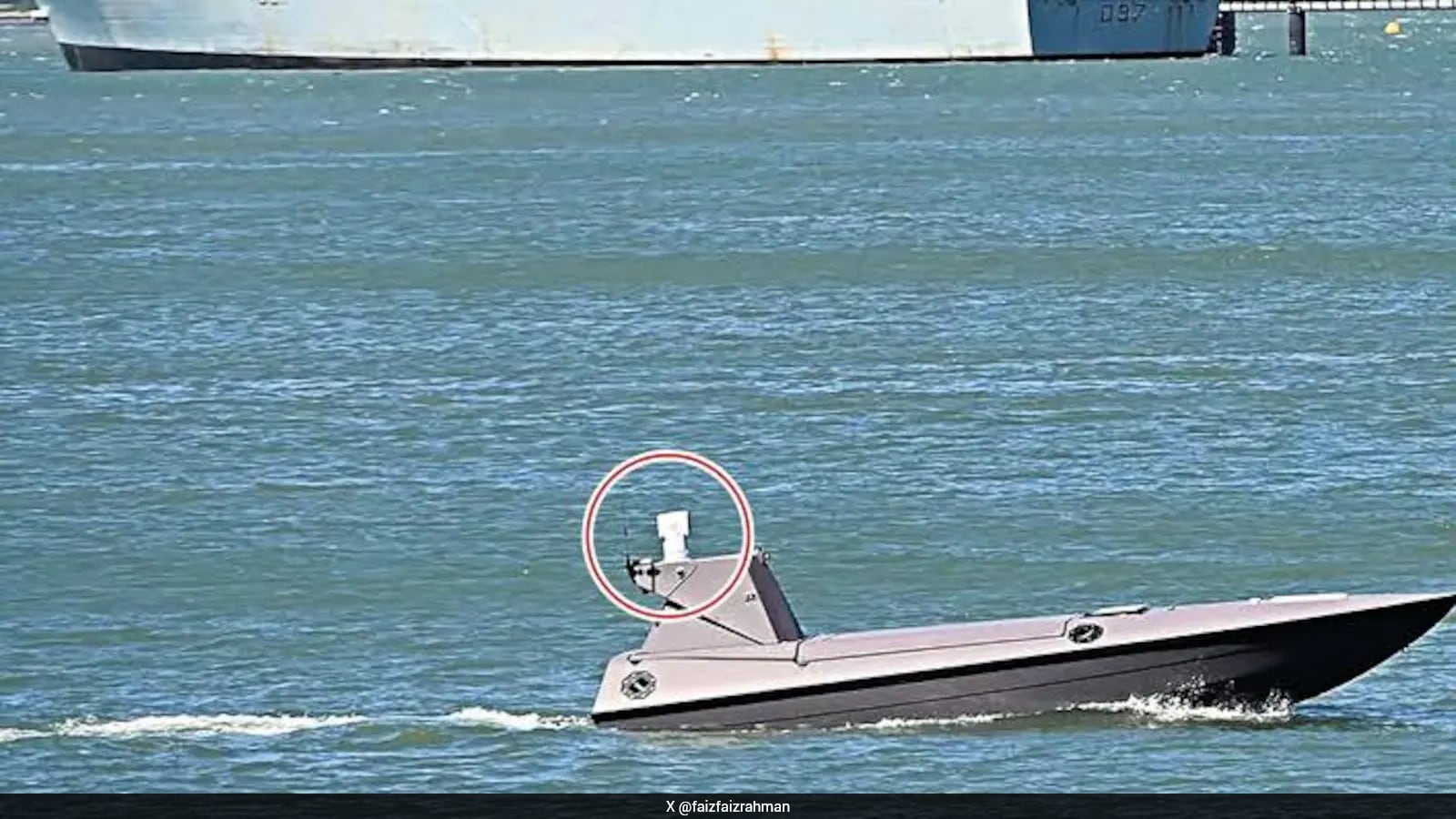
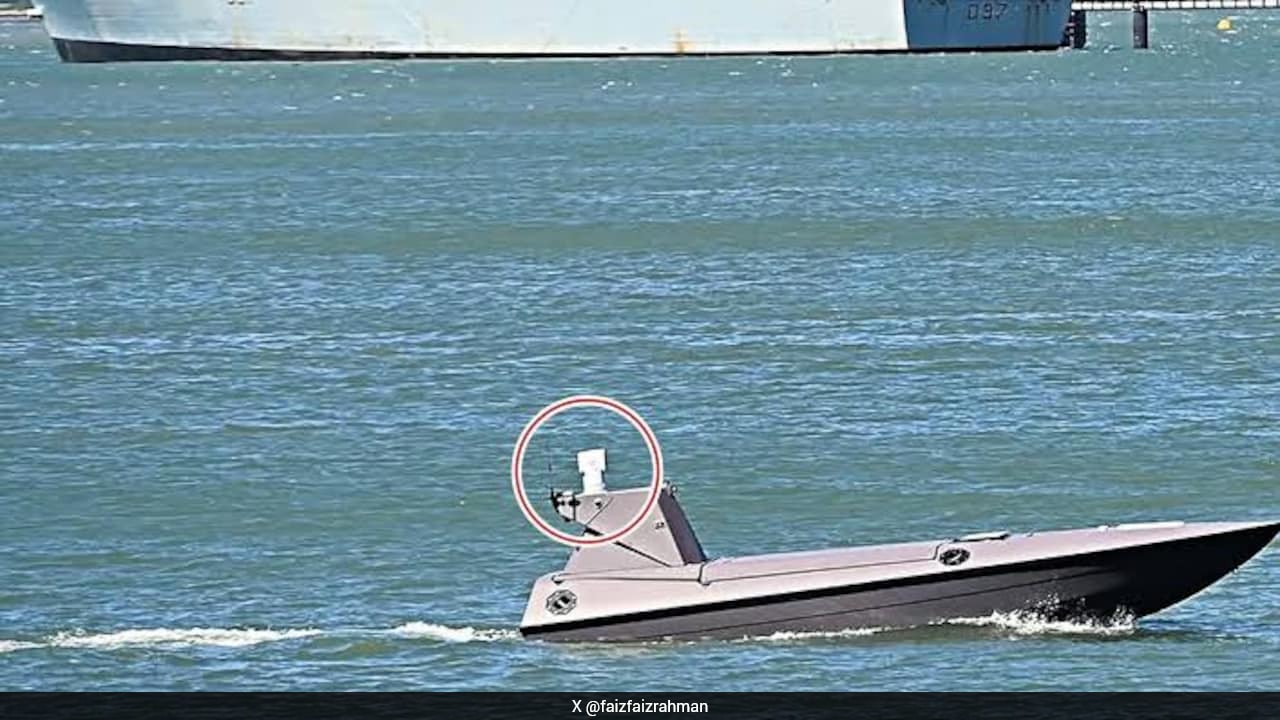
Britain’s security establishment has been left facing uncomfortable questions after surveillance drones used by the Royal Marines were found to be transmitting signals to an internet address in China.
The K3 Scout unmanned surface vehicles, operated by Britain’s elite forces, had cameras containing Chinese-made components. An investigation found that the cameras were sending so-called “heartbeat communications” to an IP address in China.
The Ministry of Defence (MoD) has insisted there is no evidence that sensitive information was accessed or sent abroad, according to a report by the BBC.
But the discovery has raised fresh concerns about Chinese technology making its way into critical British defence equipment.
What Did The Drones Send To China?
The problem was uncovered during what the MoD described as a “routine cyber vulnerability assessment”.
The cameras were found to be sending a “squark”, a type of heartbeat signal designed to indicate that a device is switched on and working properly, to an IP address in China.
Such communications can, depending on the system, also contain information such as the device’s location.
The MoD said its investigation found no evidence that military systems or sensitive data had been compromised.
“A thorough investigation found no evidence of MoD data or systems being accessed, compromised or transmitted externally,” an MoD spokesperson said, according to the BBC report.
“Our assurance and testing processes are designed to identify and address potential vulnerabilities early, and we continue to undertake routine security activity across our systems and equipment,” the MoD added.
The internet connection to the cameras has since been removed.
12 Million Pound Fleet Used By Elite Royal Marines
The K3 Scouts are among Britain’s newest unmanned maritime systems. The Royal Marines have been using a fleet of 20 drones, worth around 12 million pounds, since March.
The vessels can operate remotely and are designed to carry out a range of military tasks.
Their manufacturer, British defence company Kraken Technology Group, says the systems can “support a wide range of mission profiles, including maritime awareness, force protection, logistics and precision strike”.
The drones can therefore be used for much more than surveillance, making the discovery particularly sensitive.
The fleet has been used by the Royal Marines, including personnel linked to the Special Boat Service (SBS), raising concerns about whether security-cleared military staff and sensitive locations could have been exposed.
How Did Chinese Technology Get Into The Drones?
Kraken supplied the drones but sourced the cameras through a third-party supplier.
The camera supplier had reportedly provided assurances about the security of the equipment. However, an investigation later established that the cameras contained Chinese-made components and were communicating with an IP address in China.
Kraken has maintained that it is confident that no sensitive information was shared.
The episode is particularly awkward for the MoD because Britain, like other NATO countries, has taken steps to keep Chinese technology out of sensitive military systems amid long-running espionage concerns.
A Bigger Problem For Britain’s Defence Supply Chain
The incident has also exposed a problem that goes beyond one batch of military drones: China’s enormous role in global technology and manufacturing supply chains.
Even defence companies operating under strict security requirements can find it difficult to completely eliminate Chinese components from their equipment.
China remains a major supplier of electronics, cameras, materials and other technologies, often at lower costs and at a scale that is difficult for Western manufacturers to match.
That makes supply-chain security an increasingly important national security issue.
Britain’s Growing China Security Concerns
The drone discovery comes against the backdrop of years of warnings from British intelligence agencies about Chinese espionage and interference.
Last year, MI5 warned MPs that Chinese intelligence services were “relentless” in their attempts to “interfere” and “influence” Parliament. The agency said LinkedIn and other employment platforms could be used to gather sensitive information.
Britain has also previously taken action against Chinese technology companies over national security concerns.
In 2020, the Conservative government moved to remove Huawei from Britain’s 5G network after security concerns were raised over the potential risks associated with the company’s involvement.
Since then, the MoD has faced other instances where Chinese-made hardware and cameras had to be removed from sensitive locations.
The latest discovery appears to have been contained, with the camera connectivity shut down and the MoD insisting that there is no evidence of a data breach.



 has insisted there is no evidence that sensitive information was accessed or sent abroad, according to a report by the BBC.)