


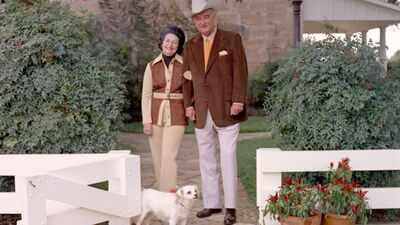
In 1972, former US President Lyndon B Johnson and his wife, Lady Bird Johnson, gave their ranch house and about 600 acres of land to the National Park Service for use as a national historic site. However, the couple retained a ‘life estate’, which allowed them to continue living at the property during their lifetimes.According to Seattle Times, the ranch, near Stonewall, Texas, became known as the ‘Texas White House’ during Johnson’s presidency. He used the property as a retreat from Washington and hosted foreign leaders and other important visitors there. It also became a place where he held meetings and spent time away from the White House.The main house did not immediately became open to the public. The Johnsons retained the right to use the home, and after Lyndon Johnson died in January 1973, Lady Bird Johnson continued to live there under the arrangement. She remained connected to the ranch for the rest of her life.Lady Bird Johnson died in July 2007 at the age of 94. Her death ended the lifetime arrangement and allowed the National Park Service to take over the main house. By then, much of the ranch was already open to visitors.
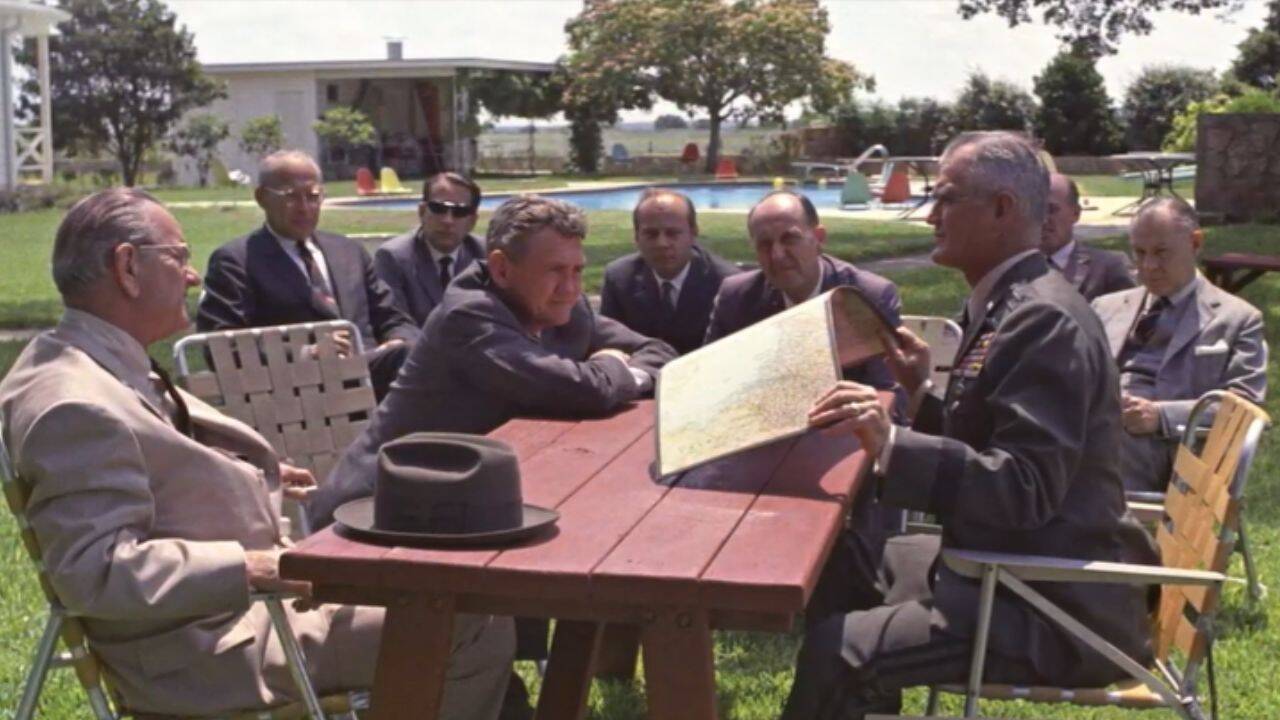
President Johnson frequently conducted official business in casual outdoor settings on the property. (NPS photo)
Story of the ‘Texas White House’
Lyndon Johnson bought the property from his aunt in 1951. During his presidency, it became closely linked to his time in office. The ranch offered Johnson a place away from Washington where he could work and meet visitors.He served barbecue to world dignitaries there and hosted several foreign heads of state. Staff meetings were also held outside, under the shade of a large oak tree.The property, however, was more than a place connected to Johnson’s presidency. Lady Bird Johnson called it her ‘heart’s home’. “It was always Lyndon’s favorite time, particularly around sunset, from the earliest spring until cold weather drove us in,” she once said.Lady Bird Johnson also appeared to think about what would happen to the home after her family was gone. In 1965, after visiting Thomas Jefferson’s Monticello, she spoke about looking at the Johnson house differently.“I did find myself looking at the house with new eyes, the eyes of someone who someday might leave a simple house, not anything so great in our history as Monticello, but one to which other generations of American tourists might come,” she said.Seven years later, the Johnsons made the property part of the public historical record. In December 1972, they gave the ranch house and hundreds of acres to the public as a national historic site, while retaining their life estate.
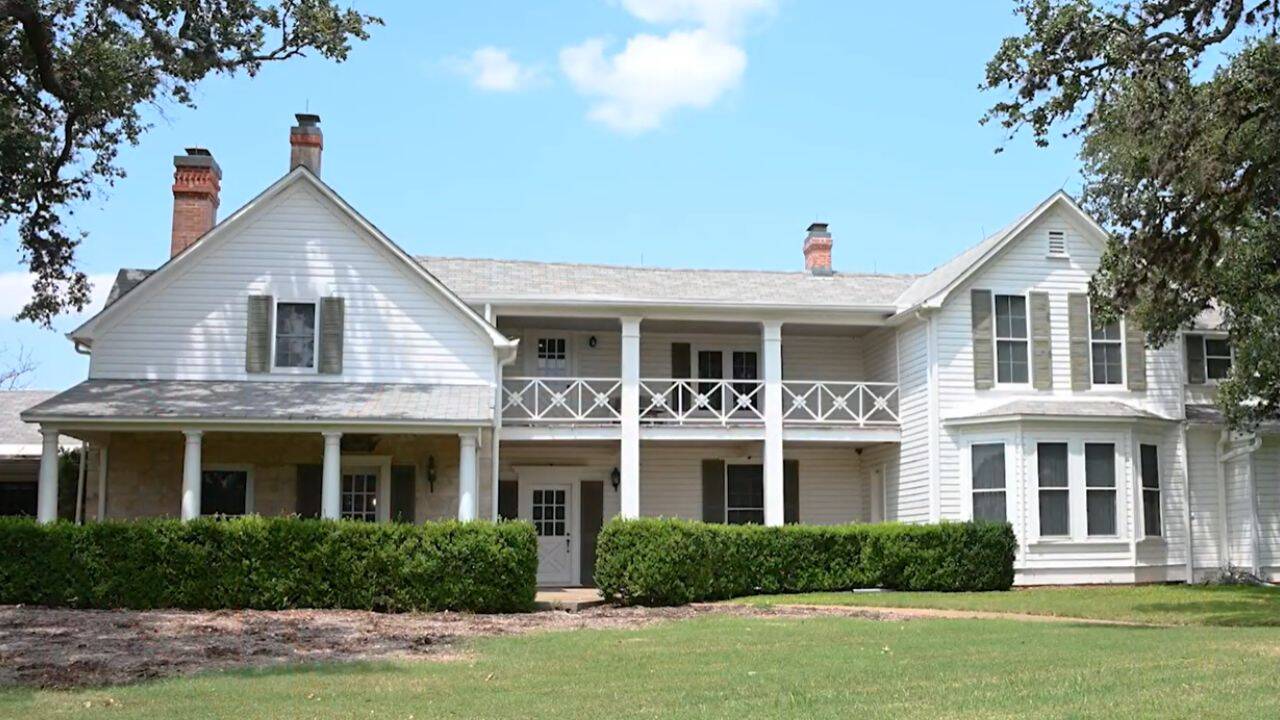
Lady Bird Johnson continued to live on and use the 600-acre park property, including the ranch house, for the rest of her life. (NPS photo)
Lady Bird Johnson’s time at the ranch
The donation became especially significant after Lyndon Johnson died on January 22, 1973, at his LBJ Ranch. Under the terms of the life estate, Lady Bird Johnson could continue to live on and use the property, including the ranch house, for the rest of her life.She had a house in Austin, but the ranch remained important to her. A longtime family friend, Neal Spelce, said she returned to the property as often as she could. “She would get away to the ranch as often as she could. It really was her home,” Spelce said.The ranch was already being visited by members of the public, but the main house remained off-limits while Lady Bird Johnson lived there. Visitors could take tours through the property and walk up to the family cemetery. Lady Bird was also known to sometimes wave at tour buses passing by.Spelce said the ranch had a relaxed atmosphere despite its connection to the presidency. “There really was no pretense. It was a place where you felt you could take off your shoes and kick your feet up,” he said.Lady Bird Johnson continued to live at the ranch part-time until her death in 2007. She was buried beside Lyndon Johnson in the family’s private cemetery, less than a mile from the ranch house.
Home prepared for public tours
After Lady Bird Johnson’s death, the National Park Service was set to take over the 4,000-square-foot ranch house. The Johnson family was given time to remove personal belongings before officials began preparing the home for public tours.Officials considered recreating much of the interior so that it would look as it did between 1963 and 1973, when Lyndon Johnson was president. They also wanted the presentation to reflect Lady Bird Johnson’s life at the ranch after her husband’s death.The house itself had grown considerably over the years. Its original section was a one-room cabin with a loft built by German immigrant William “Polecat” Meier. By 2007, it had become a 28-room building with eight bedrooms and nine bathrooms.


