


Paris now has its first-ever boutique dedicated exclusively to butter, launched last month within walking distance of the Eiffel Tower.
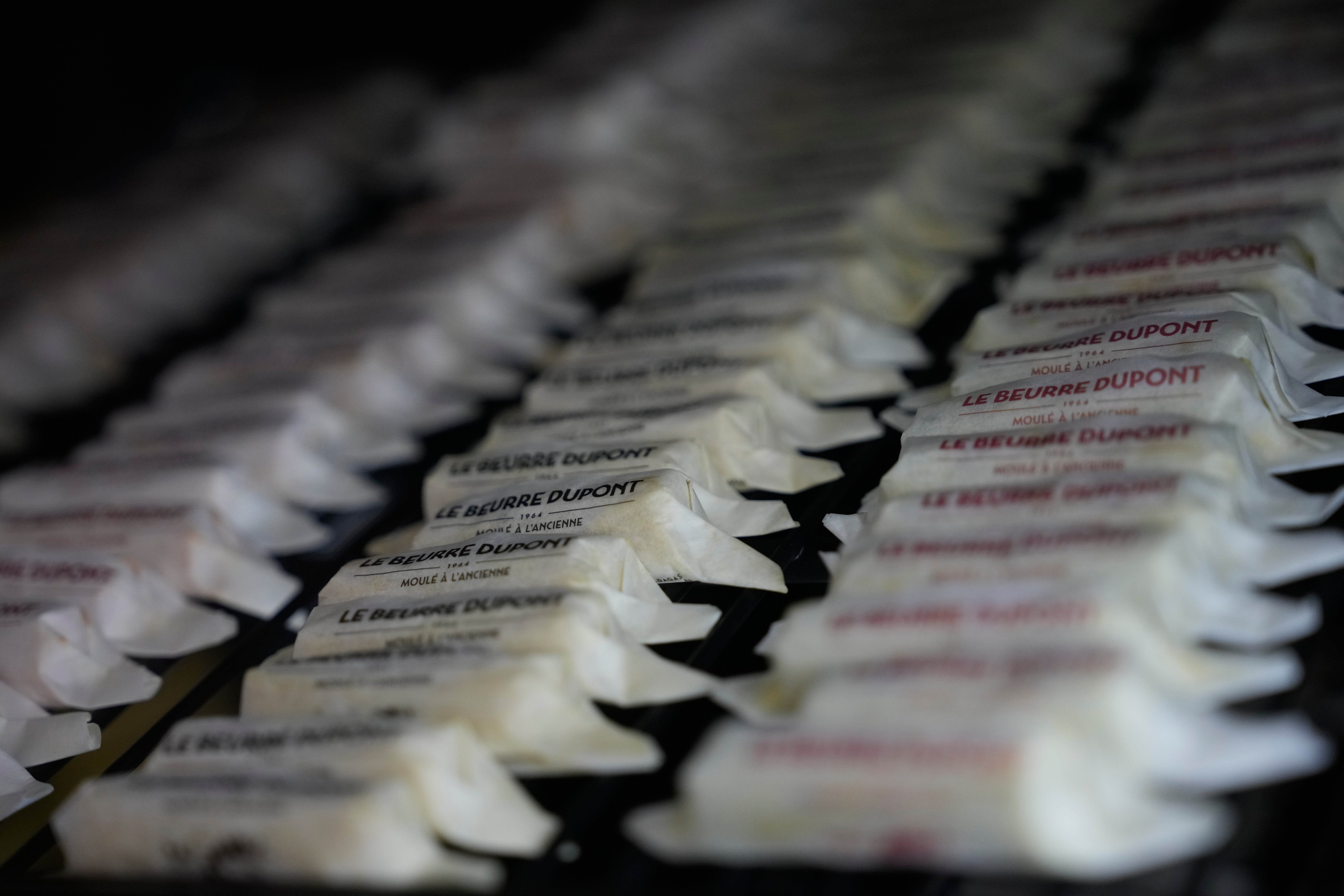
Le Butter Shop stocks 30 varieties from independent family producers in Brittany, northern France, and the Loire Valley.
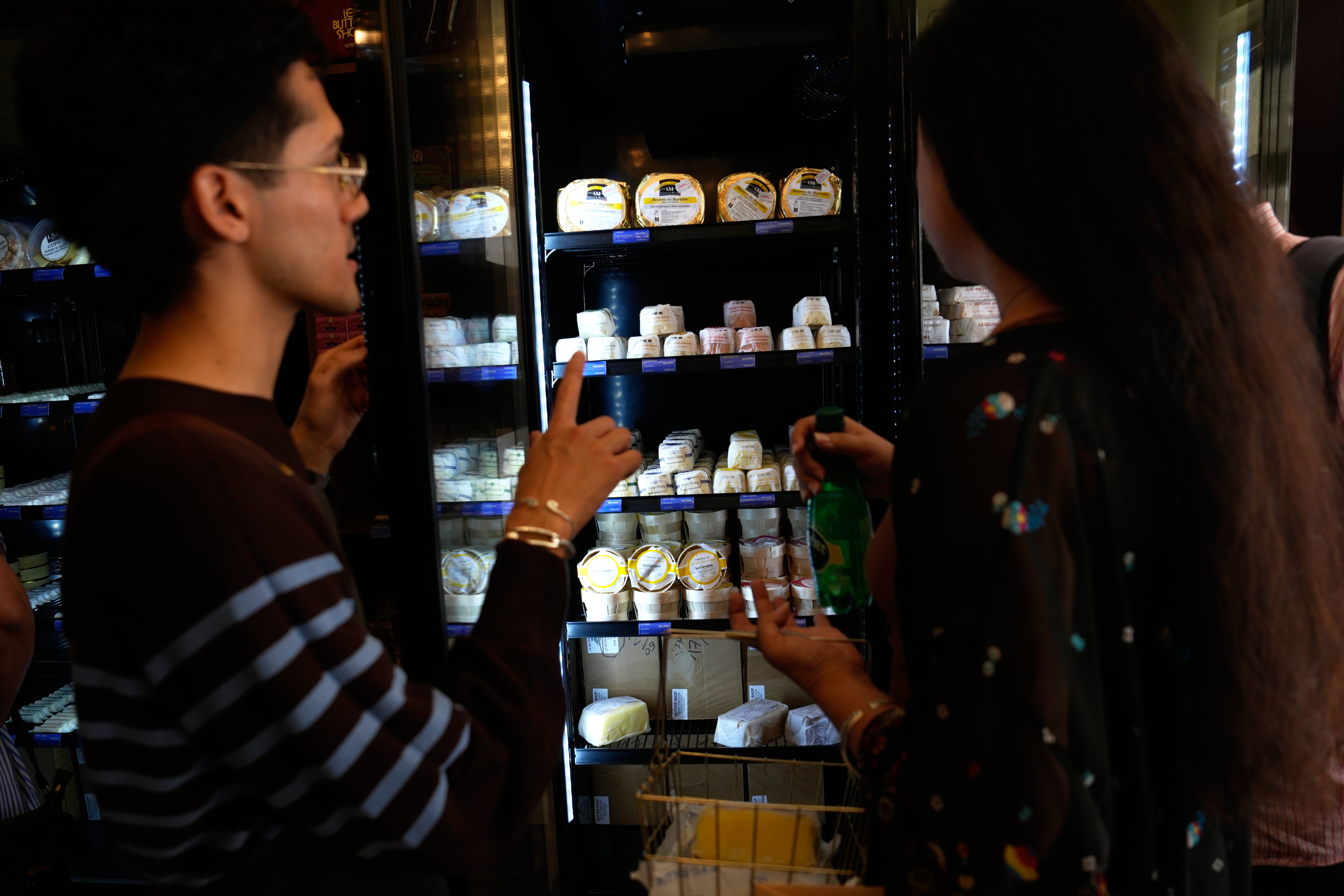
Inside the store, patrons sample by the spoon before selecting anything between a 10-gram portion and a one-kilogram (2.2-pound) block, choosing from standard varieties alongside shallot, pepper, seaweed, wild garlic, fine herbs, and lemon with green pepper.
Sweet offerings include vanilla, raspberry, strawberry, and chocolate flavors.
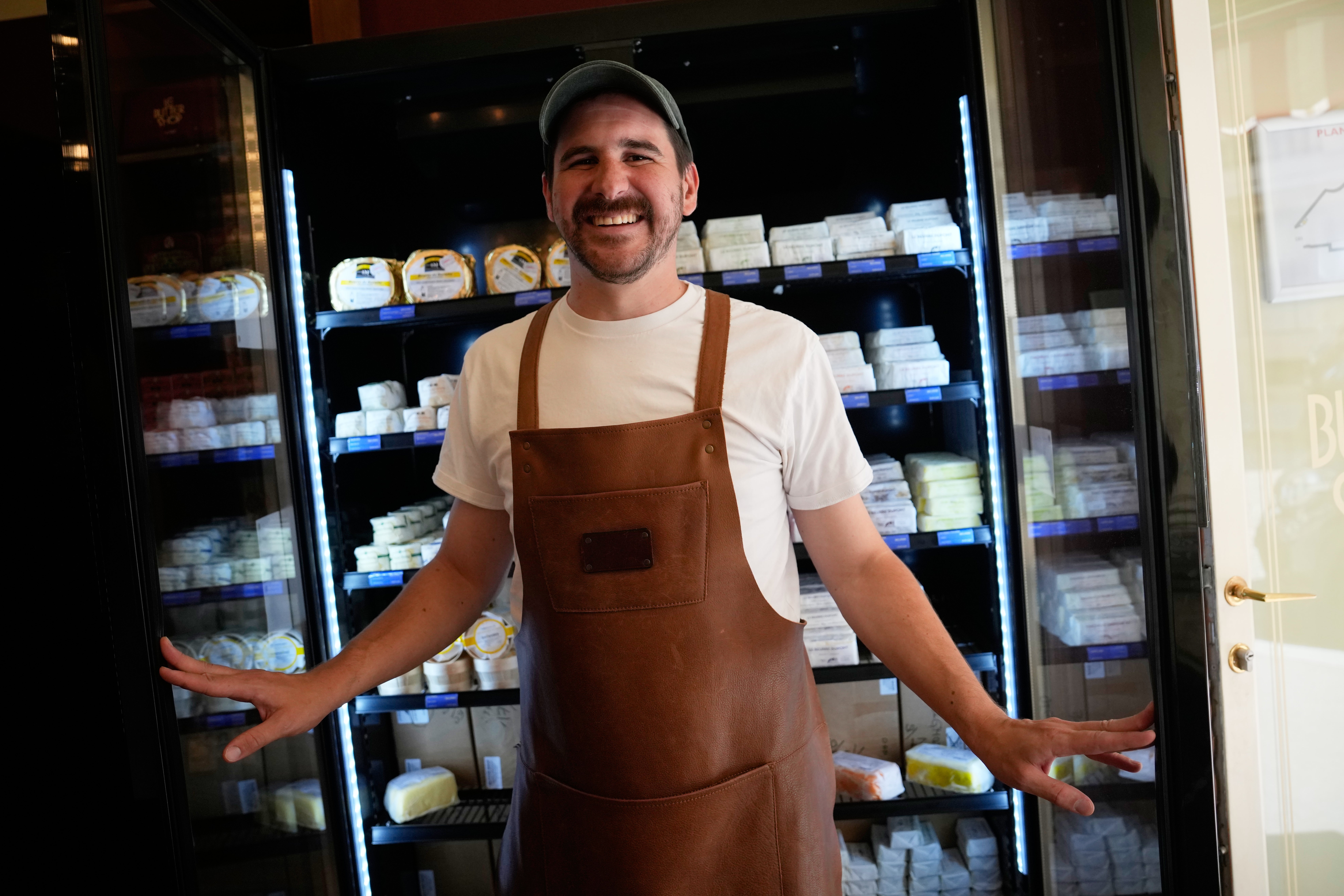
“Most people don’t expect to like a raspberry butter or to like chocolate butter,” said owner Erwan Leo, 34. “And when they try it, this is where they’re just like, ‘Oh wow, OK.'”
Data from the agriculture ministry shows France consumes roughly 8 kilograms (18 pounds) of butter per person annually, placing it among global leaders. Even so, the nation maintains an obesity rate of 14%—notably below the 19% average across developed nations in the Organization for Economic Cooperation and Development.
Leo, who also operates a wine-tasting firm, believes butter ought to serve a similar function as wine by improving meals, adding that “the goal isn’t to get drunk.”
Tourists and locals are curious about the butter
Mehreen Himayat, 25, and Salman Bin Ehsan, 27, traveled from Dublin, Ireland—a nation recognized for its rich golden butter—after viewing social media clips of the store prior to their French trip.
“We came here just to taste the butter,” Bin Ehsan told The Associated Press.
Alexandra Incolano, a 36-year-old resident from near Paris, visited the store with a clear objective.
“I’m getting married on Saturday and I’m going to have a cheese centerpiece,” Incolano said. “I saw on Instagram that they had lots of great butters and I thought it could be a little something extra for my guests, a little surprise.”
The international standing of French dairy is likewise pulling in food industry professionals.
“I know that there’s some of the best butter in France, but I’ve never tried any,” said Aleksandr Balaban, a 31-year-old Estonian chef working in Norway. “I work in Norway, they really like salted butter, and my friend asked me to bring him some French butter as well.”
Leo noted that enjoying rich butter requires following Parisian habits: extensive walking and restraint.
“We don’t go beyond four tartines a day,” he said, referencing the traditional open-faced French sandwich. He explained how sampling butter functions like wine tasting: “You have to grab your spoon, you put it on your palate, on your tongue, it has to melt a little bit, and then the flavors are going to start coming one by one.”
“The Italians choose olive oil, we choose butter,” Leo said. “We learn how to master it.”
The French butter paradox
Local grocers offer butter with distinct terms: beurre doux, demi-sel, and beurre salé, occasionally containing salt crystals. Bakers incorporate it into croissants, while chefs whisk it into culinary sauces.
Butter serves as the essential fat across northern and western French dairy regions, particularly Brittany.
Salt provided preservation prior to refrigeration, and Brittany’s exclusion from the gabelle, an historic salt tax, kept its butter salted while other regions favored unsalted varieties.
That heritage endures in crêpes, salted caramel, and kouign-amann, a regional treat whose Breton name translates to “butter cake.”
Producers supplying Leo churn milk with elevated fat content from selected cows, noting an additional two or three percentage points “really makes a huge difference.”
Popularity driven by social media has led the small store to hire a team of four.
“From day one, it’s been crazy,” Leo said. “Most people come in with wanting to try one or two butters, they end up trying 25 butters because they’re just so curious.”
Future additions could include croissant-flavored butter and violet.
“This is limitless,” Leo said.


