


American food giant General Mills announced on Wednesday that artificial colors have been completely eliminated from its U.S. cereal portfolio, which features popular brands like Trix and Lucky Charms.
To maintain the iconic vibrant hues of its products, the Minneapolis-headquartered manufacturer switched to colorings derived from fruits, vegetables, and natural spices such as paprika and turmeric.
“This achievement reflects how we are evolving with consumer needs while continuing to offer food that tastes great, delivers quality and provides value,” Bethany Quam, General Mills’ president of cereal, said in a statement.
The corporation confirmed that artificial dyes are now absent from 90 percent of its American retail line. Remaining items that still feature synthetic coloring, including Fruit Roll-Ups and select Betty Crocker cake mixes, are set to convert to natural alternatives before the close of 2027.
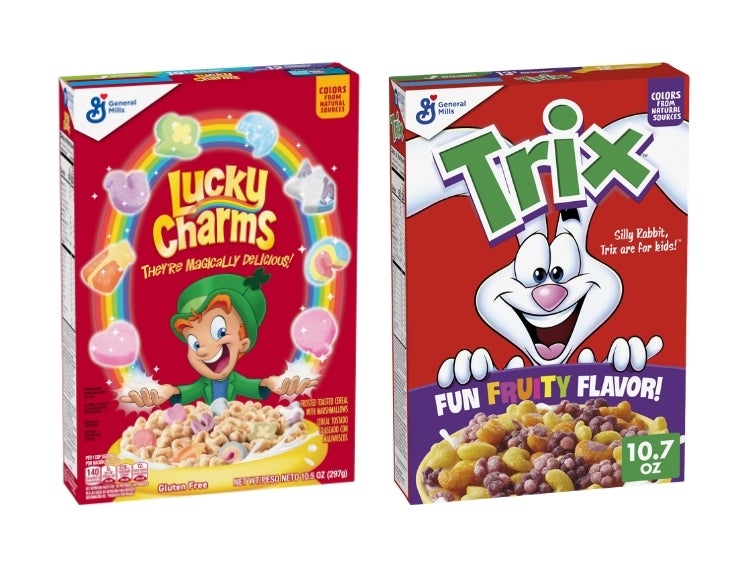
This move makes General Mills the second major manufacturer to abandon synthetic dyes recently, following WK Kellogg—the producer of Apple Jacks and Froot Loops—which stated earlier this month that its U.S. cereal lineup would be free of artificial colors by year’s end.
For years, public health campaigners have pushed for food companies to abandon synthetic additives, pointing to research that links them to neurobehavioral concerns like attention difficulties and hyperactivity in children, though study results remain divided.
According to the U.S. Food and Drug Administration, cleared food dyes are safe and “most children have no adverse effects” when consuming them, though certain individuals may experience sensitivity. Last year, however, the regulator banned the petroleum-derived Red 3 after research indicated potential links to cancer in laboratory rats.
General Mills previously attempted to reformulate Trix without artificial colors in 2015, only to reinstate them two years later after American shoppers complained about losing the cereal’s famous brightness.
Scrutiny from both political figures and the public has intensified markedly since that attempt. President Donald Trump’s health secretary, Robert F. Kennedy Jr., has campaigned for food processors to eliminate petroleum-based dyes, and General Mills entered into an agreement last summer with Texas Attorney General Ken Paxton committing to remove synthetic dyes across all offerings by late 2027.
Major retail chains are likewise accelerating the industry-wide shift. Target revealed plans earlier this year to stop carrying cereals made with synthetic colors by the end of May, while Walmart committed to cleansing its private-label store brands of artificial dyes by January 2027.


