


I have been trying to use less oil while cooking. But I realised that some small kitchen problems become much bigger when you actually do that. Onions were one of them. I would heat the pan, add a little oil and toss in the onions, only to find them sticking to the bottom within a few minutes. Then came the scraping, the extra splash of oil and, sometimes, slightly burnt onions. It was frustrating, especially when all I wanted was nicely softened, golden onions without using too much oil. So I decided to try four different ways to cook them with less oil and see which one actually worked.
Method 1: Using A Non-Stick Pan
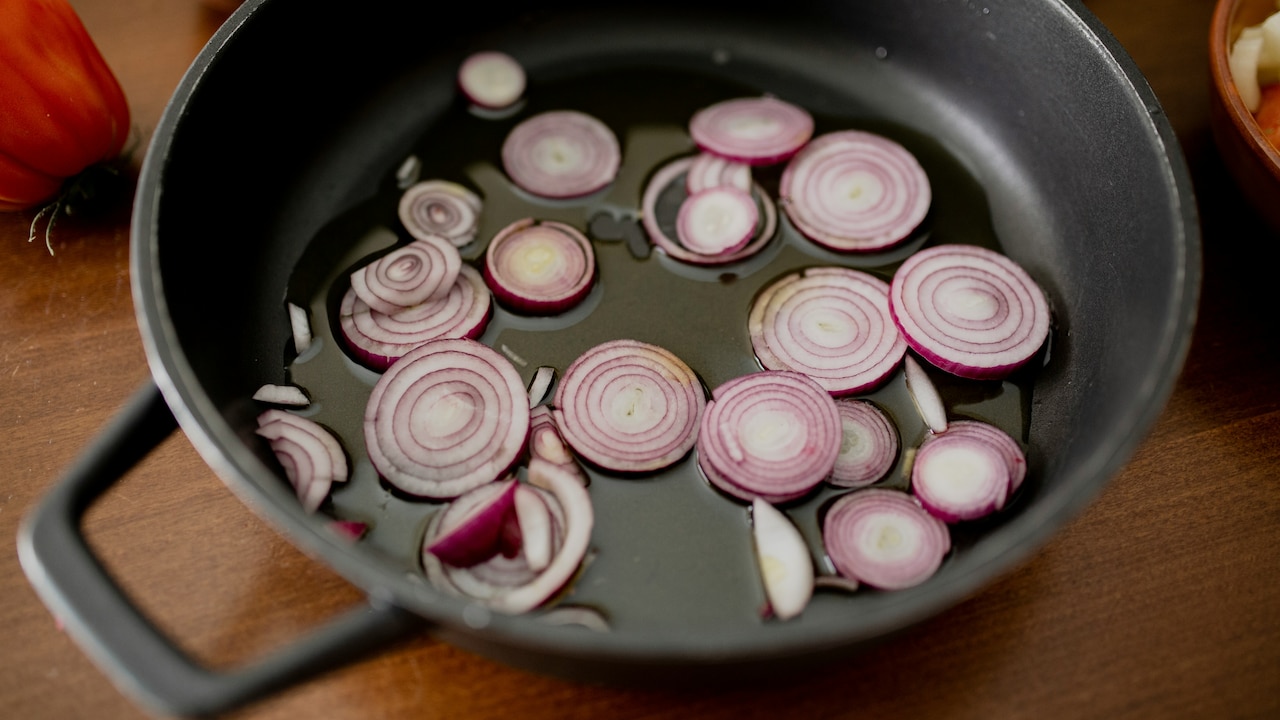
Photo: Unsplash
My first attempt was the most obvious one. If the onions were sticking because I was using less oil, perhaps the pan was the problem.
What I did
I heated a non-stick pan, added about a teaspoon of oil and then put in my sliced onions. I kept the flame on low to medium and stirred them every now and then.
What happened
The onions stayed off the surface much better than they did in my regular pan. They softened nicely and started turning golden without needing much oil.
The only thing I noticed was that I had to be careful about the heat. Once the pan got too hot, the onions started catching at the bottom despite the non-stick surface.
Verdict
Simple and effective, especially if you regularly cook with less oil.
Method 2: Adding A Splash Of Water
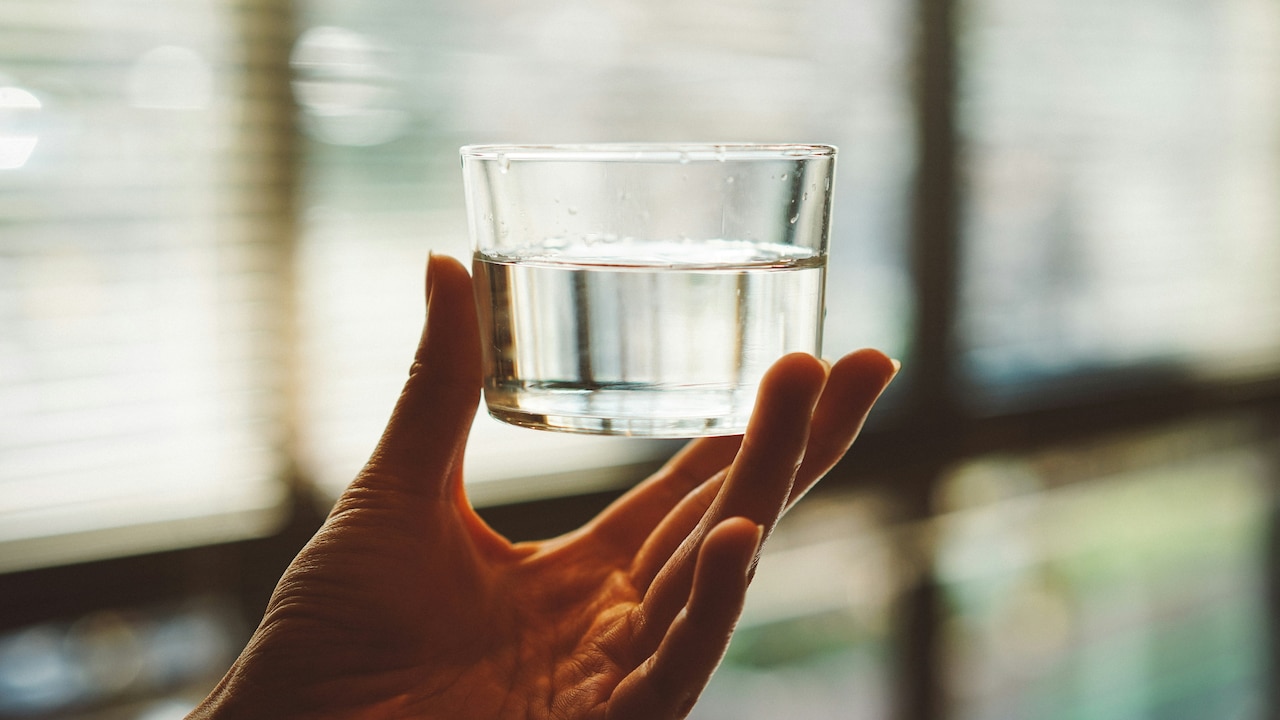
Photo: Unsplash
This was the trick I was most curious about. I had seen people add a little water to onions while cooking them, particularly when they were trying to use less oil.
What I did
I heated a small amount of oil, added the onions and let them cook for a couple of minutes. Once they started sticking, I added a small splash of water and stirred everything together.
What happened
The water loosened the onions almost immediately. They softened without needing another spoonful of oil, and I could continue cooking them without constantly scraping the pan.
I repeated this whenever the onions started catching at the bottom.
Verdict
This worked surprisingly well. It also made the onions softer, which is useful when you’re cooking them for gravies, dals or curries.
Method 3: Salting The Onions Early
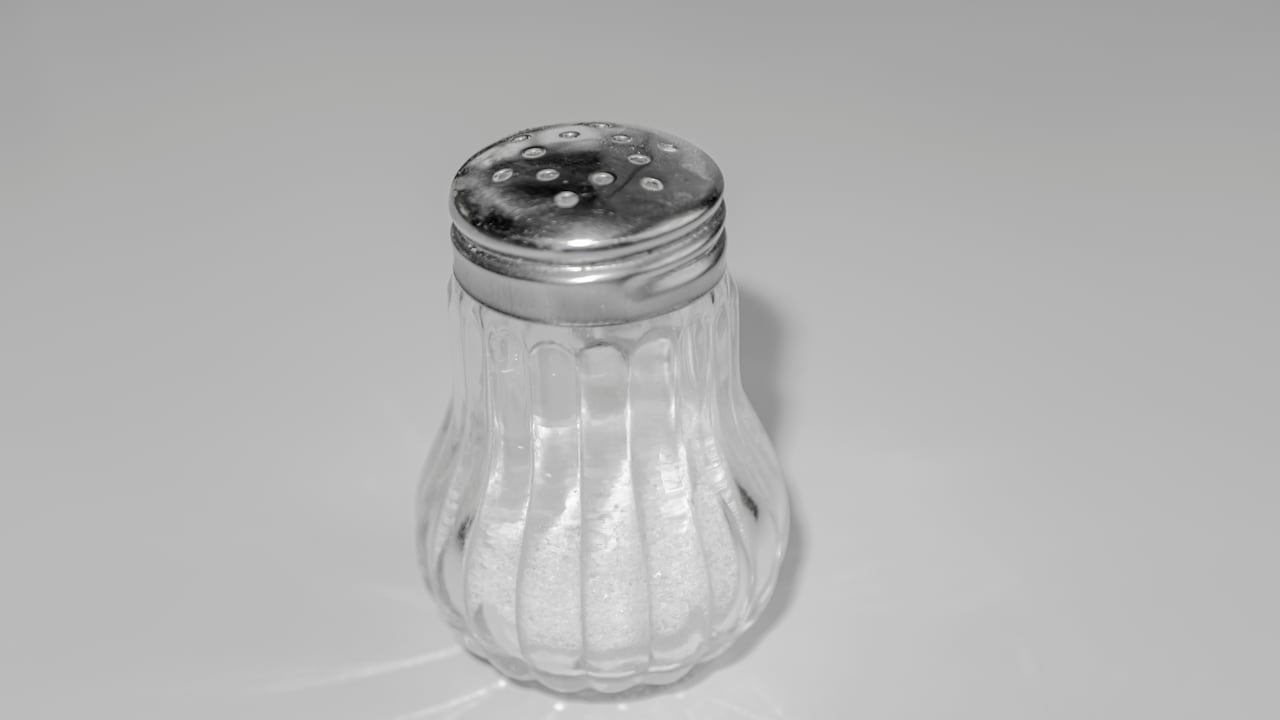
Photo: Unsplash
For the third test, I tried something I had never paid much attention to before: when I added the salt.
What I did
I heated the pan, added a little oil and then put in the sliced onions. I added a small amount of salt almost immediately and mixed everything together.
What happened
The onions released moisture as they cooked and softened fairly quickly. They were less likely to sit dry against the bottom of the pan, so I didn’t have to keep adding oil. I did notice that the onions took a little longer to brown properly, though.
Verdict
Useful when you want soft, cooked onions, but perhaps not the best option if you’re specifically looking for deeply browned onions.
Method 4: Lowering The Heat And Stirring At The Right Time
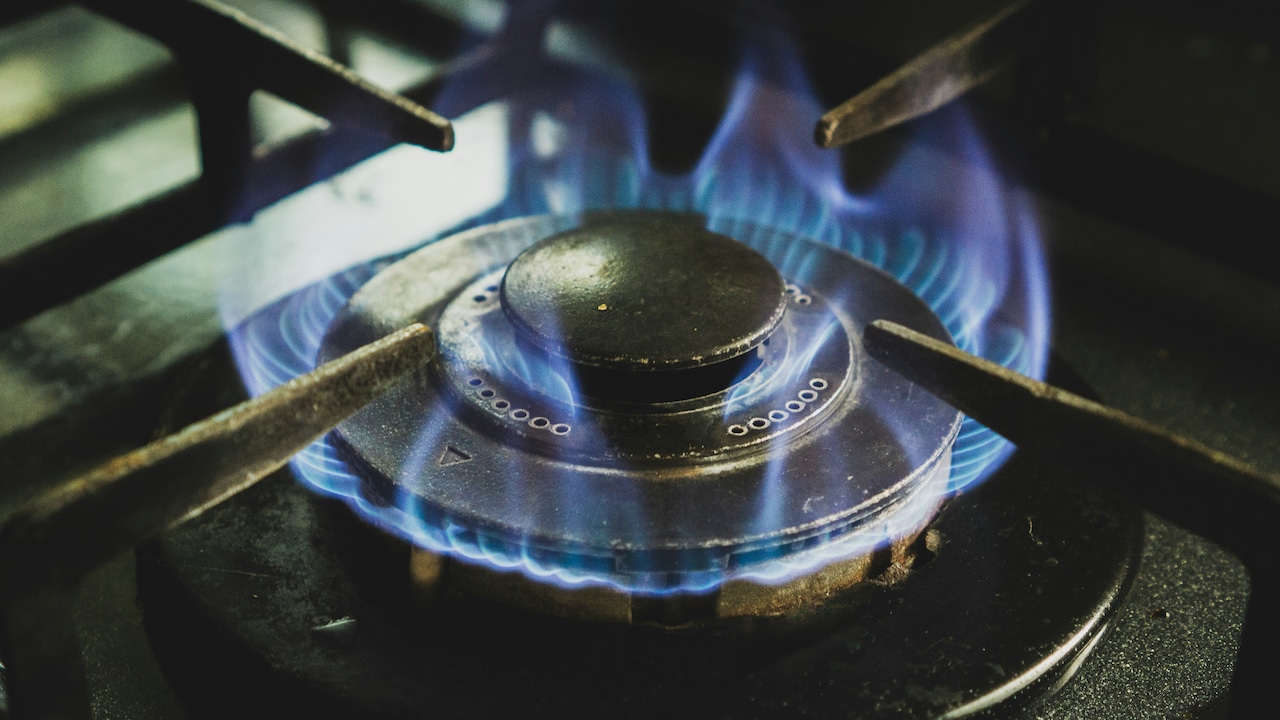
Photo: Unsplash
This was probably the simplest method, but also the one I had been getting wrong.
What I did
Instead of keeping the flame high and constantly stirring, I heated the pan, added a small amount of oil and onions, and then reduced the heat. I let the onions cook undisturbed for a little while before stirring them and repeating the process.
What happened
This made a bigger difference than I expected. The onions had enough time to soften without immediately catching on the pan. When they started drying out, I added a tiny splash of water and continued cooking. The key was not letting the pan get excessively hot. Once the onions started browning too quickly, sticking became a problem again.
Also Read: Chef Vikas Khanna Celebrates 900 Days Of Bungalow With Tribute To AR Rahman
Verdict
This was the most reliable method for me, especially when I wanted to use my regular pan instead of switching to non-stick.
My Final Verdict
After trying all four methods, I found that low heat combined with a small splash of water worked best for me. The water helped prevent the onions from drying out and sticking, while the lower heat gave them enough time to soften properly.
Using a non-stick pan was the easiest option, but I didn’t want to depend on a different pan every time I cooked. Adding salt early also helped, although it was more useful for softening the onions than for browning them.
What I realised from this little experiment is that using less oil doesn’t mean onions have to stick to the pan. The bigger issue is letting the pan become too hot while the onions are still relatively dry. A little patience, lower heat and a splash of water when needed were enough to solve the problem for me. Now, instead of reaching for more oil every time the onions start sticking, I reach for the water.


