


New Delhi:
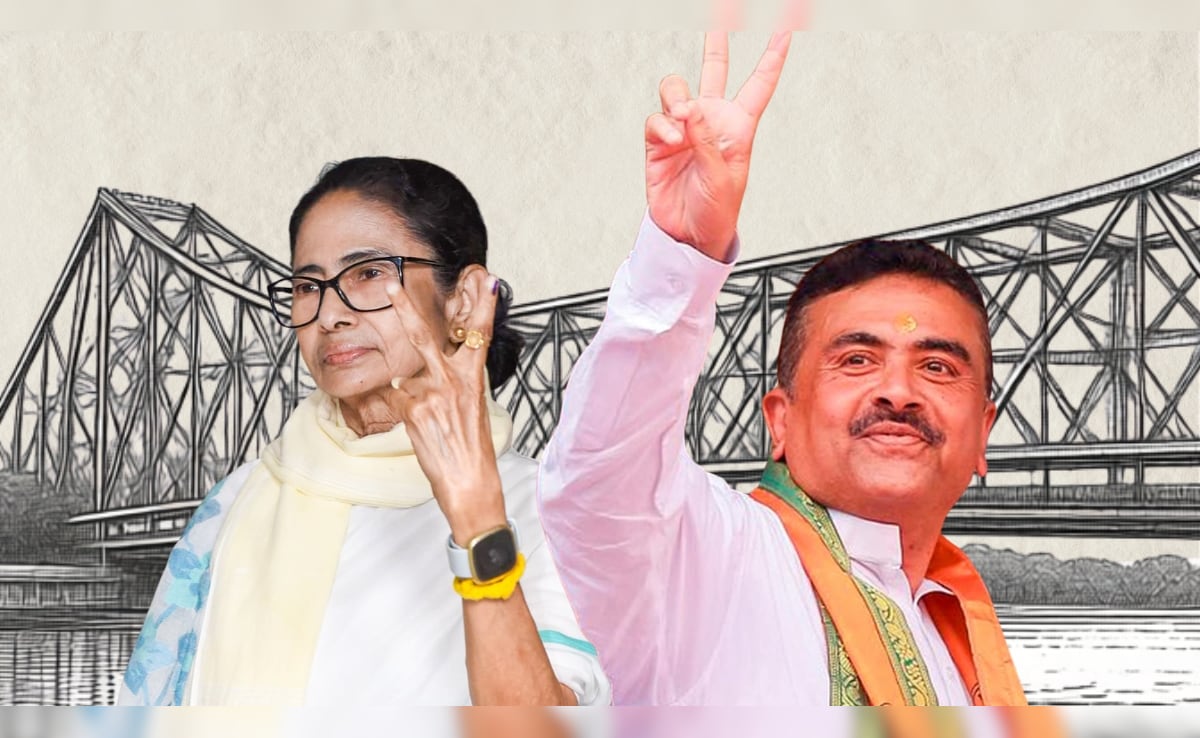
The theme of the current round of assembly polls across four states, it appears, is anti-incumbency. Three of the four states have gone for a change in the most dramatic fashion — Kerala going back to its revolving door system and ushering in the UDF; Bengal discarding Mamata Banerjee and her Trinamool Congress and giving a roaring welcome to the BJP; Tamil Nadu saying goodbye to its five-decade worth of binary Dravidian policy and cheerfully rolling out the red carpet for a political novice oozing star power.
If the results do not veer from the current trajectory, the outcome would be a churning in the Opposition INDIA block, while for the BJP, it would paint a saffron wave that stretches from the northeast all the way to Gujarat.
With two of its most stalwart leaders – Mamata Banerjee and MK Stalin — down in their home states as the Congress manages to wrest Kerala and with luck, engineer an alliance with Vijay in Tamil Nadu, power equations within the Opposition bloc is set to change.
The Congress, which was increasingly finding itself on shaky terrain given Banerjee eyeing its unofficial leadership position, will finally be able to rest easy.
West Bengal
The BJP is on course to win its long-coveted prize – the state that would complete its march in the east.
The party, which had completely rewritten its script for this election – one markedly different from 2021 — is ahead in 206 of the 293 seats in Bengal. The Trinamool is ahead only in 81 – less than half of its massive score of 215 seats in 2021. The votes of Falta — where a repoll took place on account of violence — will be counted later this month.
That anti-incumbency was the driving power in this election was underscored by the unexpected return of the Congress and the CPM — the former is ahead in two seats of Malda and the Left from two seats. The Congress had not been able to open account in 2021 and the CPM won only one seat.
Chief Minister Mamata Banerjee, who lost her Bhabanipur stronghold to aide-turned-BJP-face Suvendu Adhikari by over 15,000 votes, said it was a case of “loot, loot, loot”. “It is an immoral victory. More than 100 seats have been looted, she said, promising that the party will ” bounce back”.
Adhikari expressed his doubts, declaring that the result spelled “Mamata Banerjee’s retirement from politics”.
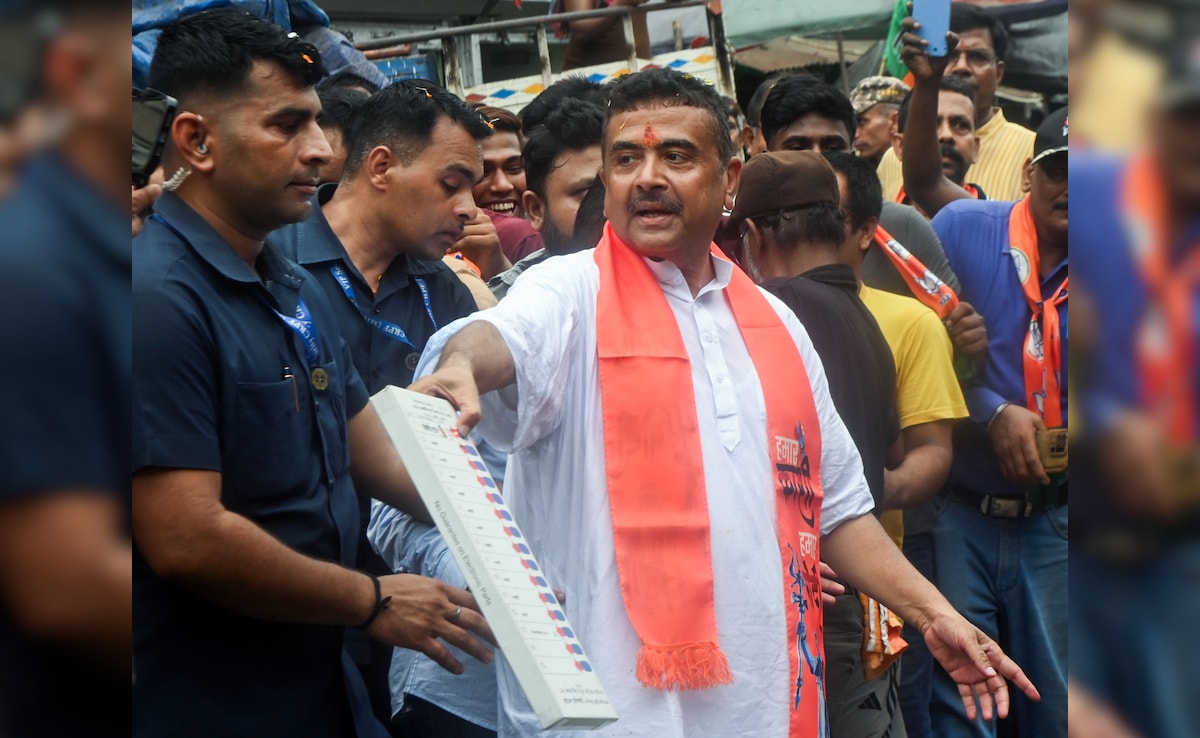
Learning its lesson from 2021, the BJP had neither advanced Trinamool turncoats nor attacked the Chief Minister personally, but quietly fielded sons of the soil and hammered on its promises of development, jobs, local infrastructure and corruption-free governance.
The other big role in this election was that of the Election Commission – which had the twin jobs of Voter Roll Revision and conducting a violence-free poll.
The voter list revisions had pared down the electoral rolls by 91 lakh — the figure includes over 27 lakh voters following adjudication, whose appeals are pending in 19 tribunals. The number is more than 11.6 per cent of the electorate – and bigger than the Trinamool’s 10 per cent victory margin of 2021.
Tamil Nadu
The southern state where the election, as always, was expected to pivot on governance, welfare measures and Hindi imposition, pulled all stops to vote for Vijay. The Tamilaga Vettri Kazhagam or TVK is ahead in 107 of the state’s 234 seats, where the majority mark is 118. The DMK-Congress alliance is ahead in 74 seats and the AIDMK is a distant third, being ahead only on 52 seats.
With Vijay’s TVK falling slightly short of majority mark, the Congress apparently is ready to jump into the breach. Reports say the party – its aspirations for power sharing in the state rebuffed by ally DMK — has sent out feelers to the TVK.
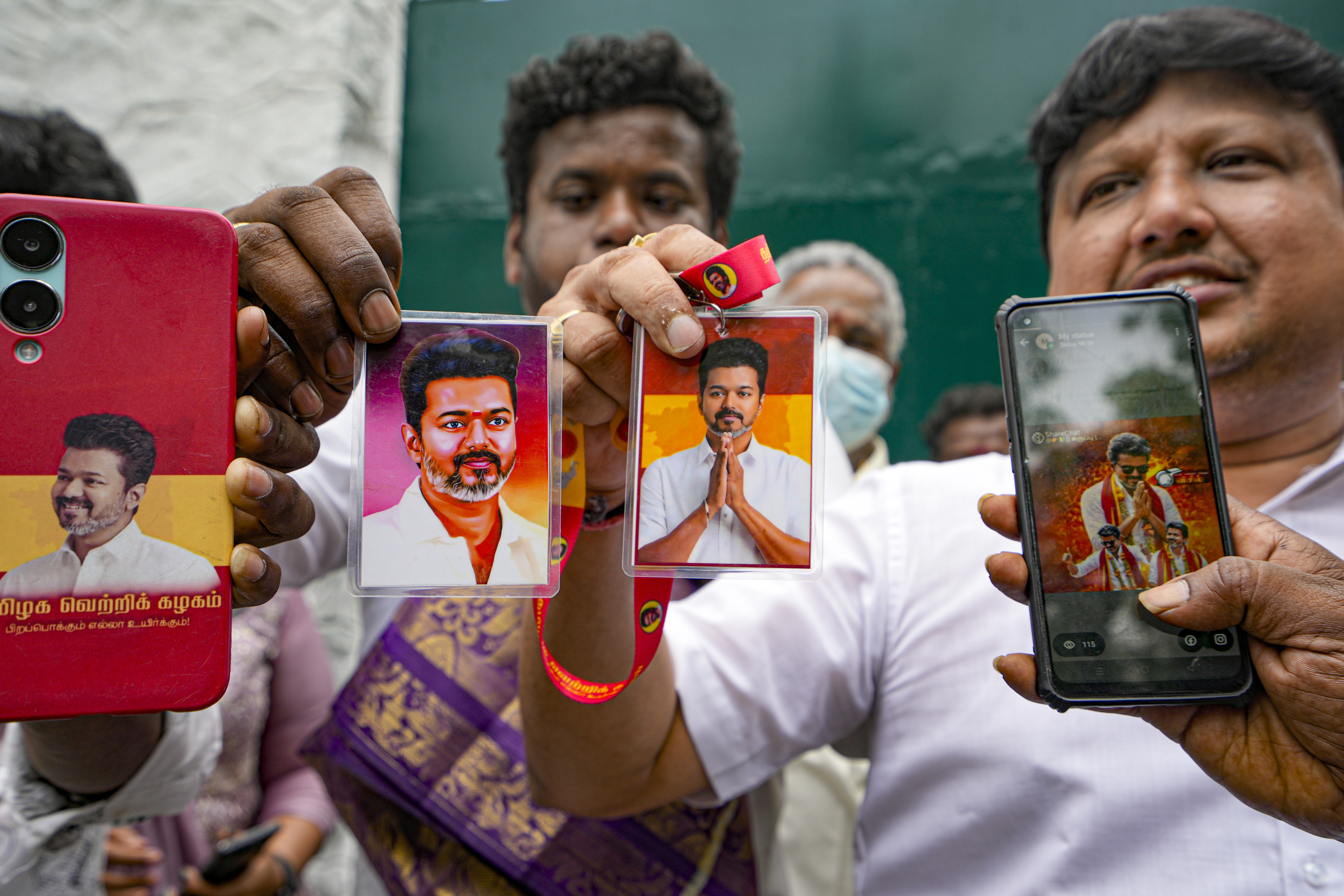
Photo Credit: PTI
Vijay, despite an earlier controversy involving a stampede at a rally in September 2025 that resulted in more than 40 deaths, now stands positioned as a new force in the state’s politics.
While he is potentially joining the lists of earlier actor-politicians like MG Ramachandran and J Jayalalithaa, who transformed their silver screen aura into votes and smoothly transitioned into governance, Vijay, who lacks a background of political apprenticeship of either, has been able to tap into the youth’s aspiration for a change from inherited politics and old faces and beginning with a clean slate.
Kerala
Kerala, the country’s most literate state and the initiator of the revolving door mandate, has gone back to its default mode after a term of deviation. The state has brought in the Congress and shown the door to the Left-led LDF.
In the process, it has brought about a historic change – cutting the ground from under the feet of the Left. For the first time in 77 years, the CPM does not have a state to rule, its bastions Bengal and Tripura already history.
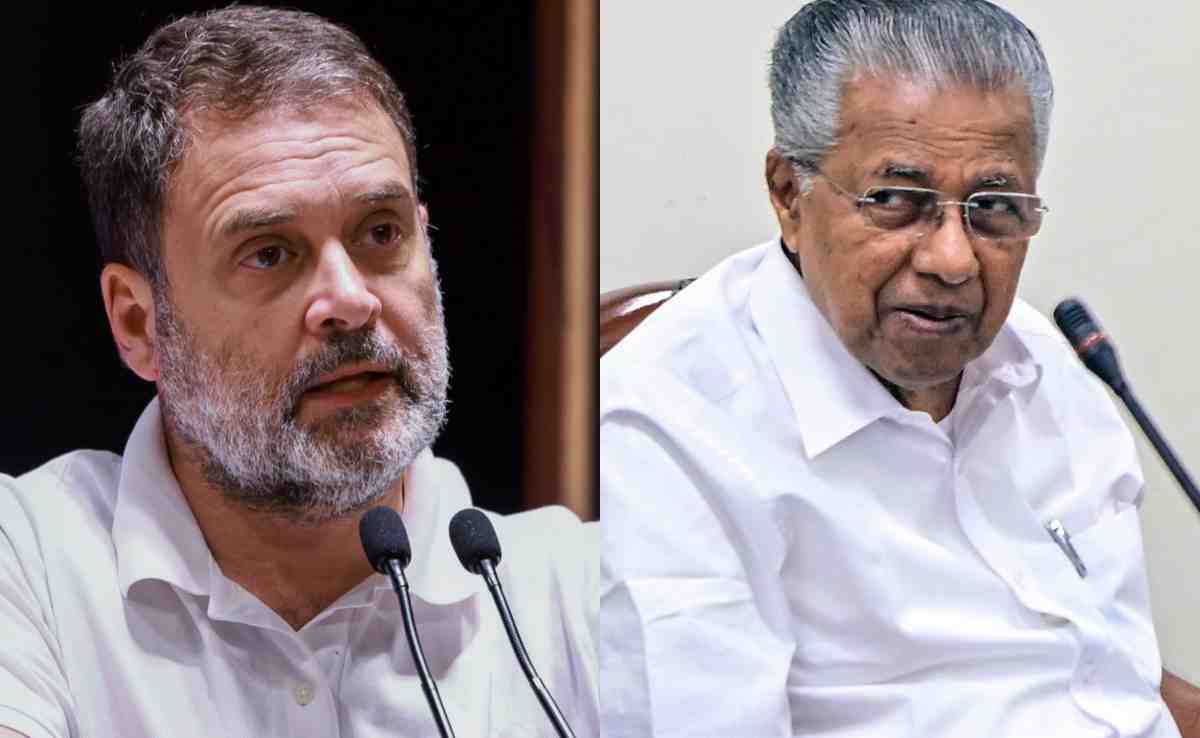
The election was seen as a referendum on the rule of Pinarayi Vijayan, who was hailed as the party strongman after the 2021 victory. What also brought the Left bloc to its knees is the factionalism that saw three key leaders changing camps on the eve of the election.
The UDF won 89 of Kerala’s 140 seats, where the majority mark stands at 71. The LDF was a distant second with 35 seats – a huge drop from the 92 seats it won in 2021. The BJP has also expanded its niche, winning three seats in the state.
Assam
In Assam, Chief Minister Himanta Biswa Sarma led the BJP to a third consecutive term in a vote that stands strongly for consolidation. The ruling alliance won 102 of the state’s 126 seats, vaulting comfortably over the majority mark of 64. The Congress could only scrape up 21 seats, a big drop from its 2021 score of 31. Badruddin Ajmal’s AIUDF (All India United Democratic Front) could win only two seats, down from 16 in the last election.
Akhil Gogoi-led Raijor Dal, part of the opposition alliance, won two seats and the Trinamool Congress bagged one.
The real test for the BJP was whether the party managed to achieve majority on its own in the state assembly. But this was a barrier the party crossed with ease.
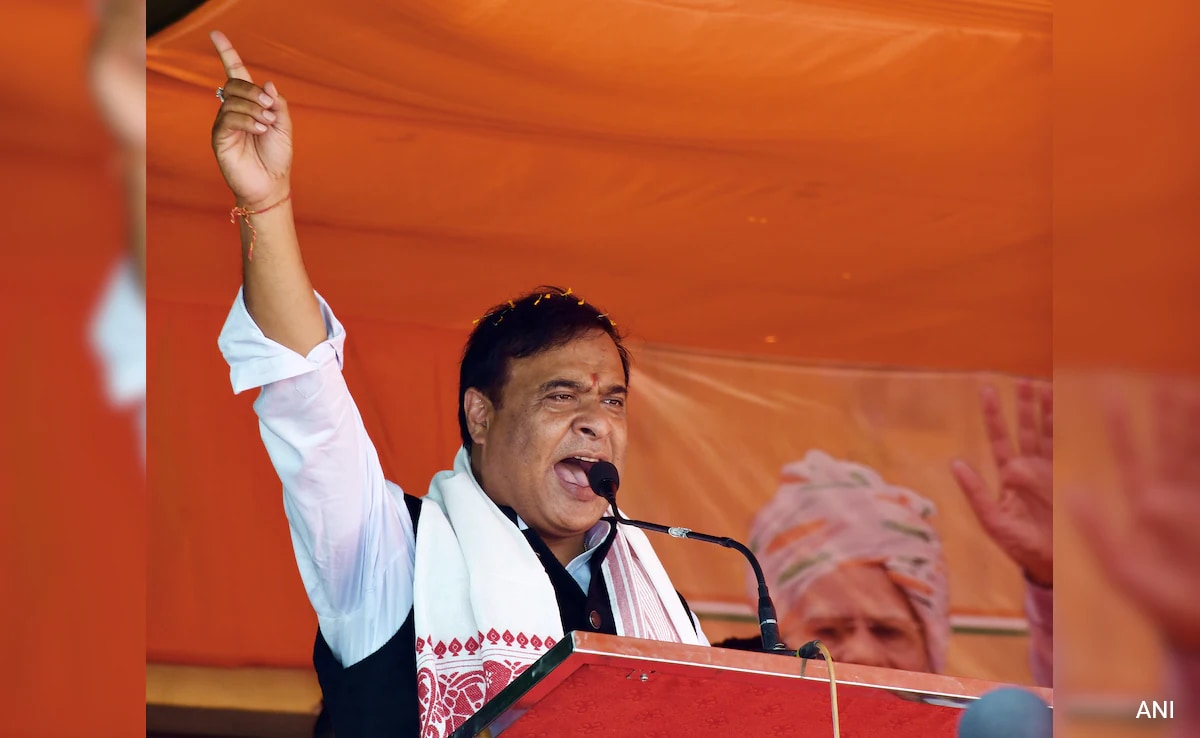
The BJP won the 2016 and 2021 polls in alliance with the Asom Gana Parishad. This time, the party won 82 seats. The AGP won 10.
In a stunning upset, Congress’s state chief Gaurav Gogoi lost the Jorhat constituency to BJP’s Hitendra Nath Goswami by a margin of 23,182 votes, marking a symbolic end to the Gogoi family’s undisputed influence in Upper Assam.
Puducherry
Trends in Puducherry, which has a 30-member assembly, show the BJP and ally All India NR Congress ahead in 17 seats – one up from its 2021 score of 16. Of these, the AINRC alone has gained nine seats. 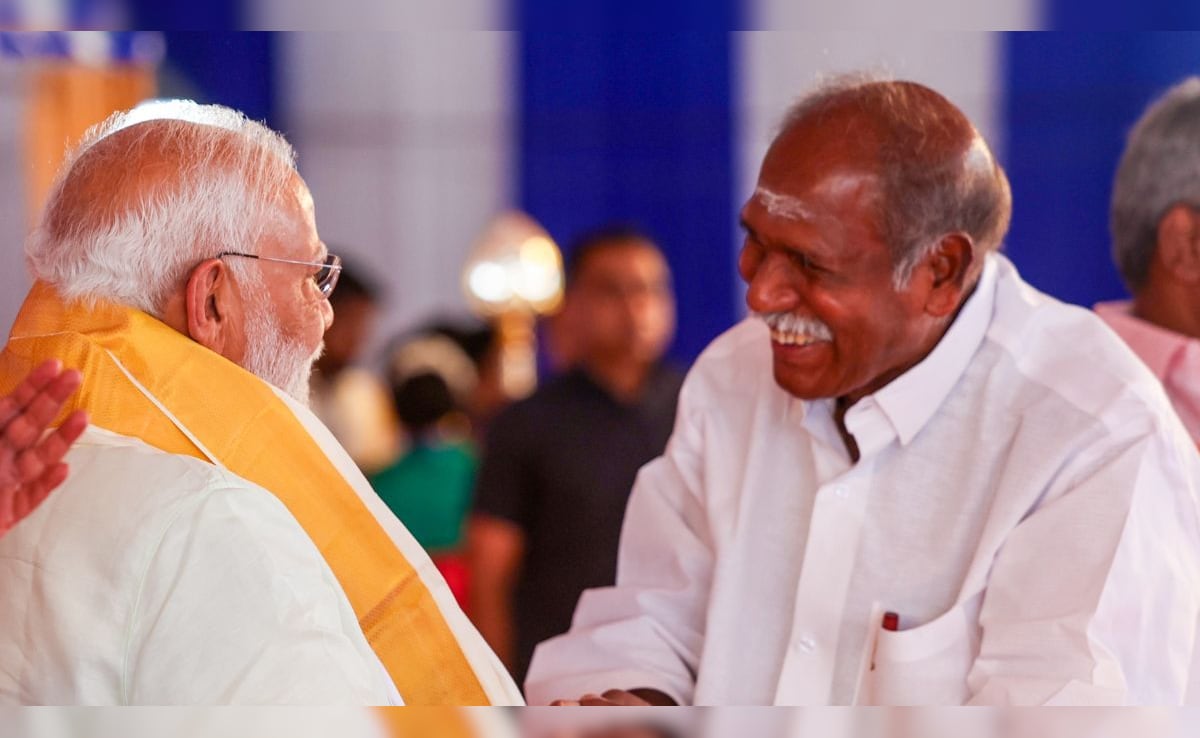
Chief Minister N Rangasamy has secured a remarkable victory from the Thattanchavady constituency.
The Congress is ahead on six seats and Vijay’s TVK in three.



