


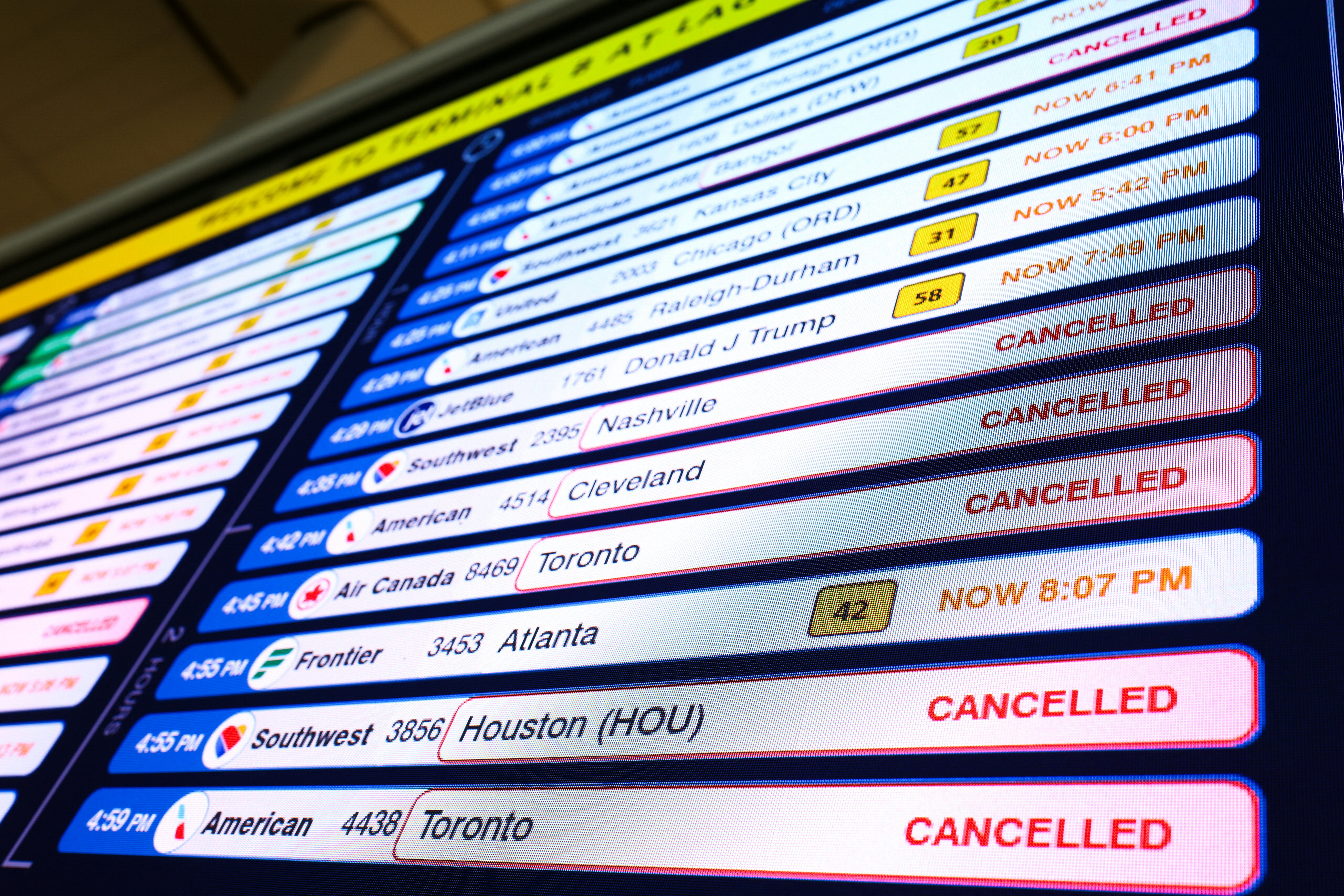
President Donald Trump’s administration is changing a Biden-era policy that protects travelers from losing money on flight delays and cancellations.
At present, flight disruptions can be tracked by the federal government, and the blame falls into one of four categories: Air carriers, extreme weather, the National Aviation System, security and late-arriving aircraft, according to The Hill.
When a flight is disrupted, the cause of the disruption is evaluated. Under the Biden administration’s FAA Reauthorization Act of 2024, the Department of Transportation required airline carriers to refund travelers whose flights were cancelled or significantly delayed.
Now, the Trump administration is exempting the airlines from 10 types of flight disruptions that it seems “not within their control,” according to the Department of Transportation.
Those ten cancellations or delays which can no longer be blamed on the airline include:
1. An aircraft that must be cleaned following the death of a passenger.
2. An aircraft is damaged by extreme weather, foreign object debris or sabotage.
3. A baggage or cargo loading delay is caused by an outage of a bag system that isn’t controlled by an airline or one of its contractors.
4. A cyberattack causes the disruption and the airlines are in compliance with federal cybersecurity regulations.
5. A shutdown or system failure of government systems occurs that directly affects the ability of an airline to safely conduct flights and that is not expected.
6. A plane’s brakes are overheated due to a safety incident in which emergency procedures were used.
7. Unscheduled maintenance that must be addressed before the next flight is necessary.
8. An emergency requiring medical attention that the airline has no control over occurs.
9. An unruly passenger must be removed from a flight.
10. An airport closes due to volcanic ash, wind or wind shear.
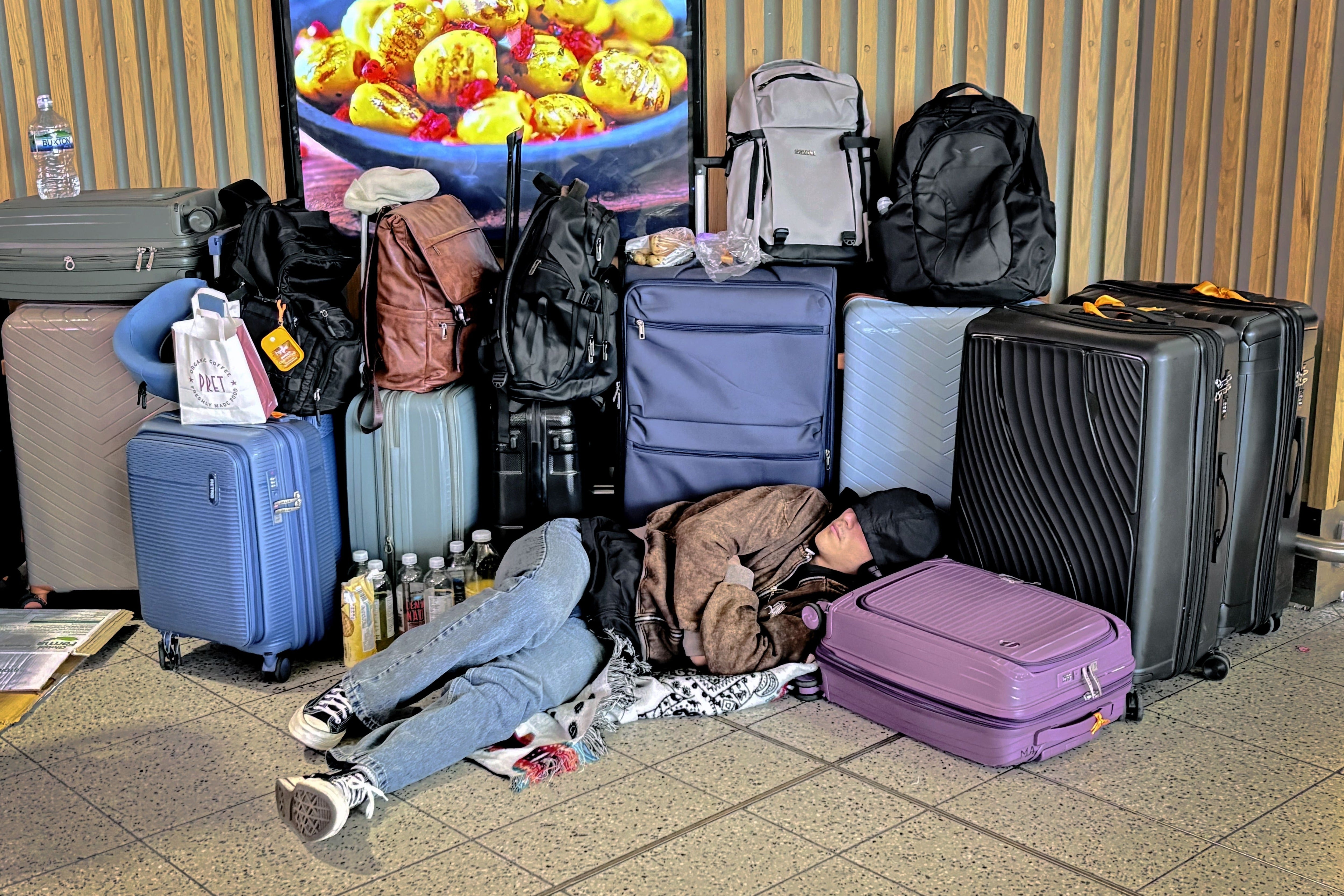
According to the DOT, the changes will help the airlines save money and avoid reputational blows over incidents the companies cannot control.
A DOT spokesperson said that by “[reducing] the negative reputational impacts and harm that air carriers currently experience because the attribution of certain delay and cancellation causes to air carriers that this rulemaking addresses as not within their control.”
While the airlines may end up saving money, travelers may not.
Clint Hernserson, the managing editor for The Points Guys, a company that helps tourists make the most of their travel points, told Nexstar that the new policy is likely to make it more difficult for travelers to receive refunds when their flights are cancelled or delayed.
“This is quite a big blow potentially for customers,” he said.
He pointed to the exemption for unscheduled maintenance, saying that exemption felt particularly egregious.
“The one that is especially outrageous to me as a consumer advocate is that if a plane goes mechanical or has maintenance issues, that is no longer considered a reason the airline would give you compensation,” he said.
He said that passengers will have to be “much more aggressive in researching delays and cancellations” if they want to protect their pocketbooks ahead of flights.
“If the airline tells you it’s ‘mechanical’ or ‘operational,’ you’re going to need to do more research…ask exactly what the issue is and document everything. Save emails and take screenshots. Save receipts,” he said. “Don’t accept vague language. Finally, ask for what you want. Even if the answer is no, you have fought for yourself.”
The DOT has even acknowledged that the new rule would likely reduce “the total value of amenities and compensation currently provided by air carriers to consumers.”


