


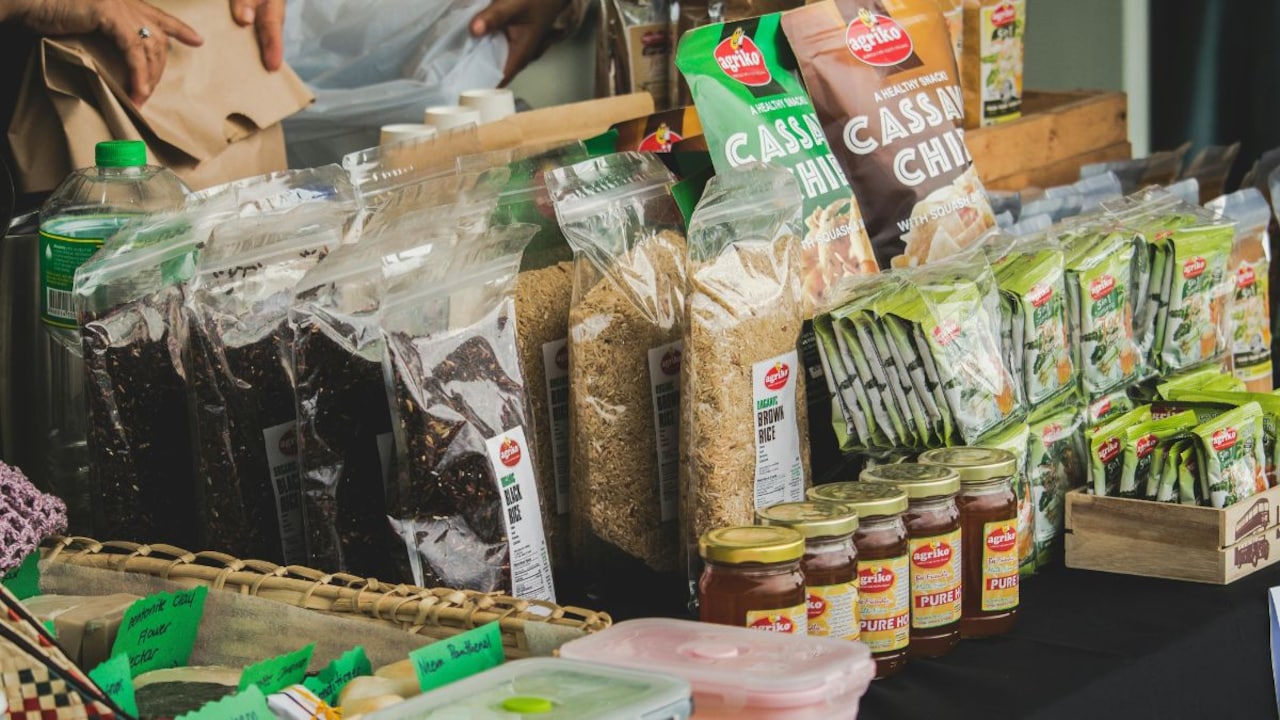
The Uttar Pradesh Food Safety and Drug Administration (FSDA) has directed businesses to carry the actual date they were manufactured or processed, not when they were repackaged.
This comes after food safety officials found products manufactured and stored for months before being repacked into smaller packets. In some cases, the date of repacking was mentioned on the product instead of the original manufacturing date.
Under the new rule, food companies must print the actual manufacturing or processing date on the product label. This is important because the shelf life of a food item is counted from the day it was made. The date when it is packed again does not change the product’s original shelf life.
Also Read: How A Kerala Homemaker Turned Coconuts Into A Rs 20 Lakh-A-Month Global Business
“The issue becomes more significant when such products are subsequently used as ingredients in other food items. Without the original manufacturing date, it may be difficult to establish whether the product is still within its prescribed period of use,” a spokesperson for FSDA told The Indian Express. “The decision has been taken referring to the provisions concerning food safety, consumer interest and public health under the Food Safety and Standards Act, 2006.”
The department added that the new measure will make it easier to track food products from the time they are made until they reach consumers. It will also give people clearer information about how old a packaged food item is and how long it can safely be used.
The UP government has also launched a campaign called Shuddh Hi Shubh Hai. As part of the campaign, officials will focus on both food-making companies and places that serve food.
The department has started checking food courts and outlets in Noida, Lucknow and Gorakhpur. During the busy festive period, the government plans to reduce the sale of artificial or poor-quality food products.
Also Read: MBA Graduate Left Her Corporate Job To Start Capsicum Farming, Now Earns Rs 4 Crore
“Under the campaign, luxury hotels, large restaurants, bakeries, sweet shops, dhabas, industrial canteens, outdoor caterers, food courts and small street food vendors are being inspected. Amid rising demand for food, a watch will also be kept on the use of substandard ingredients and unnecessary artificial additives,” an official told The Times of India.
Through the campaign, food businesses will also be made aware of proper storage of food, using safe packaging materials and keeping food at the right temperature. They will also be advised to use clean water and maintain good hygiene in their kitchens.


