



Want to bookmark your favourite articles and stories to read or reference later? Start your Independent Membership today.
Already a member?
Log in
America’s aging air traffic control network continues to face widespread disruptions because it relies on outdated telecommunication systems, obsolete Compaq computers, and replacement components bought on eBay.
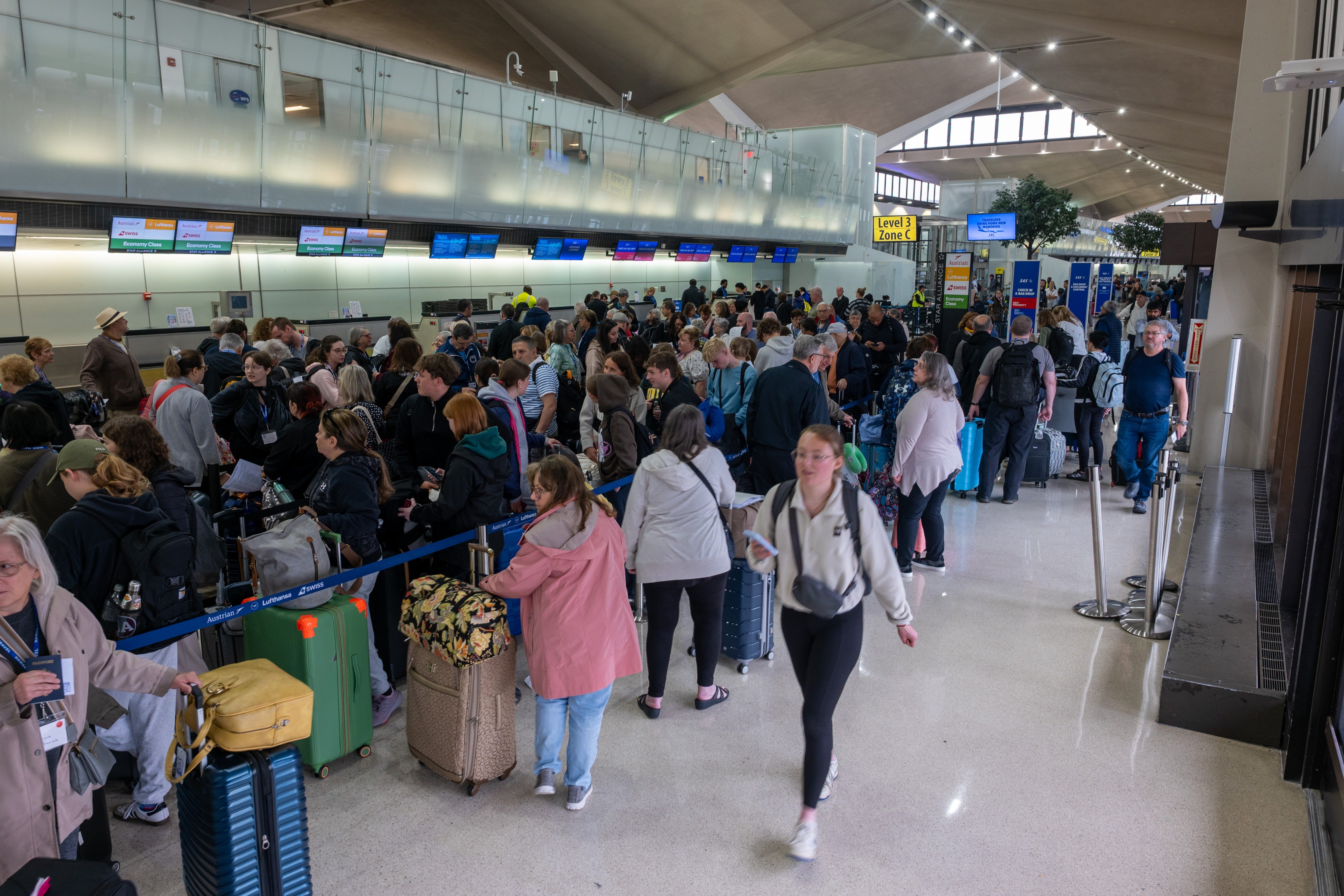
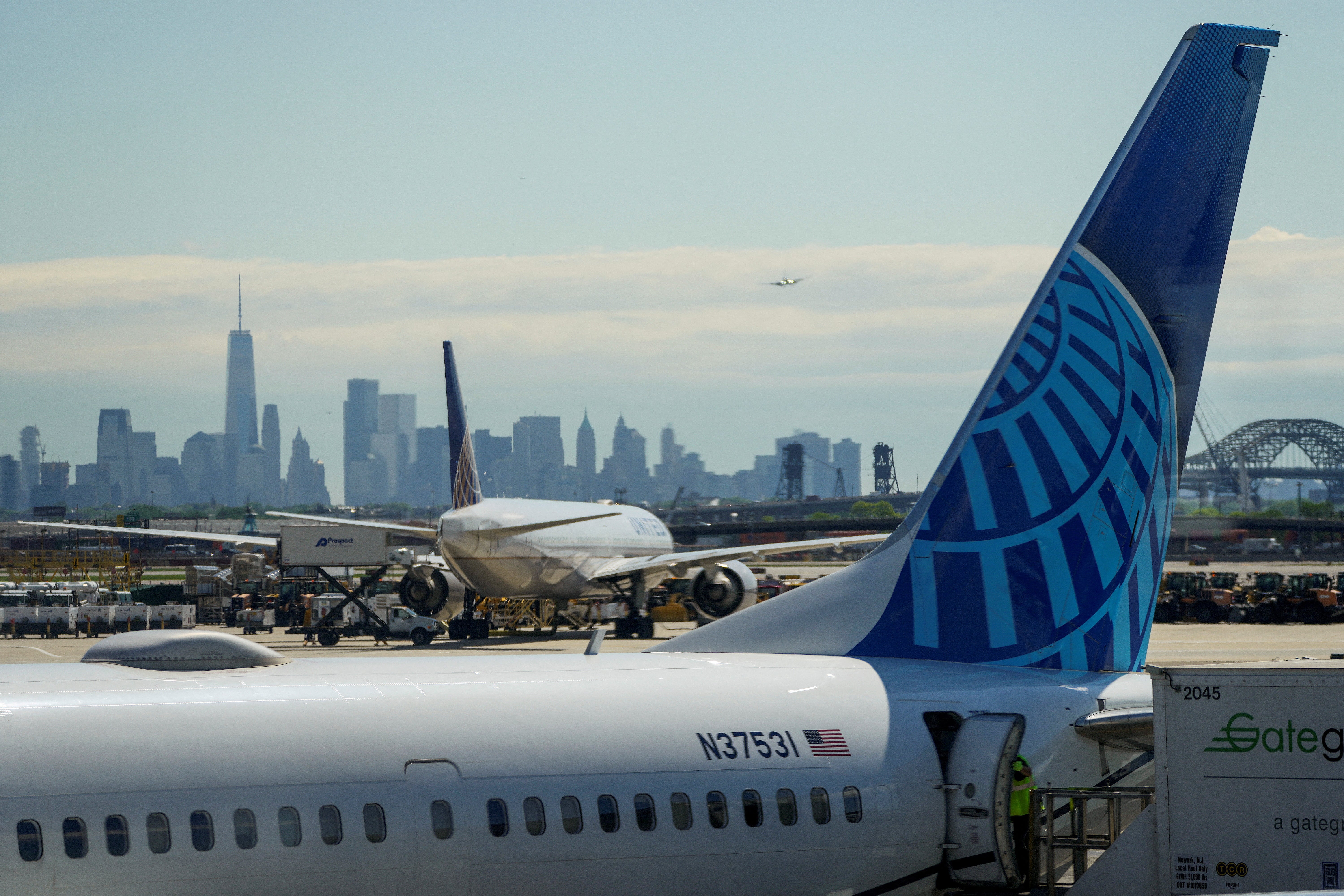
In the latest example of these technical vulnerabilities, thousands of flights across the heavily populated Northeast were delayed or canceled on Monday after dual failures: a circuit breakdown at a Philadelphia air traffic facility and a fiber-optic line severed by a construction crew near New Brunswick, New Jersey.
“The architecture of our telecom is still a 40-year-old architecture, which means you could have a switch go down and a line be cut yesterday and the Northeast goes down,” U.S. Transportation Secretary Sean Duffy said on Tuesday.
The recent disruption shows how fragile the national air traffic control network has become after decades of delayed modernization, inadequate funding, and fragmented temporary fixes.
Despite billions of dollars spent or approved, the Federal Aviation Administration remains dependent on legacy, incompatible equipment that can turn a single component breakdown or severed cable into widespread travel chaos—a risk officials warn will persist without a far larger structural overhaul.
In January 2023, every departing flight across the US was grounded for the first time since the September 11, 2001, terrorist attacks when a contractor accidentally erased computer files associated with a vital pilot messaging database. The resulting outage impacted 11,000 flights before technical teams resolved the issue.
In September 2025, a telecom failure triggered by a contractor cutting fiber lines disrupted communication systems at two Dallas-area airports, resulting in delays for more than 2,000 flights and hundreds of cancellations, affecting 100,000 American Airlines passengers alone.

A series of significant technical problems prompted Congress last year to approve $12.5 billion to modernize national air traffic control systems. On Tuesday, Duffy stated that he is seeking an additional $30 billion to complete facility repairs and finish overall system upgrades.
“These incidents will continue to happen unless we get the resources and actually build the architecture fit for the 21st century,” Duffy said.
Across the Atlantic, Britain has similarly experienced major air traffic control outages this month, leading commercial airlines to openly question the overall resilience of its systems.
The FAA has been forced to utilize 3D printing techniques or search eBay listings to acquire replacement components for its legacy equipment. In several other instances, the agency can no longer procure spare parts.
In 2024, the Government Accountability Office reported that the FAA must take “urgent action” to address its aging air traffic control network, warning that one-third of existing systems are unsustainable.
The agency’s more than 300 air traffic facilities cannot communicate directly with one another and run on isolated analog computers. “Every facility is a silo,” FAA Administrator Bryan Bedford told Reuters in a recent interview. “We’re behind 20 years.”
Bedford explained that FAA control towers effectively run on individual Compaq computers. The computer brand, acquired by HP, stopped manufacturing hardware in 2013.
The agency also continues to rely on legacy telephone networks and three telecom systems that lack interoperability, sharing a “clunky connection” that regularly forces flight delays, Bedford noted.
Simultaneously, the US manages the world’s most complex airspace while navigating a chronic workforce shortage of several thousand air traffic controllers.
A major technological transition is expected in late 2027, when air traffic control moves from analog to digital communications. The FAA then plans to shift facility operations from individual computers to cloud infrastructure.
The FAA has attempted to modernize its aviation infrastructure for decades, but those initiatives have consistently fallen short of expectations.
In 1982, the agency published its first comprehensive master plan to improve air traffic control services, estimating it would cost roughly $10 billion through the late 1990s.
By 1995, the Government Accountability Office reported that estimated costs had escalated to at least $36 billion in the push to consolidate facilities and standardize computer hardware and software systems.
Another overhaul project named “NextGen,” launched in 2004, was initially budgeted at $15 billion. However, a report last year revealed it suffered extensive delays and cost overruns while delivering a less ambitious outcome than envisioned more than 20 years ago.
“FAA has delivered a delayed, over budget, and less transformational NextGen than originally planned,” said the Transportation Department Office of Inspector General.
The agency has also worked for years to phase out a long-criticized, decades-old practice where air traffic controllers track aircraft using paper flight strips.
The transition to modern digital tracking at 49 major airports began in 2022 but will take the agency until at least 2028. The FAA noted that 18 major airports have successfully phased out paper strips so far.


