



Want to bookmark your favourite articles and stories to read or reference later? Start your Independent Membership today.
Already a member?
Log in
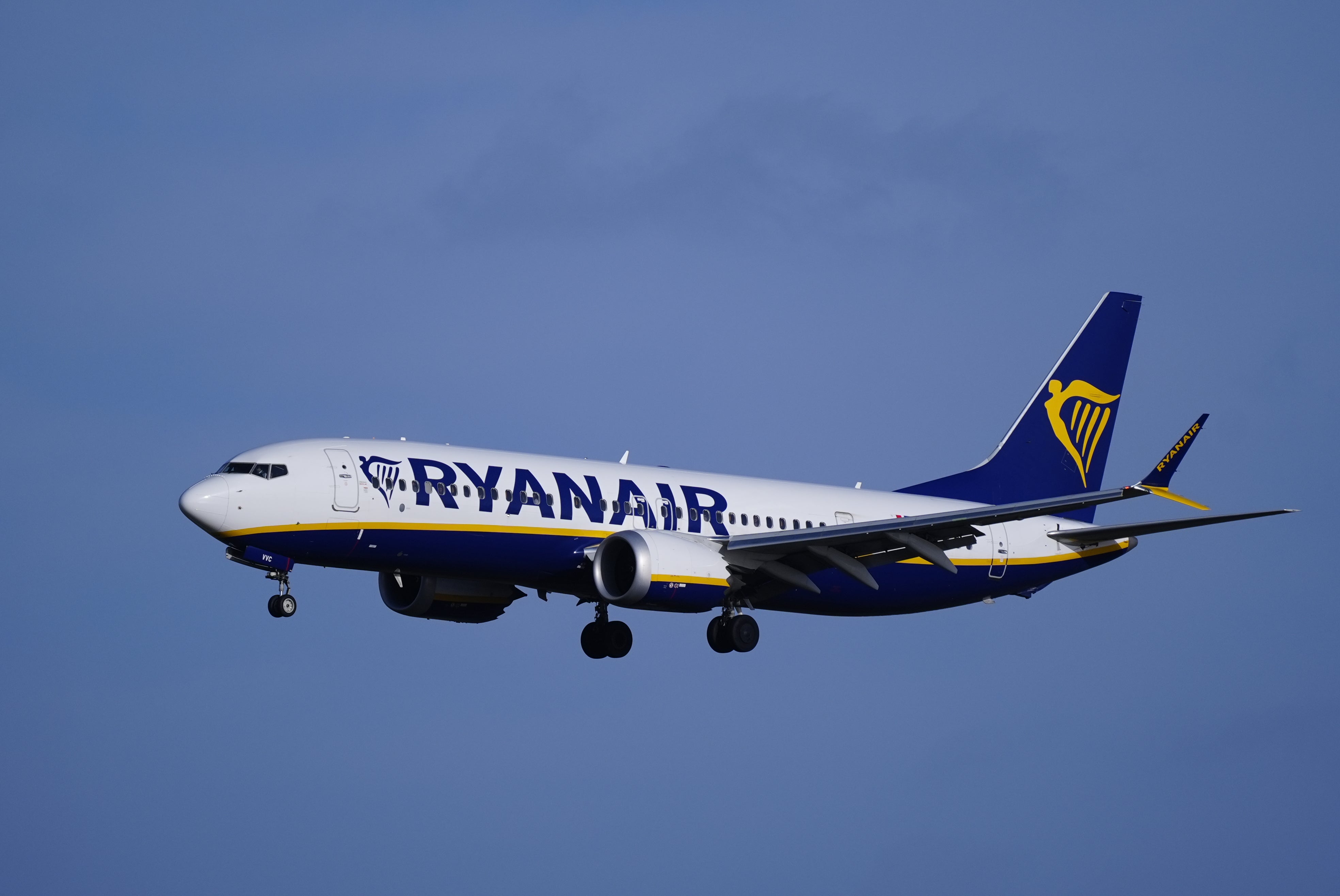
A Ryanair flight issued an emergency mayday after being unable to land during a storm and coming within 10 minutes of running out of fuel, it has been revealed.
The Boeing 737 flight was forced to abandon two landing attempts in Glasgow and Edinburgh. It then re-diverted to Manchester, where the plane landed “significantly below the final fuel reserve”.
Carrying 171 passengers and six crew members, the flight from Pisa triggered windshear warnings – which signal a sudden, dangerous change in wind speed or direction – before landing after nearly four-and-a-half hours in the air during Storm Amy in October 2025.
An Air Accident Investigations Branch report has now revealed that the pilots did not consider diverting to a nearer airport, such as Newcastle, due to the stress of the situation.
It also concluded that there was a “breakdown in communication” within Air Traffic Control, which should have allowed the flight to divert sooner.
The Ryanair flight was scheduled to fly from Italy’s Pisa International Airport to Prestwick Airport near Glasgow on 3 October.
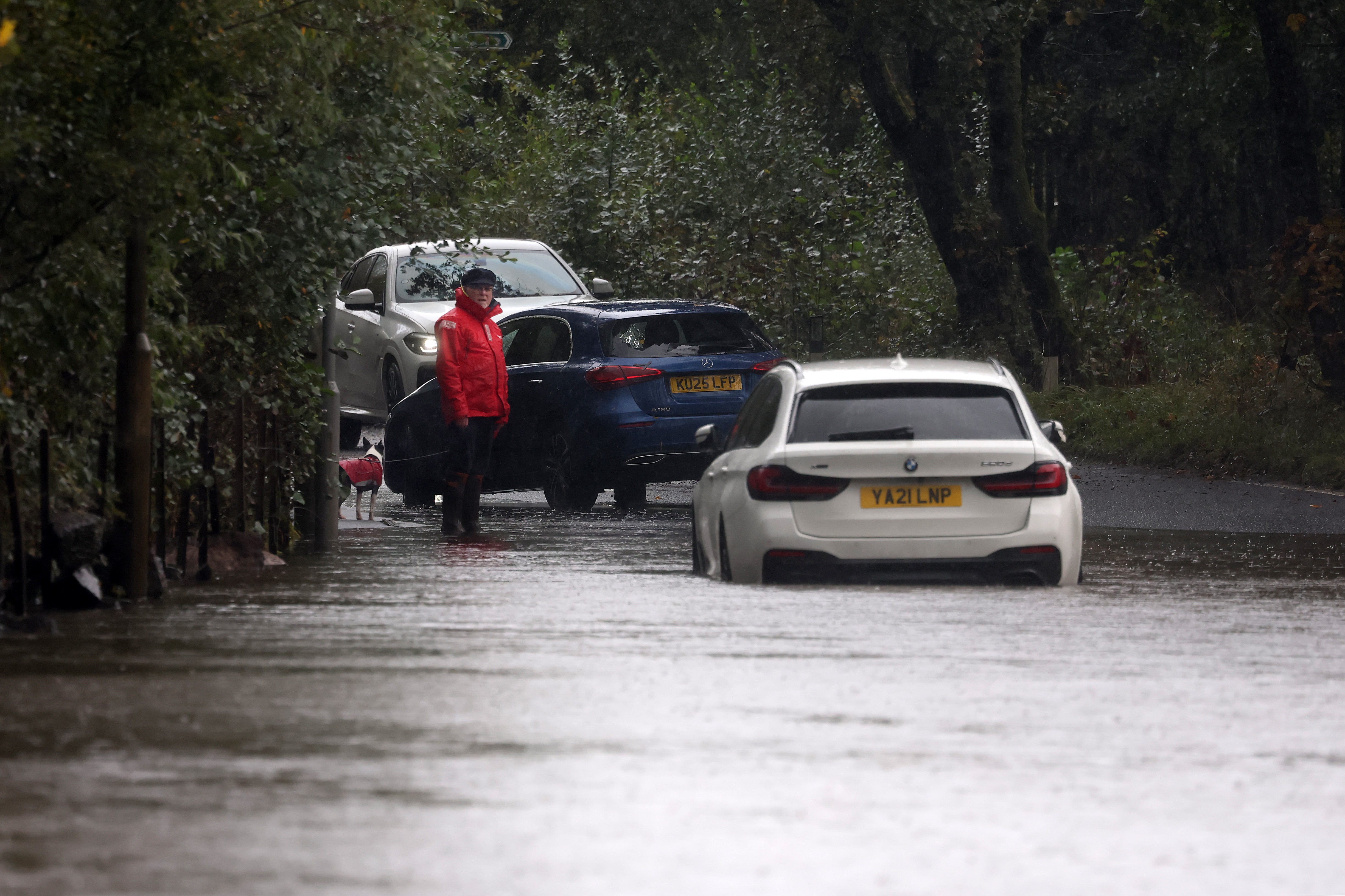
At that time, Storm Amy, a major cyclone, was lashing the UK with prolonged rainfall and gale-force winds.
The previous day, Ryanair had issued a storm pack with information about the potential impact of the forecast weather. There were also email reminders on the day.
The crew were aware of the potential disruption and they took on additional fuel, as they anticipated they would need to use the shorter of Prestwick’s two runways due to the longer one being affected more greatly by the winds.
They agreed that they could use Manchester Airport as an alternative landing site due to the more favourable weather conditions.
The flight was due to depart at 2.15pm but was delayed nearly one-and-a-half hours, although the initial part of the flight was uneventful.
The surface winds at Prestwick were around 33mph, with 52mph gusts, and both pilots commented on the turbulence on the approach, the report showed.
When they were 264 feet above the ground, a windshear warning was triggered, with a two-tone siren and a “WINDSHEAR, WINDSHEAR, WINDSHEAR” voice message.
This led to an escape manoeuvre. and the pilots held the plane over the airport.
Another approach was requested, but they were informed that “in case of missed approach again, we go straight forward to Manchester”.
During the second approach, the pilots reported the conditions felt less turbulent, but another windshear was triggered and they again aborted.

They were then told that Manchester was unable to accept their diversion request, but no explanation was given for the refusal.
They then requested a diversion to Edinburgh, which took five minutes to be accepted. During that time, they discussed declaring a mayday to go to Manchester, but agreed that their current situation did not meet the emergency threshold.
The pilots became more concerned about fuel levels as they headed towards Edinburgh, but had to abandon an attempted landing there too.
The commander decided to divert to Manchester as they were already 700kg of fuel beneath the required amount to land within the final fuel reserve.
The predictor said that they would land with 300kg of fuel, significantly below the final fuel reserve of 1,101kg – leading to a “MAYDAY MAYDAY MAYDAY FUEL” declaration being made.
No consideration of landing at a nearer airport, such as Newcastle, was made.
The aircraft eventually landed in Manchester at 7.52pm with 363kg of fuel remaining, after an additional one hour and 45 minutes were added to the flight.
It reduced to 240kg once the plane had been taxied and the engines had been shut down.
It takes around 10 minutes for a Boeing 737 to burn 363kg of fuel.
An Air Accident Investigations Branch report has now concluded: “The crew found the transit to Manchester stressful, given the low fuel situation, and considered they had a high workload.
“They were focused on preparing for the approach and monitoring the wind conditions and, once en route, did not consider returning to Edinburgh or diverting to a closer alternate airport such as Newcastle Airport.
“In the event, the aircraft continued to Manchester where it landed safely, but it is unlikely that there would have been sufficient fuel available for another go-around.
“The crew had considered Manchester to be their preferred alternate airport from the outset and it is possible that this influenced their decision-making.
“Following this serious incident, Manchester Airport reiterated to stakeholders its policy of accepting diversion requests if the airport has the capacity to receive the aircraft and that the decision on accepting the diversion does not rest with the handling agent.
“Although the airport and handling agent policies at Manchester meant that the diversion should have been accepted, a breakdown of communication within the airport led to it being refused.
“The aircraft diverted instead to Edinburgh where the crew was required to perform another windshear escape manoeuvre.”


