


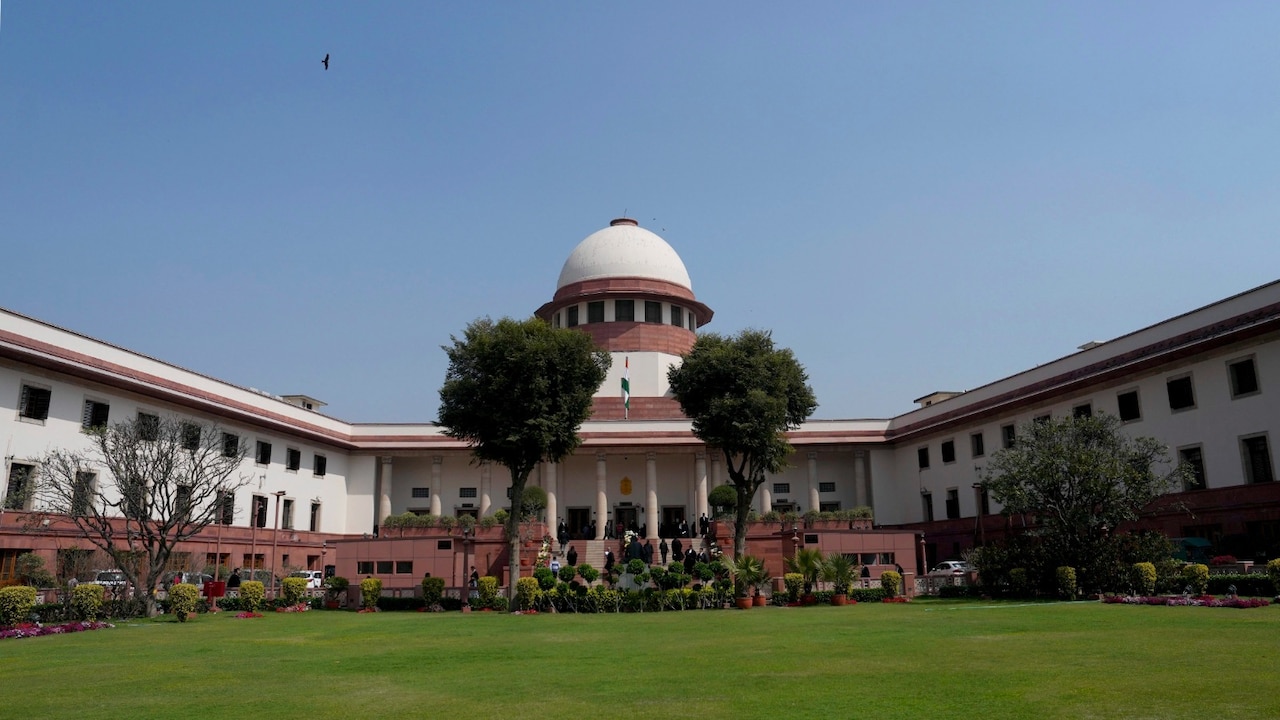
The Supreme Court has declared that access to and use of the internet is a fundamental right available to every individual, including children, under Articles 21 and 19(1)(a) of the Constitution, LiveLaw reported. A bench of Justices JB Pardiwala and K Vinod Chandran made the observations while issuing directions to strengthen the detection and removal of child sexual exploitation and abuse material (CSEAM) from social media platforms and other online services.
The court said children’s safety and freedom were not competing interests and that they were entitled to both. Denying children internet access altogether, it observed, would be as absurd as suggesting they had no conscience deserving protection or freedom of speech worth exercising.
According to LiveLaw, the bench emphasised that freedom of speech and expression includes the right to receive and impart information and ideas. It described the internet as a marketplace of ideas and creative expression, noting that it was often the only source of learning for children in remote areas.
Also Read | Layoffs Are Rising In Tech, But These Skills Are Helping People Unlock Better Pay
For children with special needs, the internet could also provide companionship with others sharing similar experiences, the court noted.
The bench referred to the 2020 Anuradha Bhasin judgment, which recognised constitutional protection for speech and business conducted through the internet, and the 2025 Pragya Prasun ruling recognising digital access under Article 21.
While acknowledging that the internet remained unsafe for children, the court said excluding them because intermediaries failed to remove harmful material would wrongly treat victims as the problem.
Blanket bans could push children towards unregulated, potentially more dangerous platforms, it observed. They could also discourage children facing online threats or enticement from seeking help because they feared punishment for using the internet.
The bench warned that verifying every user’s age could involve collection and monitoring of sensitive information, increasing risks of surveillance and misuse.
However, the court left room for proportionate safeguards. It suggested greater parental consent, guidance and oversight, alongside dedicated child modes, accounts set to private by default, restrictions on messages from unknown adults, and moderation of advertisements and content.
Such measures could apply to pre-teens, with reasonable methods of verifying parental consent. The Union government was left to determine implementation details.
The court clarified that restrictions on inherently harmful services, including adult-content websites, remained permissible. It also directed the creation of a national database to help identify and remove CSEAM across social media platforms, as part of measures to strengthen online child protection.
Essential Business Intelligence,
Sharp Market Insights,
Practical Personal Finance Advice, Daily Fuel, Gold and Silver Prices and Latest Stories — On NDTV Profit.


