


Want to bookmark your favourite articles and stories to read or reference later? Start your Independent Membership today.
Already a member?
Log in
Brazil remains the South American country with the most Blue Flag beaches after increasing its certifications by 25 per cent this year.
The internationally recognised Blue Flag programme assesses the sustainability of beaches, marinas and tourist boats across 52 countries.
It does this by checking that the beach is subject to regular water testing, waste management, educational activities and the maintenance of visitor services.
Brazil has revealed its best-ever result in the 2026/27 season, with 75 beaches and marinas being bestowed with Blue Flag status, a huge jump from the 60 beaches in the previous season.
Spread across seven states, the certified locations include 63 beaches and 12 marinas.
Five beaches on this list have held Blue Flag certification for over a decade, making them the longest-standing sustainable beaches in Brazil.
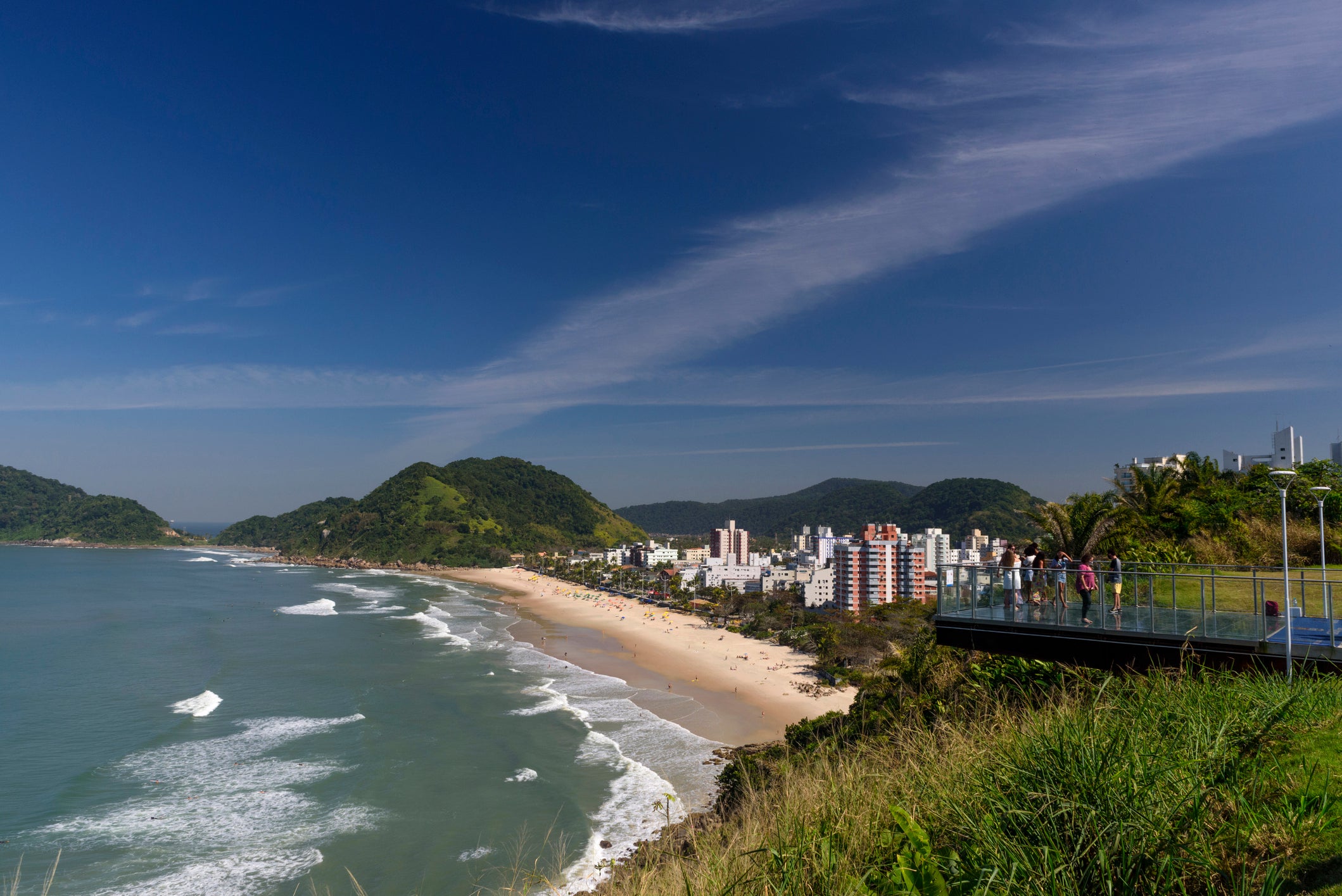
Tombo Beach in Guarujá near São Paulo leads with 17 consecutive certifications. The sheltered beach is framed by surrounding hills covered in lush vegetation, and attracts surfers with its reliable swells.
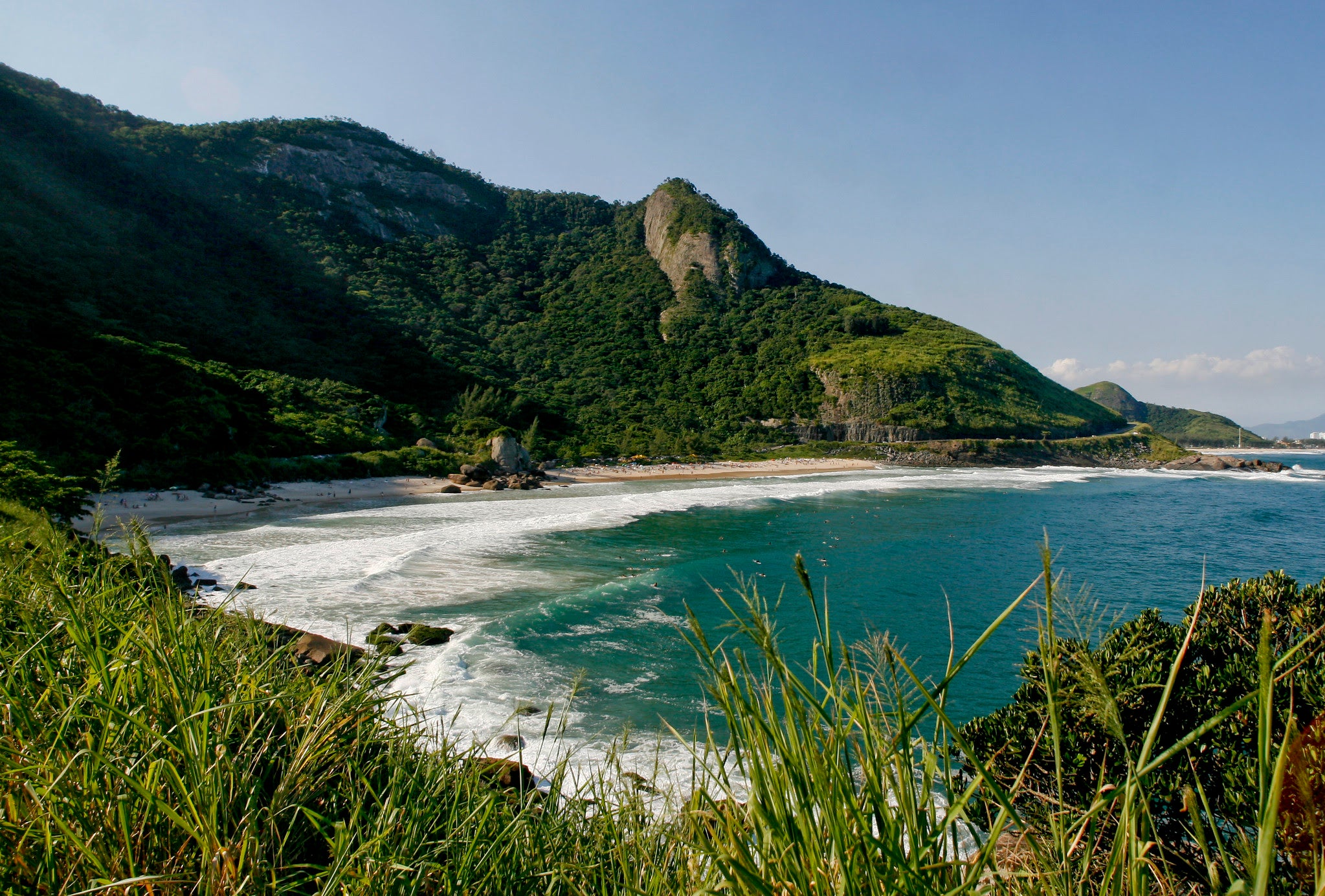
With 14 consecutive awards, Prainha, located just outside the busy Rio de Janeiro city centre, ranks second. Like Tombo, the beach’s white sands sit inside a cove circled by dramatic green cliffs.
A small car park keeps the beach from getting too busy, and three or four seafood restaurants and bars keep beachgoers full.
The top five also includes Ponta de Nossa Senhora de Guadalupe in Salvador, Lagoa do Peri Beach in Florianópolis and Praia Grande in Governador Celso Ramos, all with 11 recognitions each.
Ponta de Nossa Senhora de Guadalupe is located on Ilha dos Frades in the Bay of All Saints, popular for its calm, warm and crystal-clear waters, ideal for swimming, diving and other watersports.
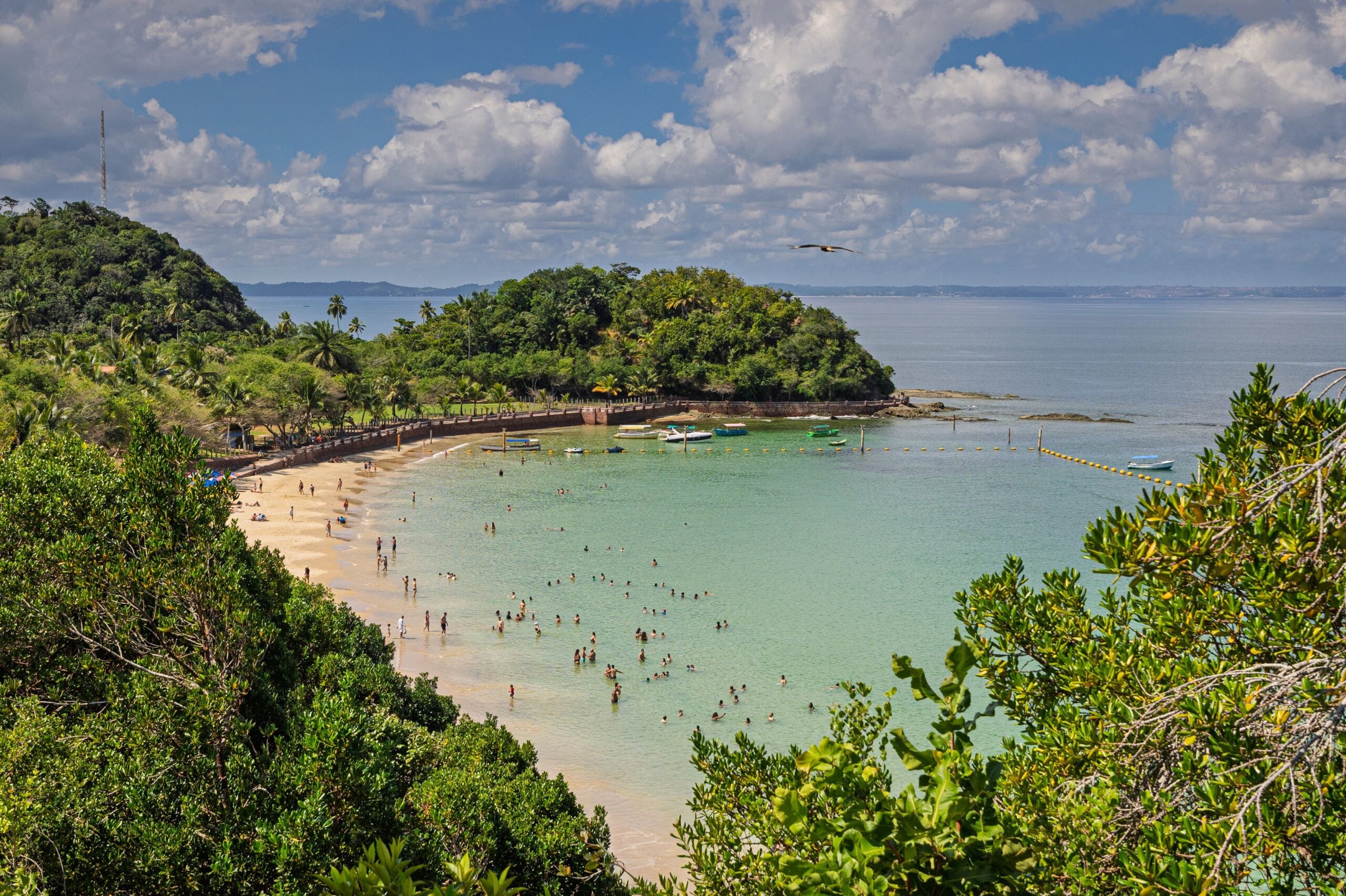
The beach is backed by a boutique hotel, food kiosks and seafood restaurants.
Lagoa do Peri Beach in Florianópolis skirts the largest freshwater lagoon on the coast of Santa Catarina.
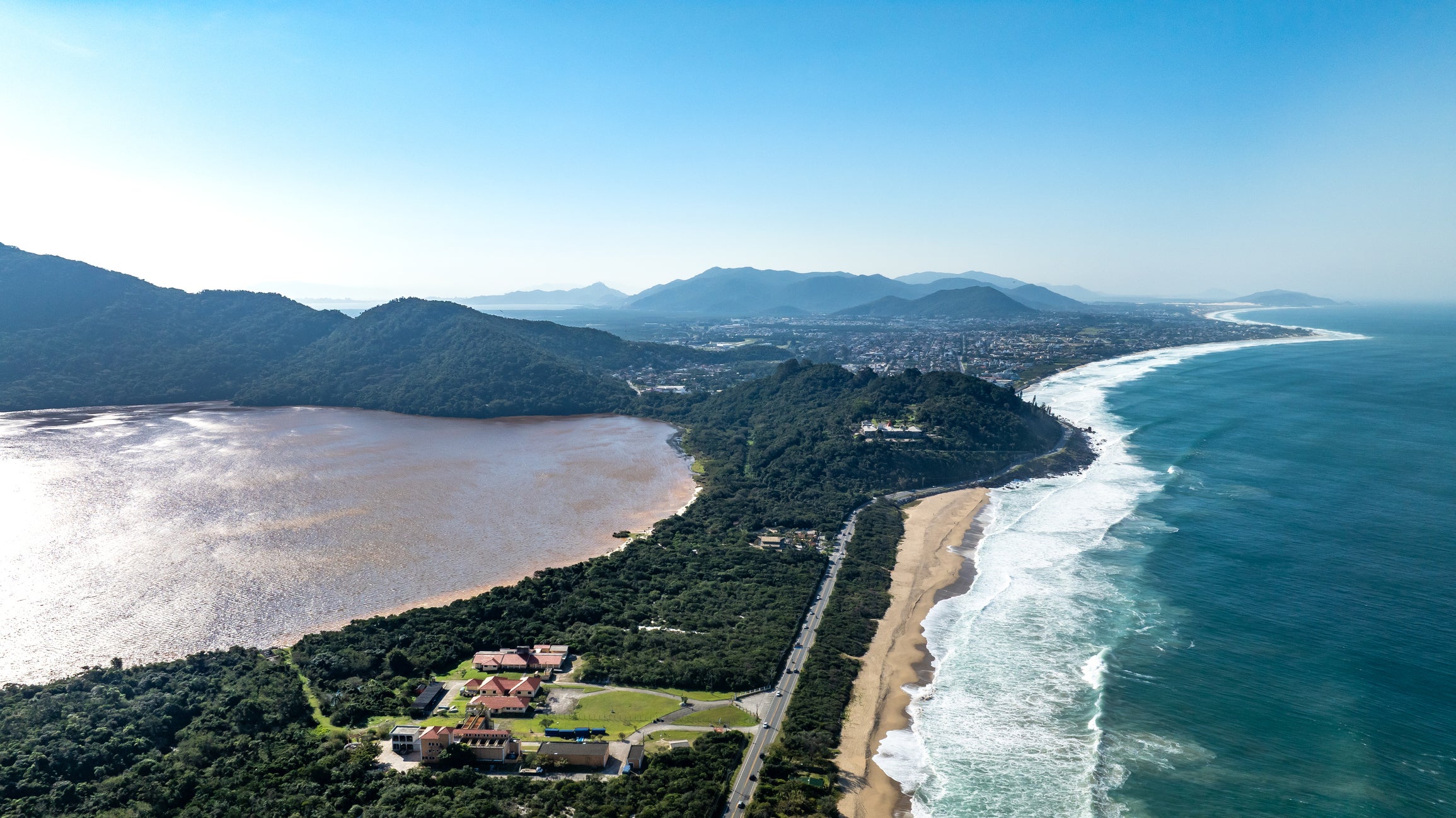
The beach is a haven for nature enthusiasts, with a variety of birds, as well as otters and capuchin monkeys, while the lagoon itself offers shallow waters. Hiking trails around the lagoon lead to waterfalls and old colonial mills.
Also in Santa Catarina, Praia Grande in Governador Celso Ramos offers one kilometre of white sand, surrounded by vegetation, a kiosk, bathrooms, and showers.
While these beaches have long-standing sustainability status, the newcomers for this year include Daniela, Açores and Moçambique beaches in Florianópolis.
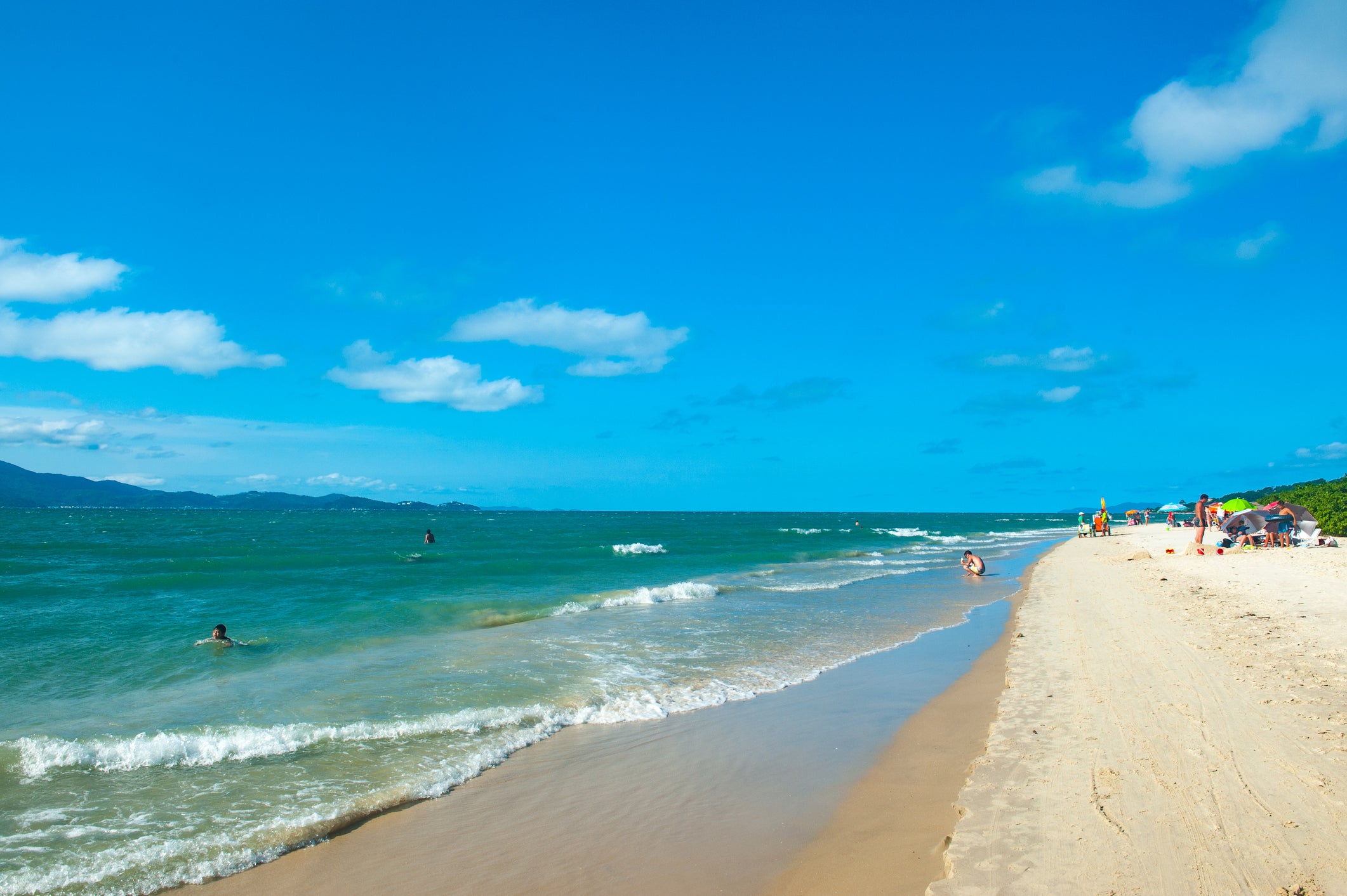
Also joining the list in Santa Catarina are beaches Itapema do Norte, Molhe and Mar Grosso.
Bruno Reis, president of Embratur, Brazil’s tourist board, said: “Brazilian beaches are among the most extraordinary in the world, with crystal-clear waters, natural pools and a diversity of landscapes that few destinations can match.
“This natural heritage, together with our culture, cuisine and hospitality, makes the sun-and-beach experience in Brazil even more complete.
“Recognition of our beaches’ quality strengthens the country’s competitiveness in the international market and shows that Brazil is increasingly prepared to attract travellers seeking clear waters, protected nature and unique experiences.”
British tourists visiting Brazil have been steadily increasing over the years, with over 187,000 visitors from Britain arriving in 2025.
So far, almost 122,000 British tourists have visited Brazil between January and July this year, an increase of 11 per cent compared to the same period last year.
Read more: Brazil is in fashion. But Brazilcore is not for amateurs