


Our kitchens have changed over the years. New ingredients find their way onto menus, cooking techniques evolve, and familiar foods get fresh interpretations. But somewhere along the way, some ingredients that once had a regular place in traditional cooking have become harder to find on our plates.
Many of these ingredients have a lot more to offer than a connection to the past. They bring distinct flavours, reflect the food traditions of different regions, and remind us how much culinary knowledge has been passed down through generations.
This International Chefs Day, observed every year on October 20, the focus is on exploring food and understanding what goes into making it. The theme this year, Food Explorers, encourages people to look beyond what is on their plates and learn more about ingredients, food traditions and sustainability.
We asked Indian chefs one question: If you could bring back one ingredient to our kitchens, what would it be and why? Their answers include a wild melon used in Punjabi chutneys, a traditional Uttarakhand seed, an ancient grain and even a flower that can lend colour to food.
Each of these ingredients has a reason to deserve a place on our plates again.
1. Chibbar
Chef Amninder Sandhu, the chef behind Bawri, Kikli, and more restaurants across India, wants to bring chibbar back into the spotlight. A small wild melon traditionally used in Punjabi kitchens, chibbar is known for its natural tartness. It has long been used to make chutneys and pickles, adding acidity and helping balance the flavours of a meal.
For Sandhu, the ingredient represents something important about traditional Indian cooking. As she explains, “What fascinates me is how our grandmothers understood ingredients like these and used them to bring acidity and balance to a meal, long before we started looking towards imported ingredients for the same purpose.”
Sandhu has also found a place for it on a contemporary menu. At Kikli, the chef uses chibbar in a chutney, bringing the traditional ingredient into the present-day dining experience.
“For me, reviving an ingredient isn’t about nostalgia. It’s about recognising the intelligence of our traditional food cultures and giving these ingredients relevance again,” she says.
Also Read: Saif Ali Khan Reveals The Secret Behind Kareena Kapoor’s Glow
2. Bhangjeera: The Uttarakhand seed that deserves more attention
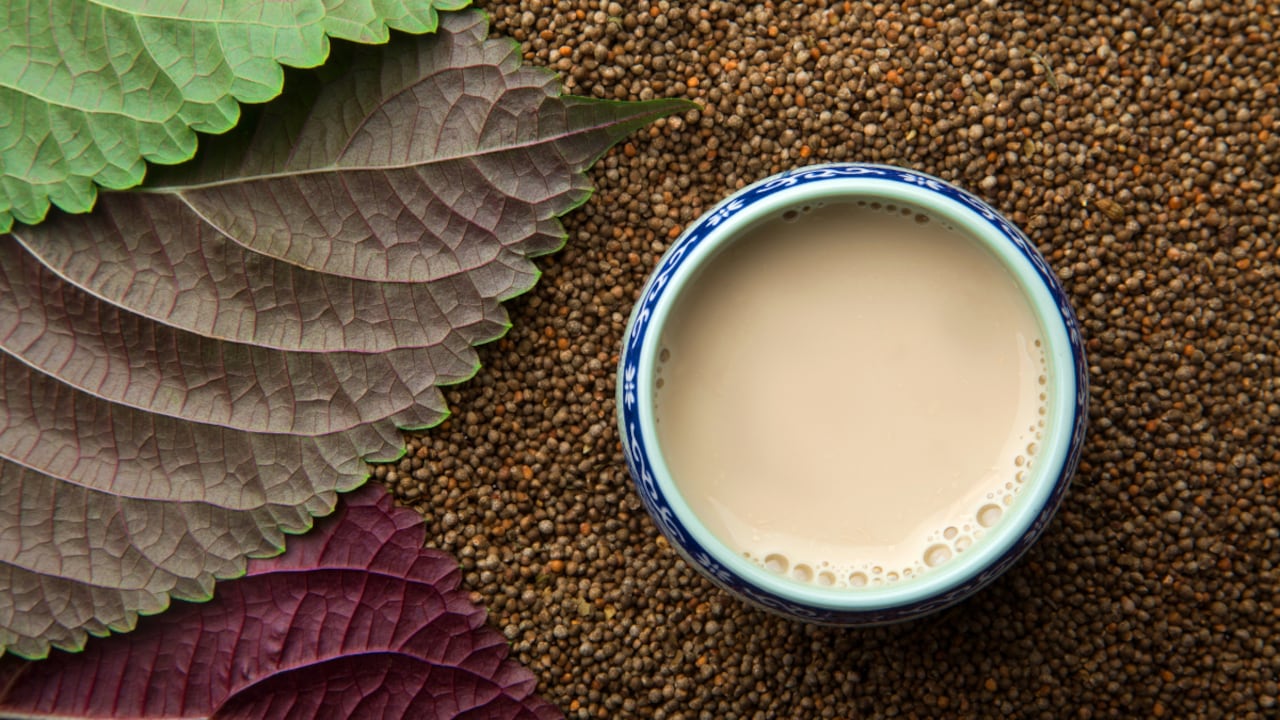
Photo: Canva
Chef Srinivas, Brand Chef at Chor Bizarre, picks bhangjeera, also known as perilla seeds. A big part of the culinary traditions of Uttarakhand, these small seeds are valued for their nutty flavour and earthy aroma.
Bhangjeera has a place in the traditional cooking of both the Garhwal and Kumaon regions. One of its familiar uses is in chutneys that pair well with mandua roti, seasonal vegetables, lentils and other Pahadi dishes.
Despite its regional significance, bhangjeera remains unfamiliar to many people outside the communities that have traditionally cooked with it. These ingredients bring us closer to regional food, far beyond the dishes that have become widely known.
3. Cockscomb Flower and Machinga Leaves
Chef Vanshika Bhatia, Owner of Petite Pie Shop and Gram Street Coffee, suggests two ingredients that offer different possibilities in cooking: cockscomb flower and machinga leaves.
She would like to see cockscomb flower used more often to colour gravies and even in pastry. The flower brings the range of opportunity to any kitchen. Such ingredients make us look at natural ingredients not just as something to eat, but also as a way to bring colour to a dish.
Her second choice is machinga leaves, which she describes as citrusy, with just enough peppery flavour to make a difference to a dish.
4. Amaranth or Rajgira
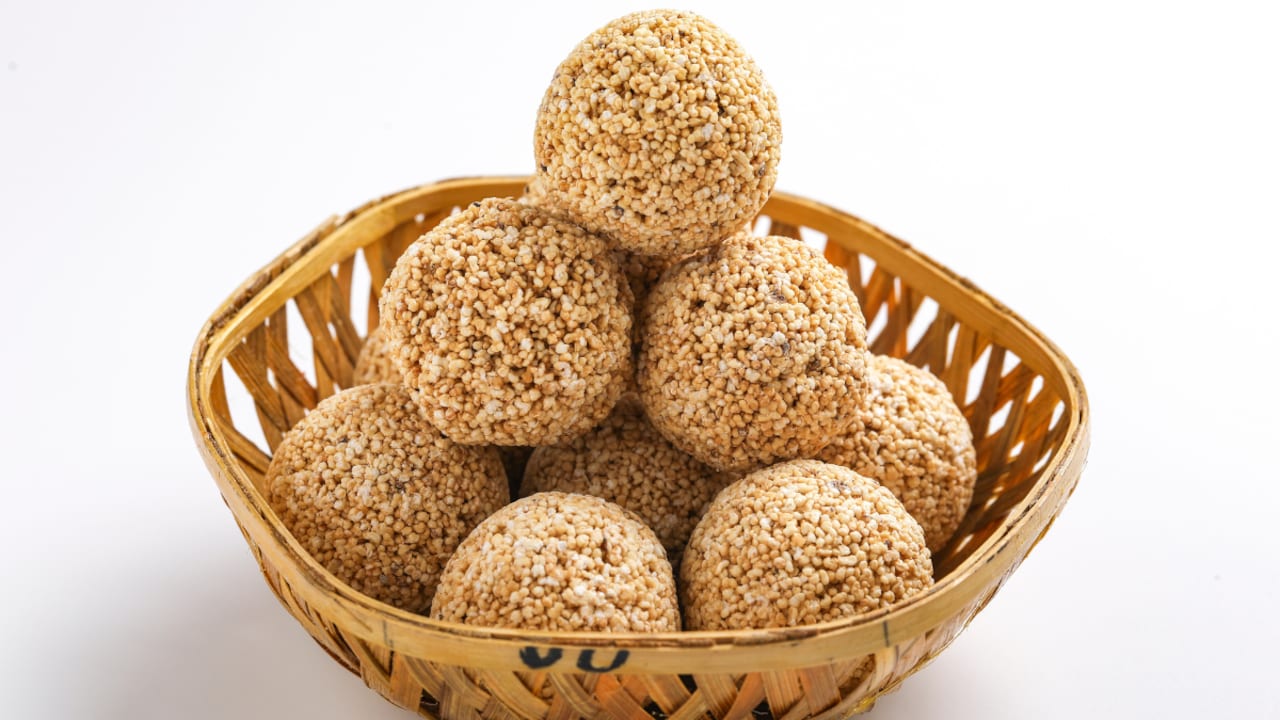
Photo: Canva
Chef Ajay Chopra of Paashh, Mumbai, wants amaranth, commonly known as rajgira, to receive more attention. An ancient Indian grain, amaranth is naturally gluten-free and contains protein. It has a nutty flavour and has long been associated with festival fasting and traditional home cooking.
Even with so much history, rajgira is overlooked when people think about the ingredients they cook with regularly.
Chef Ajay Chopra believes it deserves another look. “Rediscovering amaranth supports local farmers, celebrates traditional wisdom, and fits beautifully into modern, wellness-conscious menus,” he says.
One of rajgira’s strengths is its versatility. It can be used in porridges, crisp tikkis, salads and even breads.
Also Read: What Does Tiger Shroff Eat? Inside The Actor’s Diet And Cheat Meals
As Chopra puts it, “It reminds us that the most exciting flavours are often the ones we have simply forgotten to cherish.”