















.png?trim=0,0,0,0&width=1200&height=800&crop=1200:800 "Delta has made massive changes to its business class benefits")




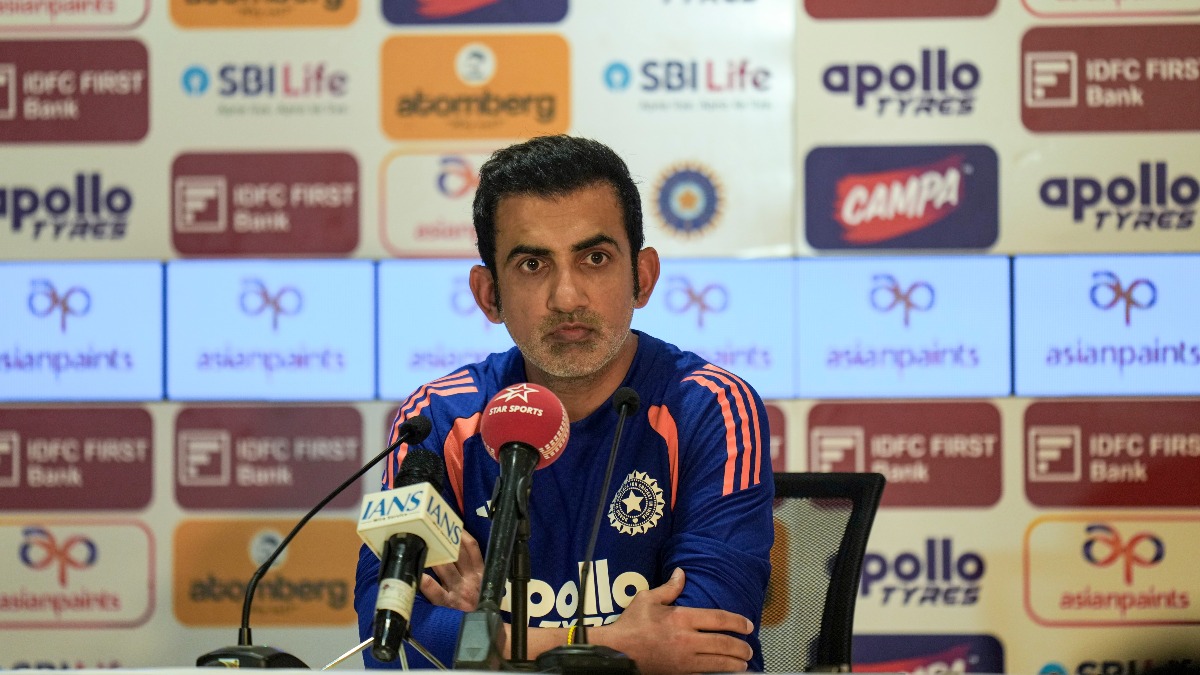

Early results from a set of elections across Britain showed big losses for the Labour Party, led by Prime Minister Keir Starmer, in his biggest — and most perilous — electoral test since his general election victory in 2024.
Counting was underway in Scotland and Wales, where lawmakers are being elected to their national parliaments, while elections also took place on Thursday in many parts of England for representatives in local and municipal government. The first English results, counted overnight, pointed to significant gains for Reform U.K., the right-wing populist party led by Nigel Farage.
Mr. Starmer’s popularity has sunk during his two years in power, and voters expressed their dissatisfaction at the ballot box, including in former strongholds in the northwest of England which have previously elected senior Labour figures to Parliament. So grim are his prospects that one of his adversaries, Stephen Flynn, leader of the Scottish National Party at Westminster, has branded the likely election outcome “Starmergeddon.”
Here’s what to know.
Who voted and for what?
In England, voters were electing representatives to municipal councils, with around 5,000 council seats across 136 different areas up for grabs. In addition six mayoral contests took place.
Scotland and Wales, as nations of the United Kingdom, have their own parliaments. They have autonomy over some policies, including health and education, and are normally elected every five years.
Which parties are having a bad day?
Expectations that the two biggest parties in Parliament, Labour and the Conservatives, would suffer were borne out by initial results.
Mr. Starmer’s center-left Labour faces a double squeeze. On its left, an invigorated Green Party is winning over some progressive voters, mainly in urban areas.
On its right, Reform U.K., led by Mr. Farage, is prospering in working-class regions of northern England, the Midlands and Wales.
In England, Labour is defending around 2,550 council seats and could lose around 1,850 of them, according to one polling expert, Robert Hayward. Before the voting began he also predicted the Conservatives could lose about 600.
The Conservatives have a relatively new leader, Kemi Badenoch, but voters seem not to have forgiven the party for its 14 years in power, which ended in 2024. In Havering, in outer London, Reform won control of its first borough in Britain’s capital from the Conservatives.
In the Welsh election, polls suggest that Labour looks likely to be pushed into third place — a remarkable loss for a party that has led the government in Wales since the forerunner of the Welsh Parliament was created in 1999.
And in Scotland, the party may come third.
Who is likely to do well?
In England, Reform is on course to be the biggest victor, taking perhaps 1,550 council seats, mostly in areas outside London. The Green Party, which has emerged as a significant left-wing force under its new leader, Zack Polanski, could gain around 500 council member seats in London and in middle-class areas of other cities.
The centrist Liberal Democrats are likely to make modest gains, mostly at the expense of the Conservatives.
The Scottish National Party, a center-left party which campaigns for independence for Scotland, looks likely to continue to be the biggest force in Edinburgh.
In Wales, another left-wing nationalist party, Plaid Cymru (pronounced plide kum-ree), is expected to battle for first place with Reform.
When are results expected?
Polling stations closed at 10 p.m. on Thursday. Although some votes were tallied overnight, in many areas counting began only on Friday morning. A significant number of results should come in by around lunchtime on Friday, and by early evening, the picture should be clear.
What’s at stake?
For Mr. Starmer the elections bring political danger. He is under fire over the appointment of Peter Mandelson, a friend of Jeffrey Epstein, as ambassador to Washington, and speculation about a challenge to his leadership has been building for months. Potential rivals include Andy Burnham, mayor of Manchester; Angela Rayner, a former deputy prime minister; and Wes Streeting, the health secretary. To mount a challenge, Mr. Burnham would need to secure a seat in Parliament and neither of the other two has so far moved against Mr. Starmer.
But a disastrous set of results could plunge the prime minister into peril.
The voting has practical consequences, too. The Scottish and Welsh Parliaments control policies including health, schools, many aspects of transport, and have some tax-raising powers. Local councils in England provide services from care of the elderly to garbage collection.
In addition, with British politics fragmenting, analysts will be watching for signs of structural change. Will the results signal the continued collapse of the duopoly that dominated British politics for decades? Is Reform viewed by voters as a credible alternative to the Conservatives? How badly could the Greens damage Labour?
If the Scottish National Party wins, its leader, John Swinney, is likely to call for a second referendum on Scottish independence (the party lost the previous one in 2014). Although the government in London would probably block that prospect, it could stir the debate about Scotland’s future.
Plaid Cymru sees independence as a longer term ambition for Wales and does not propose a referendum soon. But, if it wins, Wales and Scotland could be run by parties that want to break up the United Kingdom.