


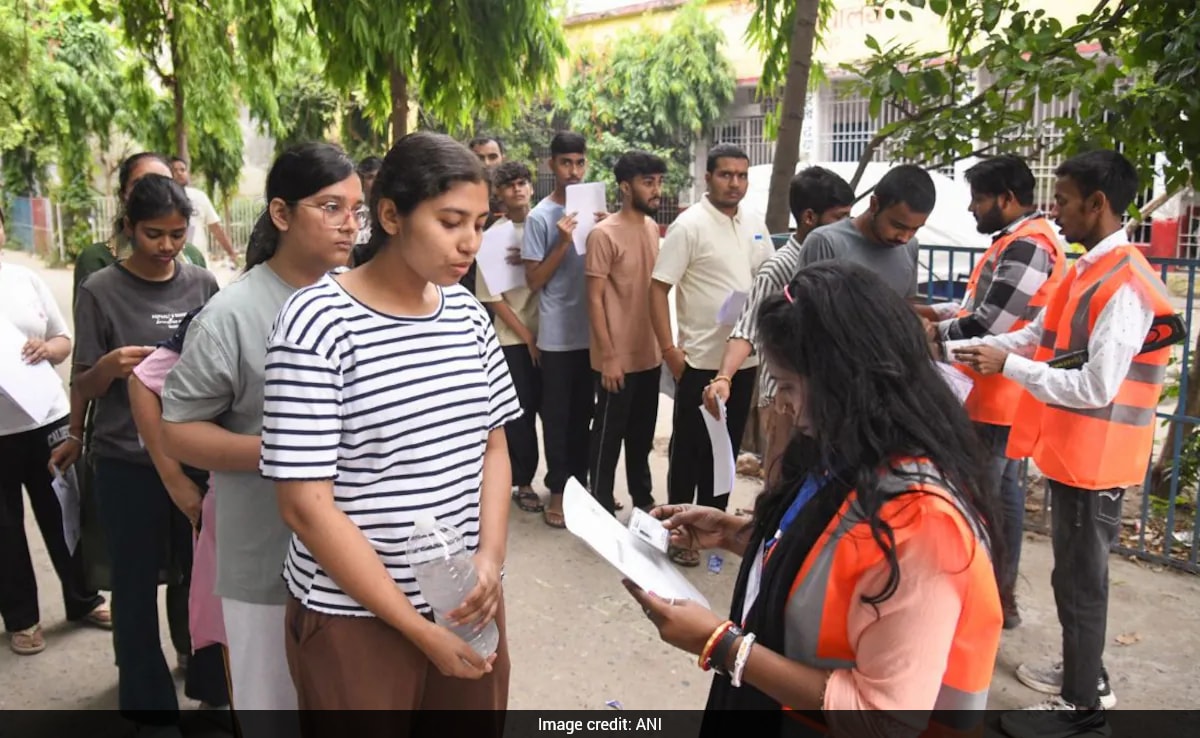
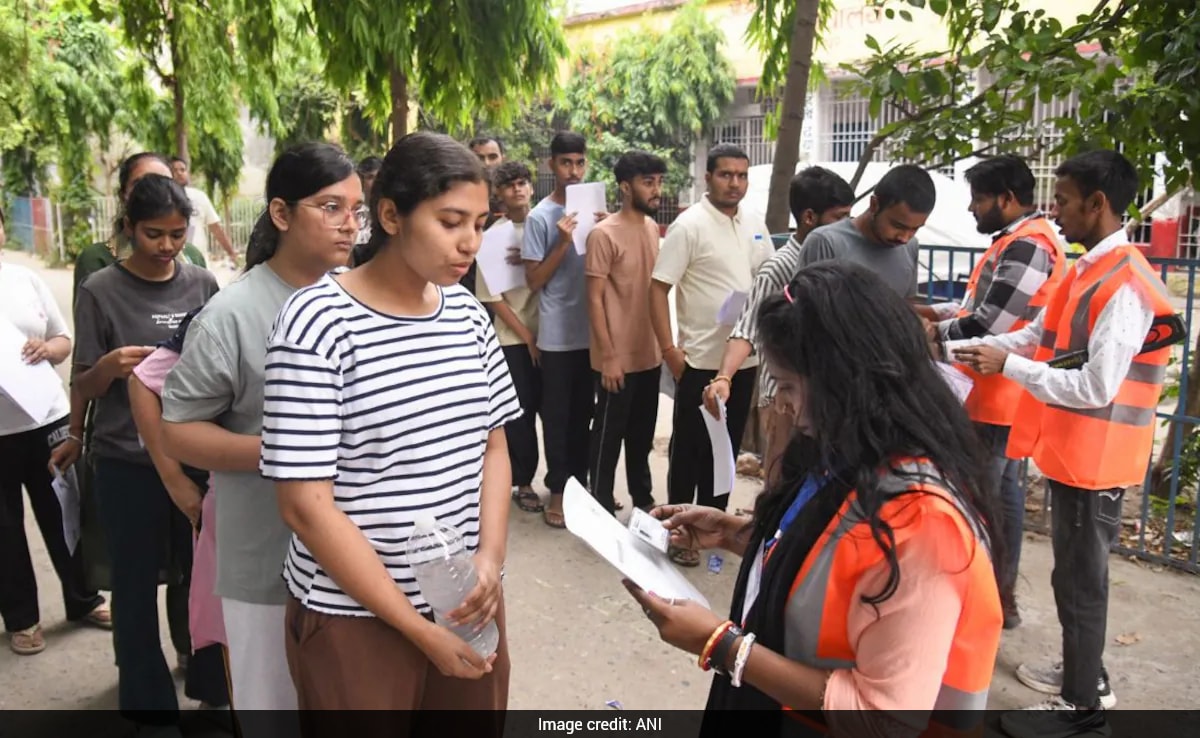
NEET UG 2026 Paper Leak: Every year in India, the dream of becoming a doctor drives nearly 20 to 25 lakh students to appear for the National Eligibility cum Entrance Test (NEET). It is among the country’s most competitive entrance exams, acting as the sole gateway for MBBS and BDS admissions.
But along with its scale and importance, NEET has repeatedly come under scrutiny, ranging from alleged paper leaks and irregularities to concerns over examination centre management and result processing. Each controversy has reignited a broader debate on exam security in India’s high-stakes testing system.
In comparison, China’s Gaokao sees participation from nearly 1.3 crore students every year. Despite this massive scale, incidents of paper leaks or major examination irregularities are rarely reported in China, often making the two systems a point of comparison in global education debates.
What is the Gaokao exam?
The Gaokao is China’s national-level college entrance examination and serves as the primary basis for university admissions. Conducted once a year, it plays a decisive role in shaping a student’s academic future. A student’s Gaokao score determines not only the university they can enter but also the course they are eligible to pursue.
NEET is limited to medical admissions
In India, NEET is conducted specifically for admissions to medical and dental colleges. In contrast, the Gaokao covers a much broader scope, serving as the gateway to nearly all major undergraduate programmes across universities in China. This makes it the central examination for higher education admissions in the country.
Why is the Gaokao system perceived as more leak-resistant?
One of the most cited reasons is the strict and highly centralised examination framework surrounding the Gaokao. The system is heavily monitored and supported by technology-driven safeguards.
Reports often highlight measures such as AI-enabled surveillance in examination halls, biometric authentication, electronic signal jammers, drone monitoring in sensitive zones, and strict control over logistics and question paper handling. In several regions, authorities also regulate traffic and public movement during examination hours to ensure a disturbance-free environment.
The Gaokao is not viewed merely as an examination in China but as a life-defining opportunity for millions of families who prepare for it over several years. The examination is treated with high administrative priority, and in some cities, strict arrangements are implemented to maintain silence and ensure smooth conduct during exam days.



