


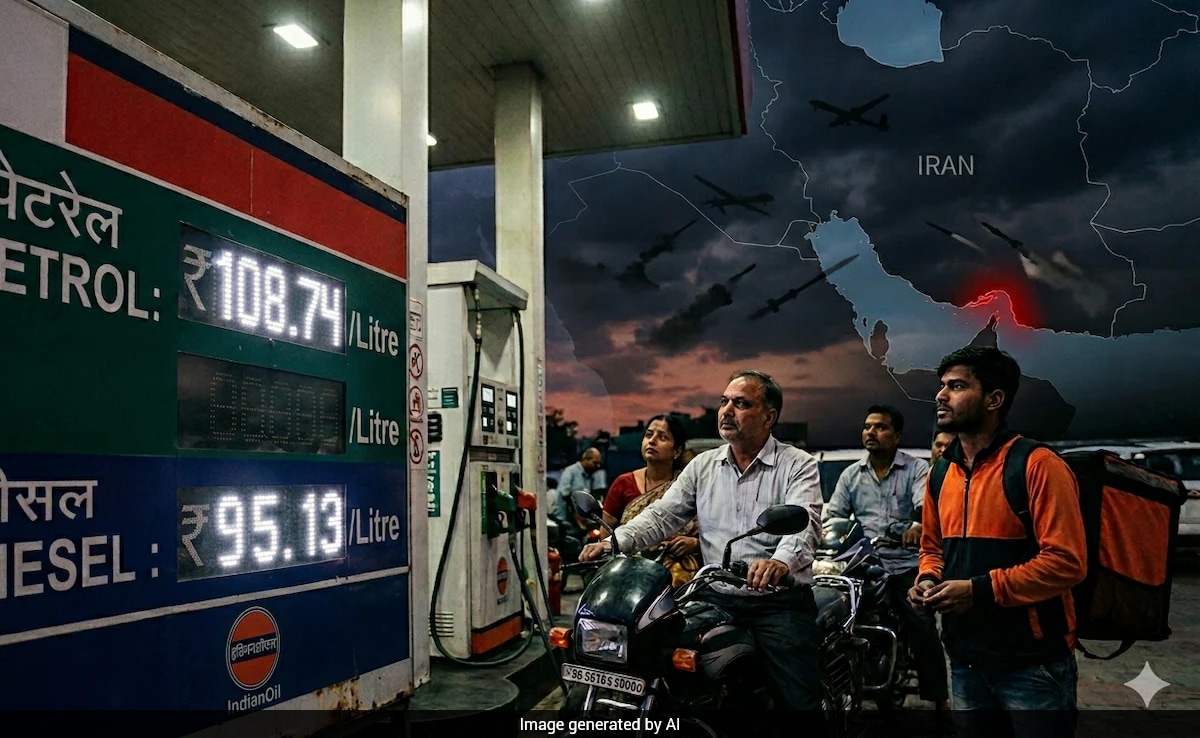
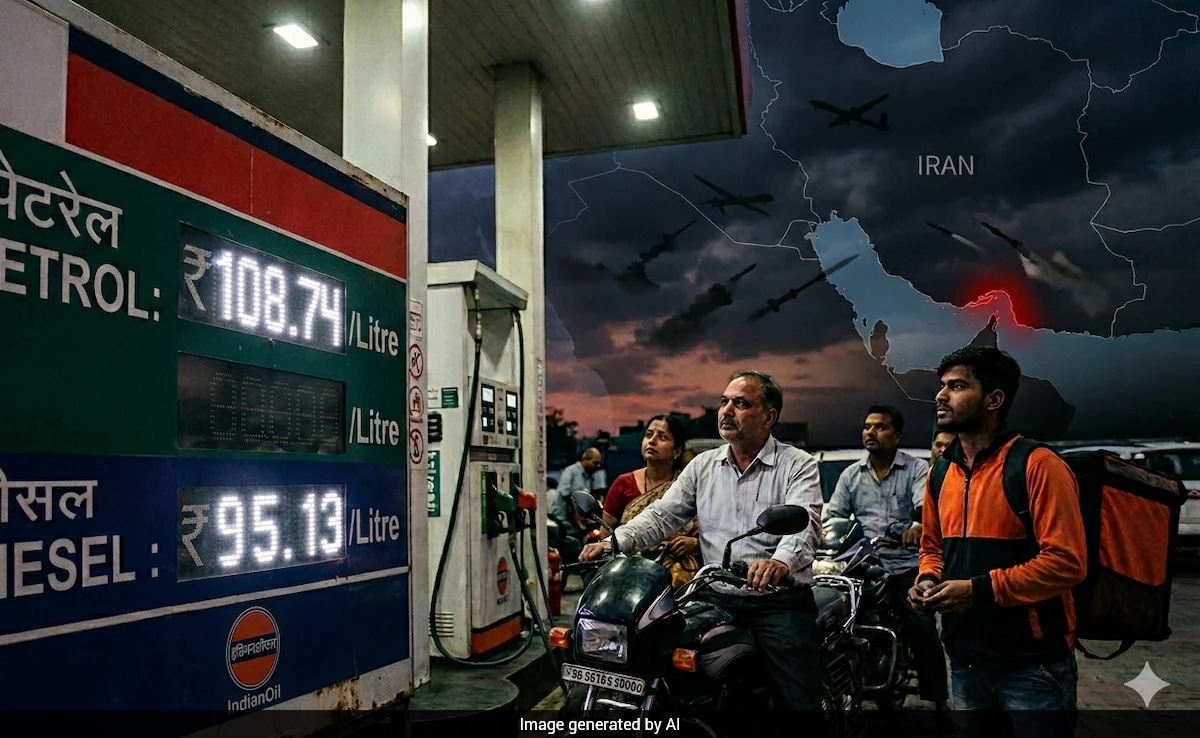
India woke Friday to an uncomfortable truth – the war in Iran, the blockade of the Strait of Hormuz, and the shock to the global energy trade had finally hit domestic fuel prices.
OMCs, or oil marketing companies, increased retail prices of petrol and diesel by a minimum of Rs 2.83 per litre and that of CNG, or compressed natural gas, by Rs 2 per kilogram.
Advertisement – Scroll to continue
The hikes are sharpest in Kolkata and Mumbai – from Rs 3.11 per litre of diesel in the latter to Rs 3.29 per litre of petrol in the former. Prices were hiked by an even Rs 3 per litre for both in Delhi.
Why were prices hiked?
Because the war has added lakhs to OMCs’ costs – from increased crude prices to higher risk premiums and charter rates – to a point where cumulative losses of Rs 1.2 lakh crore were predicted for Q1 FY27. And OMCs are already losing Rs 1,600 crore daily on fuel subsidies.
That brings up an uncomfortable truth.
Rs 3 per litre hike not enough
The increases sound substantial, and they are for a majority of Indians, most of whom live hand-to-mouth and for many of whom – particularly gig workers – petrol and diesel costs are an inescapable part of their daily, weekly, and monthly budgets.
But the math indicates the hikes will only cushion a part of OMCs’ costs.
Every 50 paise increase in per litre margins lifts profits – specifically Ebitda, or earnings before interest, taxes, depreciation, and amortization – by seven to 11 per cent, depending on the OMC.
Therefore, an increase of Rs 3 triples each OMC’s profit boost.
However, it still leaves each in the red, at least for as long as the Iran war continues and, critically, leaves each open to compounded losses if fighting is prolonged.
So how much is enough?
Prices need to be hiked by a massive Rs 28 to Rs 33 per litre of petrol and diesel for OMCs to bridge the nearly 30 and 36.5 per cent cost-revenue gap for each product.
From a political perspective, that will never happen, at least not in one hike. Raising prices by that margin would be electoral suicide, especially with opposition parties waiting to pounce.
The oil story in India
Fuel prices in India are heavily discounted – for private and commercial end-users – with OMCs absorbing losses to keep prices grounded for the country’s vast economically weaker sections.
Before the war began, major OMCs were in the green.
As the Iran war progressed – and energy supplies were squeezed – OMCs tried absorbing the shock but were hit by an uncomfortable jump in oil prices. Benchmark Brent crude jumped past the $100 mark in mid-March and has stayed above that – within a $100-$110 band – since.
And that has meant India’s crude basket bill, which averaged $69 a barrel before the war, shot up to an average of $114.48 in April and is averaging $105.87 through May so far.
The impact of the Iran war
US-Israel military action against Iran that began Feb. 28 quickly escalated into missile and drone strikes on energy infrastructure in that country and neighbouring Gulf nations.
According to the International Energy Agency, the Middle East produced roughly 41.5 per cent of the world’s crude oil in 2023. Squeeze this supply and the global economy slips into crisis.
And that is exactly what happened, beginning with missile attacks on oilfields, depots, and export terminals along the Persian Gulf and expanding to Tehran – which has geographic control over Hormuz – threatening oil and gas tankers trying to transit the narrow passage.
Maritime energy exports via that corridor dropped to almost zero at one point and, despite a tenuous ceasefire that has been in effect since April 8, have not really recovered.
Halting the energy flow affected oil supplies to countries around the world; many poorer nations were forced to order fuel rations and the Philippines announced a national emergency.
India was relatively better shielded than most, thanks in large part to OMCs absorbing rising costs. And they have been helped by the government in this endeavour.
In March, for example, the government reduced its excise duty on a litre of petrol to Rs 11.90 – a decrease of Rs 10. Excise on a litre of diesel dropped by the same margin to Rs 7.8. The cuts did not translate into reduced prices at fuel stations – they were not meant to.
Instead, they reduced pressure on OMCs by containing “through the roof” production costs.
But that only helped for a while. The Hormuz stalemate – perhaps more critical than the war since it ships nearly 40 per cent of India’s oil needs – has finally put enough pressure on the country’s fuel ecosystem to push prices up for the first time in over four years.



