New Delhi:
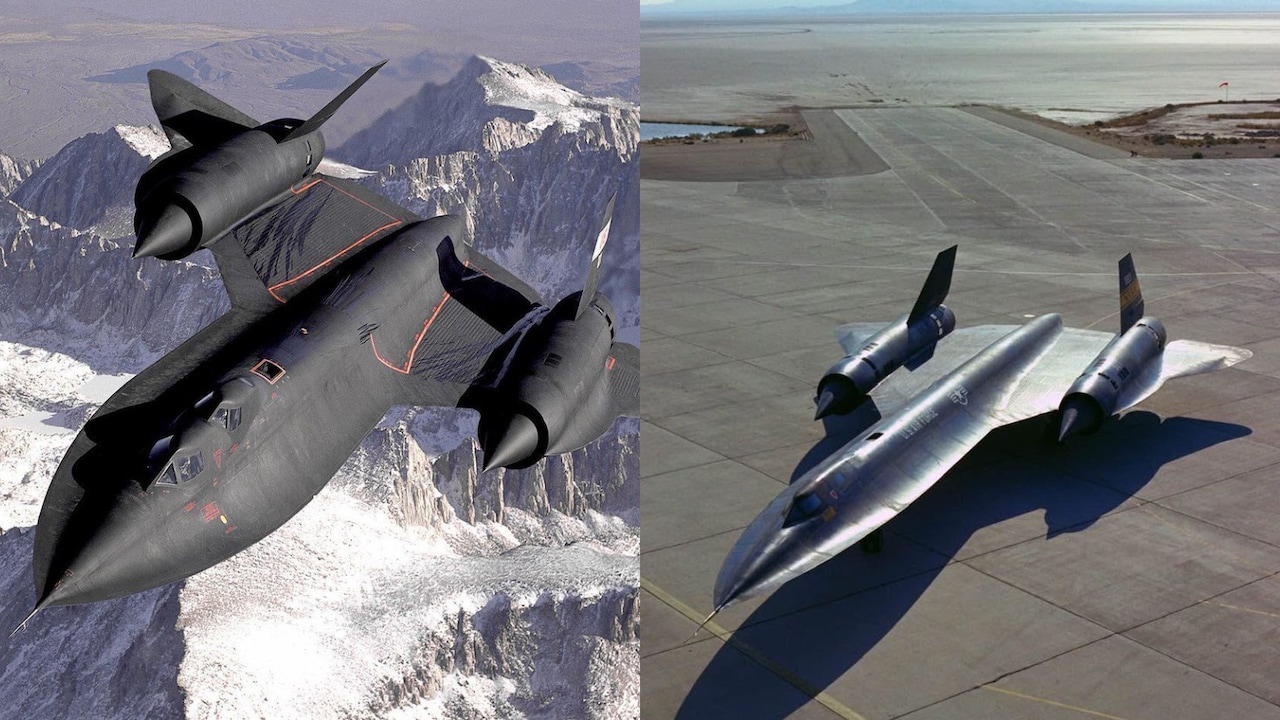
NASA may soon bring one of its retired SR-71A Blackbird spy planes back into the skies after nearly 27 years.
The US space agency has reportedly contacted several former engineers who worked on the famous aircraft. It wants their help with a possible return-to-flight project.
David Ash, a former US Navy and Joby test pilot, reached out to Mike Relja, a former US Air Force and NASA test engineer, to help with the effort. Relja, now in his late 70s, told Aviation Week that he was surprised when NASA contacted him about the project.
“I told the guy, ‘You know, I’m too old to be doing this. I wish you well. I’d like to see you make it. It would be interesting. But I just don’t think you can get there from here,” Relja recalled.
The aircraft at the centre of the effort is SR-71A Tail No. 844, which has been sitting on display at NASA’s Armstrong Flight Research Center at Edwards Air Force Base in California since its last flight.
The aircraft was removed from its display pole sometime before April this year, according to commercial satellite images obtained by Aviation Week. NASA employees then moved it into the hangar that was once used for the Space Shuttle.
Tail No. 844 has a special place in the SR-71’s history. It made the final flight of an SR-71 Blackbird on October 9, 1999. The aircraft has been on display since then.
Another former NASA SR-71 test engineer, Tim Conners, also received an offer to join the project. He turned it down, although he said he would like to see the aircraft fly again. NASA has not confirmed that it is working to return Tail No. 844 to the skies.
“We recognize the interest in the SR-71 and its remarkable history at NASA but have no additional information to share regarding the aircraft at this time,” NASA spokesperson told Aviation Week.
The project comes after NASA Administrator Jared Isaacman spoke about plans to build a new fleet of experimental X-planes.
At the All-In Summit in Los Angeles earlier this month, Isaacman showed an image of a new aircraft. The aircraft appeared to have some features similar to the SR-71, including its tail design, engine areas and cockpit. He also said NASA would soon be flying as high and as fast as it had in the past, and then go beyond those limits.
Relja said it would be difficult to operate Tail N0. 844 as it has not flown for nearly 27 years. He said the aircraft could have water and sand inside it after spending so many years on display.
“I do know they’ve got people working on it. But again, without equipment, it’s beyond me what they’re doing,” Relja said.
The aircraft has two engines. There is also a spare engine under it. These engines may not have been properly maintained or rotated for decades, he said.
“When we were operational, if we had a spare engine, every 90 days we had to rotate the engine. Every 180 days, we had to run it to keep it as a ready spare. Now you’re talking about engines that have been sitting for 30-plus years,” Relja added.
The supply of spare parts is another big problem as the US Air Force and NASA destroyed around $600 million worth of Blackbird spare parts in 2007. NASA would now have to find or make many of those parts again. It would also need supplies of the special JP-7 fuel used by the SR-71.
The aircraft also needs triethylborane, a chemical used to start its engines. Special engine oil and hydraulic fluids would also be needed. Relja said special carts were needed for several jobs. “To get the engine out, you need a cart. You need equipment to pull the [engine] spikes, pull the [ejection] seat. All that stuff is gone,” he said.
Several Blackbirds are displayed at museums in the US and UK. Nine of them flew to their final museum locations. So, their engines and other parts could be used for the project.