


Chandigarh:
In a significant political move ahead of the 2027 Punjab assembly elections, the BJP has launched an aggressive outreach campaign focussing on Other Backward Classes (OBCs), a demographic that could prove decisive in shaping the state’s future political equations.
The party’s first major step in this direction is the Sarv Samaj OBC Maha Sammelan held in Abohar, Fazilka district. Designed as a high-impact political mobilisation exercise, the rally is expected to draw participants from 10 to 15 assembly constituencies across Fazilka, Ferozepur and Sri Muktsar Sahib districts, where OBC communities constitute a substantial share of the electorate.
The event assumes greater significance as it is being organised in the hometown of senior BJP leader and former Punjab BJP president Sunil Jakhar, underlining the party’s intent to make the region a focal point of its expansion strategy.
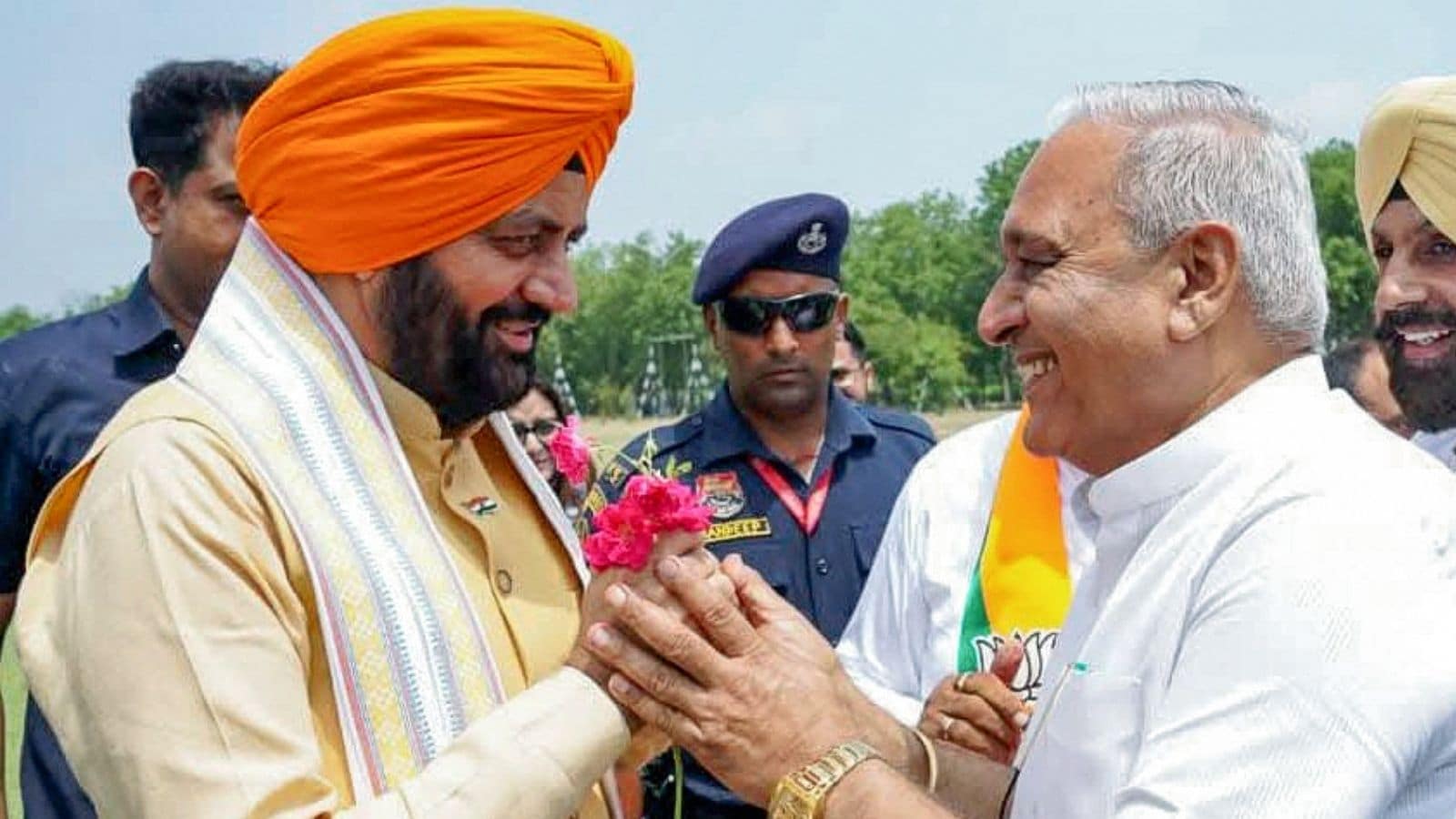
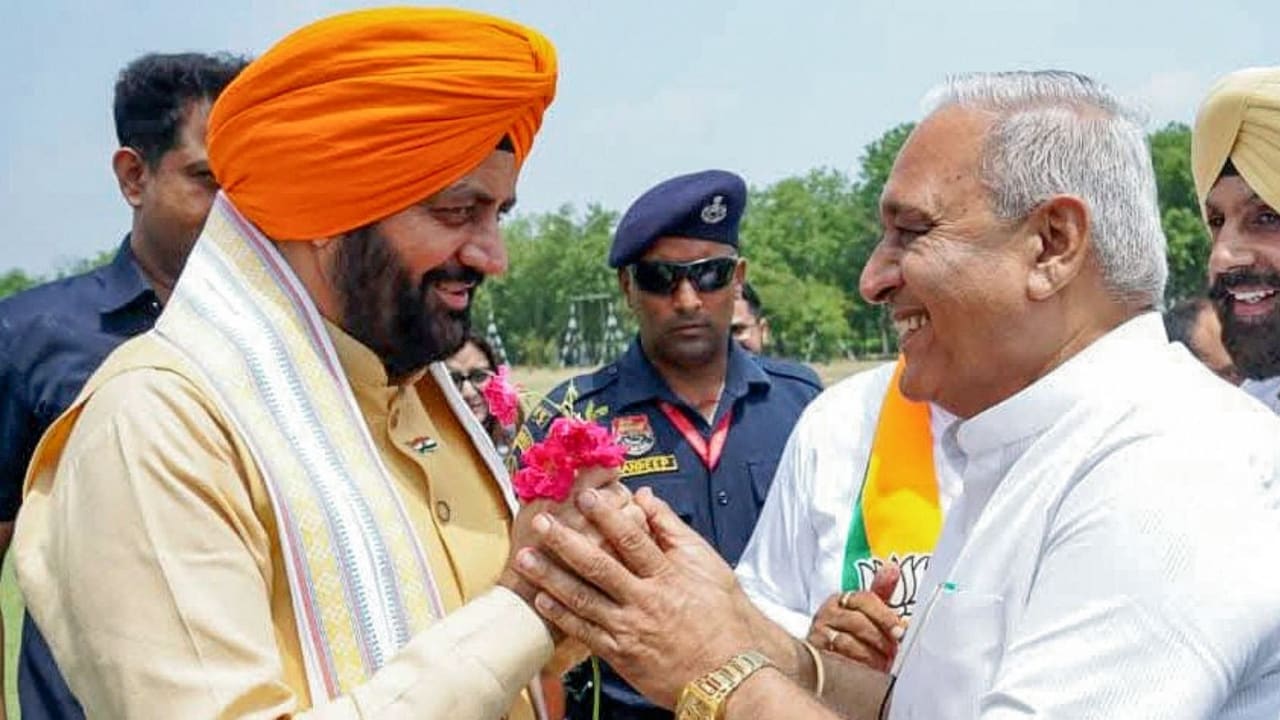
Haryana Chief Minister Nayab Singh Saini, one of the BJP’s prominent OBC faces, led the event as chief guest. He was joined by Punjab BJP president Sunil Jakhar, senior state leaders, former minister Surjit Kumar Jyani, and several prominent party functionaries.
To strengthen grassroots mobilisation, the BJP has deployed Haryana cabinet minister Ranbir Singh Gangwa and former Haryana MLA Ram Chand Kamboj, both influential OBC leaders who have been conducting extensive meetings with local communities and party workers in the run-up to the rally.
Punjab has approximately 2.14 crore registered voters, according to the 2025 electoral rolls. While official voter data is not classified by caste, demographic estimates suggest that Scheduled Castes are 68.3 lakh voters (31.94 per cent) and OBCs approximately 66-68 lakh voters (31-32 per cent).
Together, the two communities account for nearly two-thirds of Punjab’s electorate, making them the most critical social blocs in any electoral contest. Historically, Punjab politics has revolved around Sikh agrarian leadership, regional identities and caste alliances.
However, the BJP appears to be attempting a structural shift by building a broader coalition among non-traditional voter groups, particularly OBC communities that have not been a consolidated support base for the party in the state.
The Abohar rally is more than a routine political gathering – it signals the BJP’s intention to replicate its successful OBC outreach model from several northern and central Indian states in Punjab.
By projecting OBC leadership, leveraging support from neighbouring Haryana, and engaging directly with backward-class communities, the BJP is seeking to create a new social coalition capable of challenging established political players.
If the party succeeds in consolidating even a significant portion of Punjab’s estimated 66-68 lakh OBC voters, it could alter electoral outcomes in dozens of assembly constituencies, particularly in the Malwa region where caste arithmetic often plays a decisive role.
The campaign also sends a clear message that the BJP is no longer viewing Punjab as a peripheral political battleground but as a state where long-term organisational investment could yield substantial electoral gains.
Before the assembly elections, the BJP has started laying the groundwork well in advance. The OBC Maha Sammelan in Abohar marks the opening phase of what is expected to be a sustained social outreach programme across Punjab.
Whether this strategy translates into electoral gains remains to be seen, but one thing is clear: the battle for Punjab 2027 has begun, and the BJP is betting heavily on OBC mobilisation to redraw the state’s political map.



