


Garlic is one of the first things I reach for when I start cooking. A little chopped garlic can make a simple sabzi, pasta or dal taste so much better, which is probably why I use it almost every day. The problem? I have also burnt it more times than I would like to admit. One minute, it is sizzling away and smelling amazing; the next, it has turned dark brown and bitter. And once that happens, there is usually no saving the dish. So I decided to test a few different ways of cooking garlic to figure out what actually prevents it from burning.
Also Read: This Everyday Tea May Ease Bloating And Support Weight Loss Efforts
Method 1: Adding Garlic To Very Hot Oil
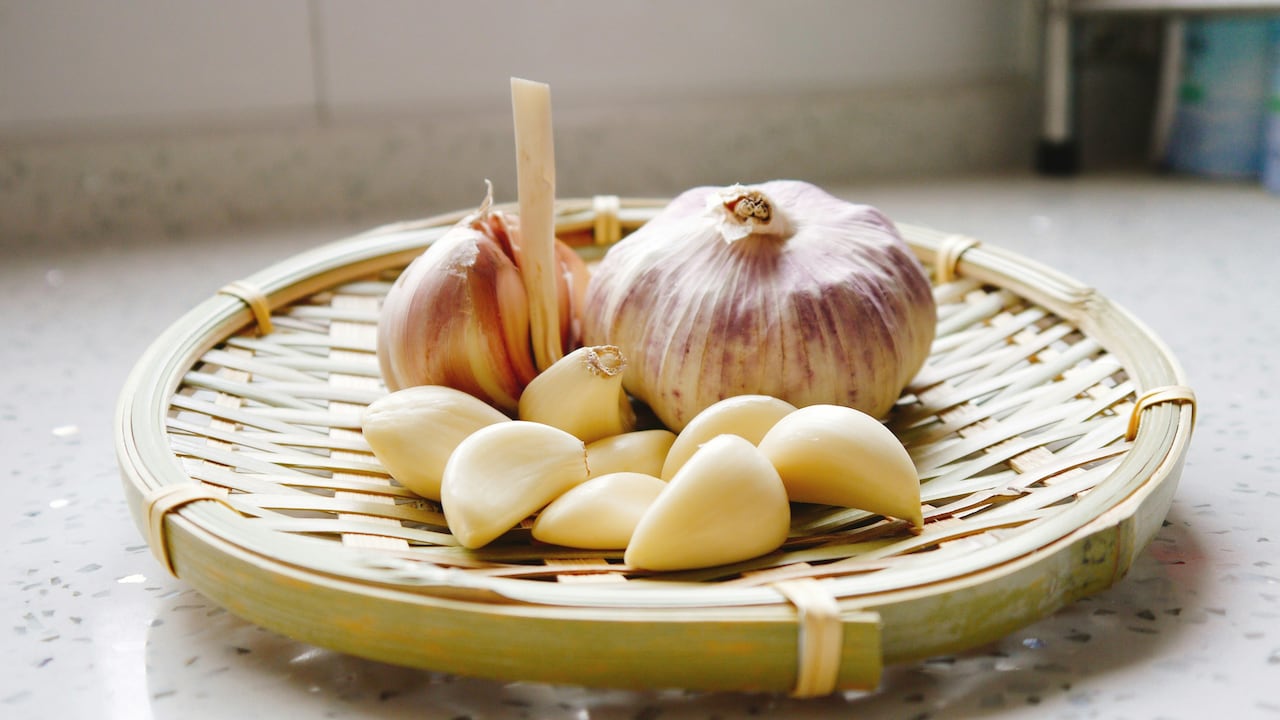
Photo: Unsplash
This is probably the most obvious way to cook garlic. I heated the oil first, then added finely chopped garlic once the pan was properly hot.
What I did
I let the oil heat up, added the garlic and stirred it continuously, waiting for it to turn golden.
What happened
The garlic browned incredibly quickly. It smelled great at first, but within seconds, some of the smaller pieces had turned much darker than the rest.
The problem
Garlic cooks very quickly, especially when it is finely chopped. Starting it in very hot oil gives you a tiny window between perfectly golden and burnt.
Verdict
Fast, but definitely not foolproof.
Method 2: Cooking Garlic On Low Heat
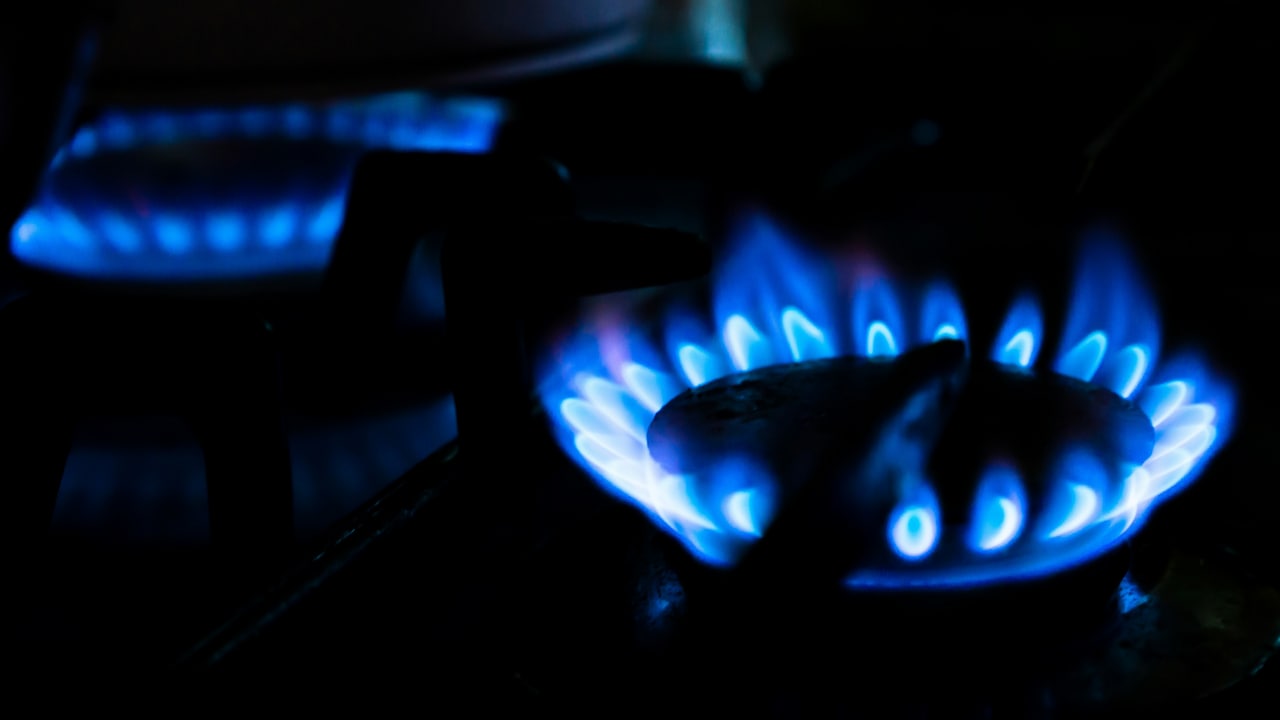
Photo: Unsplash
For my second attempt, I decided to slow things down. Instead of turning the flame up, I added the garlic to the pan and cooked it gently over low heat.
What I did
I heated the oil over a low flame, added the chopped garlic and stirred it occasionally while letting it cook slowly.
What happened
This gave me much more control. The garlic took longer to colour, but it cooked more evenly. I could see it gradually becoming pale golden instead of suddenly turning brown.
The problem
It takes a little longer, and you still need to keep an eye on it. Low heat doesn’t mean you can leave the pan unattended.
Verdict
Much better than starting with high heat, especially if you are someone who tends to multitask while cooking.
Also Read: Why A Fitness Expert Is Calling ‘Ghar Ka Khaana’ India’s Most Dangerous Meal
Method 3: Adding Garlic To Cold Oil
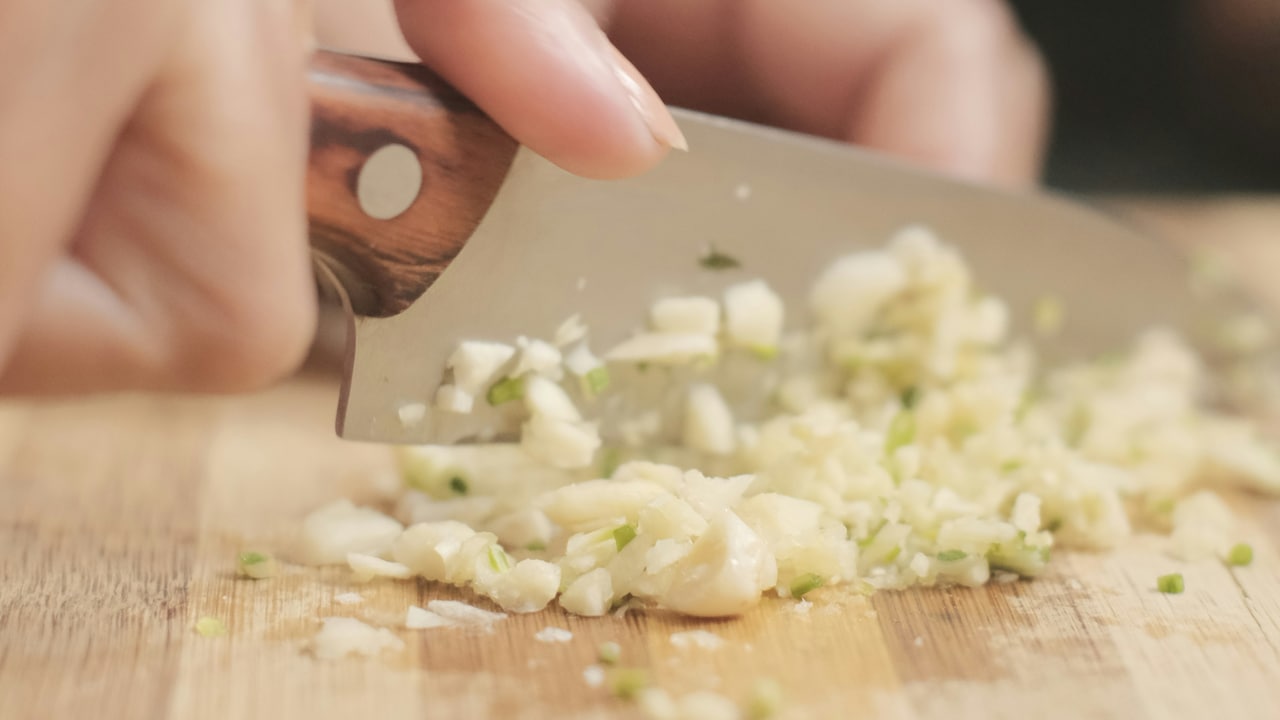
Photo: Unsplash
This was the method I was most curious about. Instead of waiting for the oil to heat, I put the garlic into the pan first and added the oil around it.
What I did
I added chopped garlic and oil to the pan together and then switched on the flame. I kept the heat low and allowed everything to warm up gradually.
What happened
This turned out to be surprisingly easy to control. As the oil heated, the garlic cooked slowly and released its flavour into the oil. It had enough time to turn golden without immediately scorching.
The problem
You still have to watch the colour towards the end. Once garlic starts browning, it can quickly go from golden to burnt.
Verdict
One of the easiest methods I tried, particularly for dishes where I wanted the garlic flavour to infuse into the oil.
Method 4: Adding Garlic After The Other Ingredients
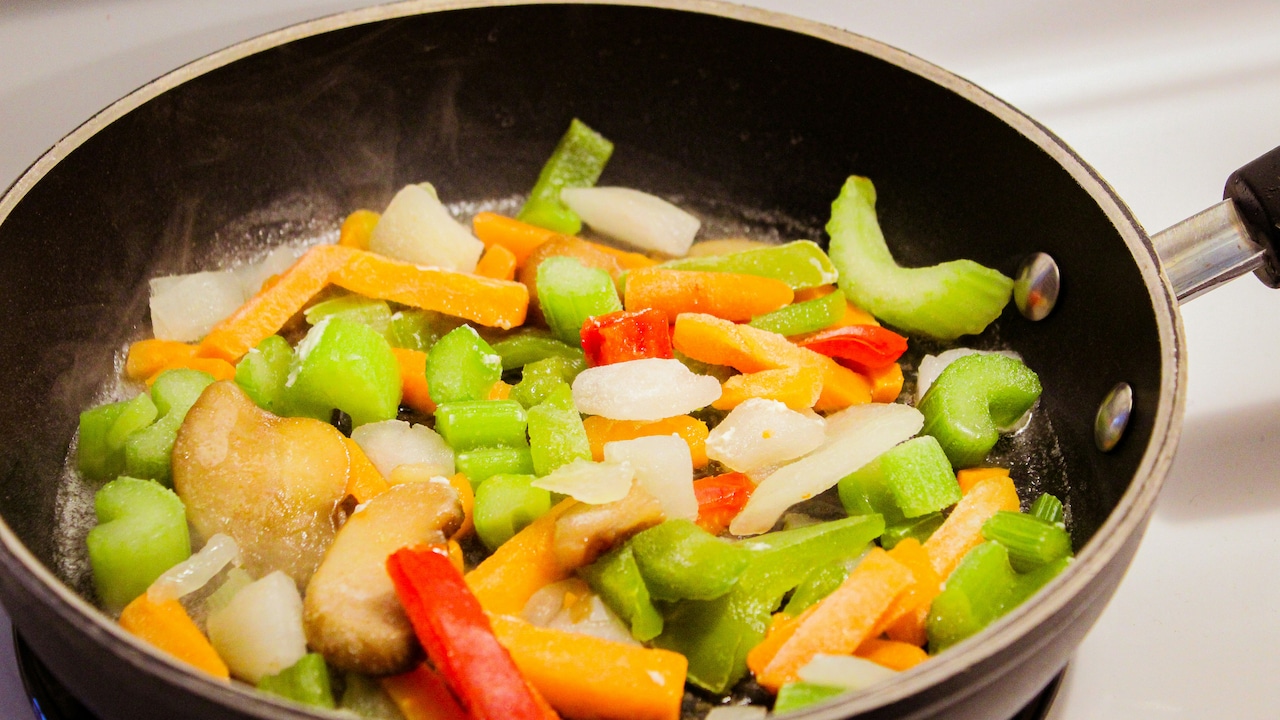
Photo: Unsplash
For my final test, I changed the order altogether. Instead of making garlic the first thing in the pan, I added it after some of the other ingredients had already started cooking.
What I did
I cooked the onions and other ingredients first and added the chopped garlic later, once there was already some moisture in the pan.
What happened
The garlic didn’t burn nearly as quickly. Because it was cooking alongside ingredients that released moisture, it had less of a chance to scorch.
The problem
This changes the flavour. Garlic cooked early in oil gives a deeper, more mellow flavour, while adding it later gives a fresher, sharper garlic taste.
Verdict
A good option when the recipe allows it, but not necessarily the right choice for every dish.
My Final Verdict
Of all the methods I tried, starting the garlic in cold oil and cooking it over low heat worked best for me. It gave me the most control and made it much easier to get evenly golden garlic without those few burnt pieces ruining the batch.
The bigger lesson was that garlic doesn’t really need aggressive heat. In fact, the hotter the pan, the less time you have to react. I also realised that I was often waiting for the oil to become very hot before adding the garlic, which was probably why I kept burning it.
Now, when I want nicely cooked garlic, I start low and let it take its time. It may add a couple of extra minutes to the cooking process, but that is still better than throwing away a perfectly good batch because the garlic has turned bitter.


