


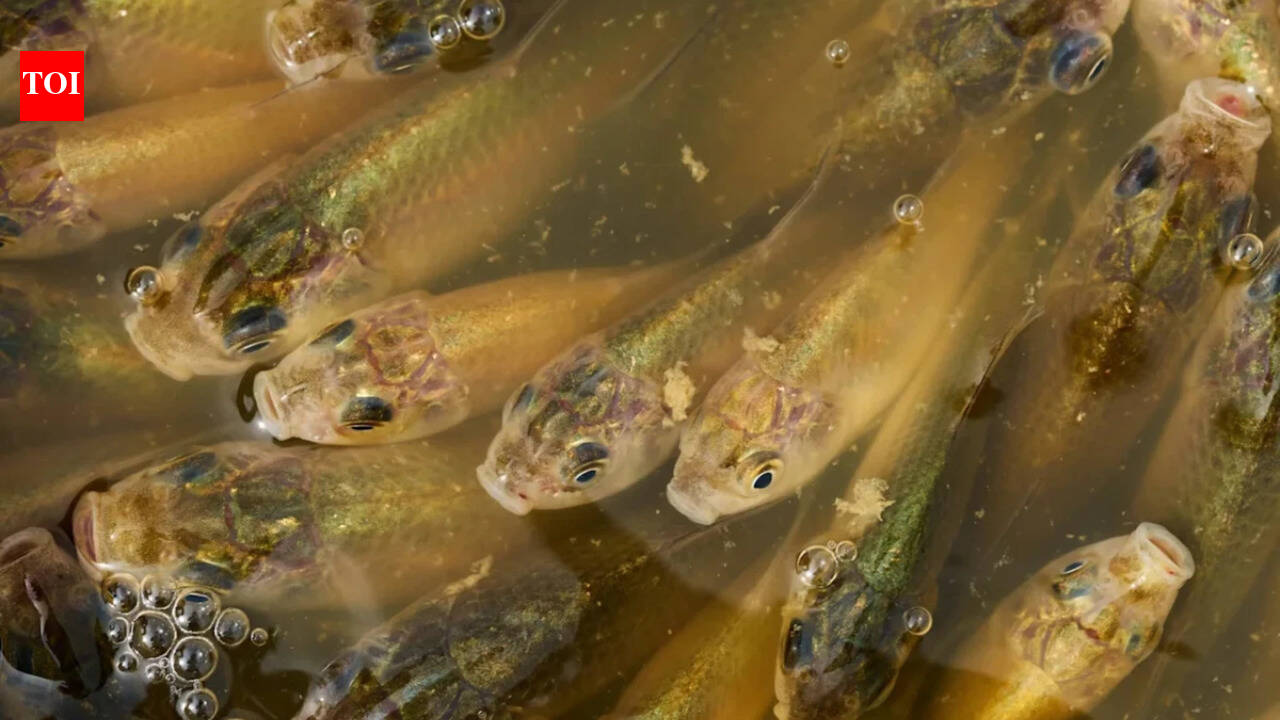
A stormwater pond in Calgary appears filled with Prussian carp; the invasive fish can produce all-female clone-like offspring and spread through drainage routes.Residents living in the northwest Calgary community of Evanston noticed that a local stormwater pond seems packed with Prussian carp, sparking serious concern over the spread of the invasive species through city drainage systems. According to Rural Roots Canada, the discovery shows how easily unwanted aquarium pets can take root in local waterways.While nobody knows exactly how the fish first got into Alberta, experts think the problem started with a goldfish release. This happens when people illegally dump unwanted pet fish into storm ponds, local channels, or rivers.Alberta was the first place in North America to spot Prussian carp. Since they first showed up, the fish have travelled through connected rivers into Saskatchewan and appeared in several Alberta river systems.
CJP Jantar Mantar Protest Updates
According to Rural Roots Canada, affected areas include the Bow, South Saskatchewan, North Saskatchewan, Oldman, Red Deer, and Rosebud rivers.
Why Prussian carp threaten local waters
Prussian carp have natural traits that make them hard to get rid of once they arrive. Native to central Europe and Asia, these fish can live in dirty water, survive tough conditions, breed fast, and steal food and living space from native fish.Most concerning is their ability to reproduce without a mate through a process where a single fish can produce all-female, clone-like babies. This means one lonely fish can start a whole new group without needing a male fish to fertilise the eggs.Having these invasive fish in local waters directly threatens city infrastructure. In Calgary, storm ponds are built to catch rainwater, cut flood risks, and clean water before it flows into the Bow River. If invasive fish take over these ponds, fixing the problem will cost extra public money and make it harder to protect the local environment.Invasive species crowd out native fish and mess up local food chains, making it harder to keep natural water systems healthy over time.
City-wide action plan underway
Knowing that the Evanston discovery is not an isolated case, local leaders are switching to a bigger city-wide plan. City of Calgary Ward 2 Councillor Jennifer Wyness said the city is working on a full plan to track and manage the fish.“Evanston is not facing this alone,” said Wyness. “I will keep you updated as the City releases their 5-year plan for invasive species in our waterways later this year.”Once Prussian carp settle into a pond or river, removing them is extremely hard, which makes stopping them early the main goal. Dumping any live fish into a city storm pond is illegal in Calgary and comes with a fine of up to $3,000 under city stormwater rules.City officials ask anyone who sees fish in a storm pond to call the 311 line right away so city workers can check it out.
Parallel wildlife conflicts: Elk pose surprising risk in Canadian parks
While water systems face fish invasions, wildlife workers in Canadian national parks face a very different problem on land.In Canadian park tourist areas, elk were linked to far more dangerous encounters with people than grizzly bears, a finding that challenges the assumption many Rocky Mountain West visitors make about which large animal poses the bigger threat.This problem seems to get worse in places where people and wild animals share space more often.Looking at Canadian park records from 2010 to 2023, researchers found that elk were involved in 62% of reported aggressive run-ins with people, more than grizzlies, black bears, coyotes, and mule deer, according to Cowboy State Daily.The study was published in Frontiers in Conservation Science.
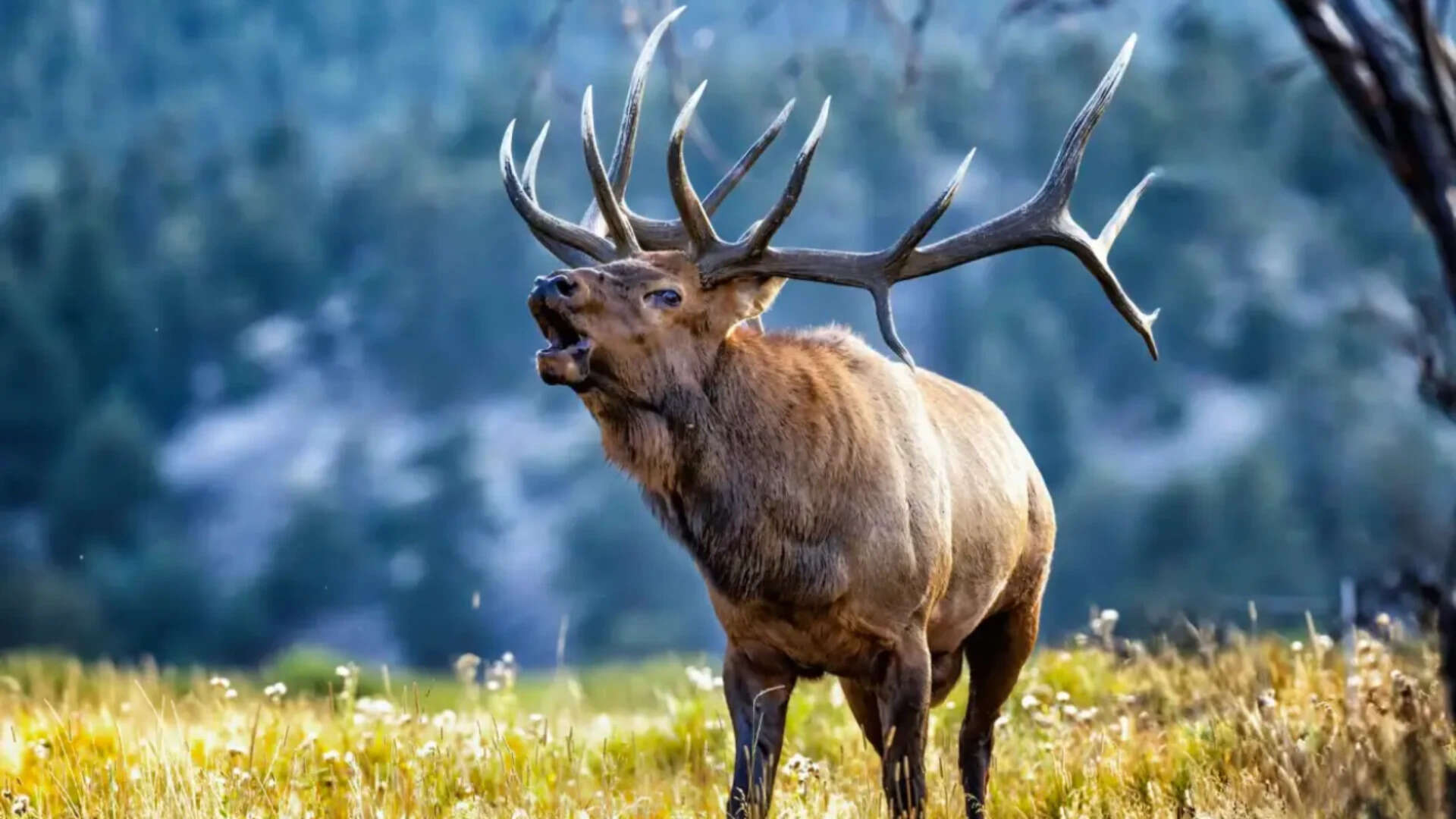
In Canada’s tourist areas, elk attack far more people than grizzly bears do, study finds
Understanding the danger of large herbivores
David Gummer, a Parks Canada wildlife management specialist who helped collect data for the study, said the animal’s size shows why these run-ins can be so dangerous.“Elk are massive, and they’ve got those hard hooves. They can inflict serious damage with those stomps and kicks,” Gummer told Cowboy State Daily.He said common injuries include broken bones, deep cuts, and concussions. However, not every aggressive run-in involved direct physical contact.As Gummer noted, “It might be evidence of the animal expressing its frustration [with people]. The elk might be stomping its feet or racking its antlers on stuff nearby.”Most problems start when people get too close. Built-up spaces inside parks can cause more of these run-ins, as elk like the open spaces and green grass found around park towns, buildings, and golf courses.At the same time, large groups of tourists can scare natural predators away, making elk feel safer around human crowds.“They like open habitat where they can watch for threats,” Gummer said, adding, “Plus, the crowds might deter natural predators from coming in.”Changing seasons also play a big part in how animals act. In spring, Gummer said, “cow elk are protective of their young,” and in fall, mating season can make male elk extra quick to anger.Two kids in Estes Park, Colorado, were hurt in separate spring 2024 incidents after mother elk thought they were a danger to their calves.Ron Dean of Etna, a retired Wyoming Game and Fish Department worker who spent 33 years running an elk feeding program, told Cowboy State Daily that elk living away from big tourist hubs are usually more scared of people.Dean put it even more simply: “Especially those bull elk, during the rut, they were mean.”
Safety distances and management methods
Park staff are focusing mostly on keeping people and wildlife at a safe distance from each other.Visitors in Canada are told to stay at least 98 feet (30 meters) away from elk, deer, and moose (about the length of three buses) and to stay 328 feet (100 meters) away from wolves and bears. These rules match the safety guidance used in major US parks like Yellowstone and Grand Teton.When safety signs are not enough, park staff might build fences in busy areas or chase elk away from crowds. Gummer said staff might drive trucks toward them or walk up while “making themselves look bigger” to scare the animals off.In some cases, wildlife staff use paintball guns loaded with chalk rounds to push elk out of crowded areas.Visitors should keep their distance, never step between a mother elk and her calf, and take extra care during spring and fall. If an elk starts stomping, puffing up, or hitting nearby objects with its antlers, park staff say to step back slowly and calmly.



