


Anthropic CEO Dario Amodei has said that artificial intelligence is likely to automate coding before taking over the broader field of software engineering, while emphasising that human-centred skills, critical thinking, and AI-focused industries will become increasingly valuable in the years ahead.
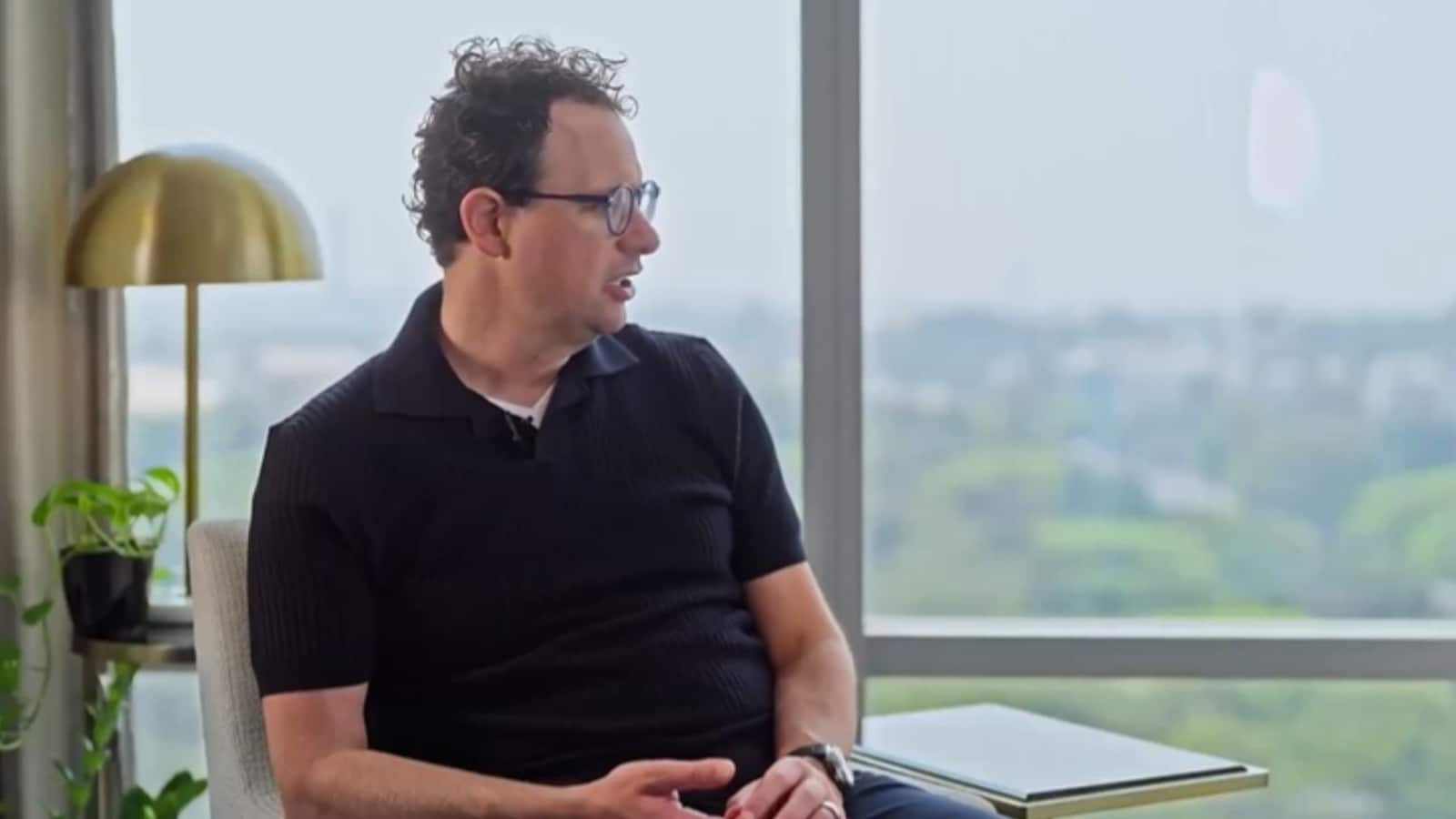
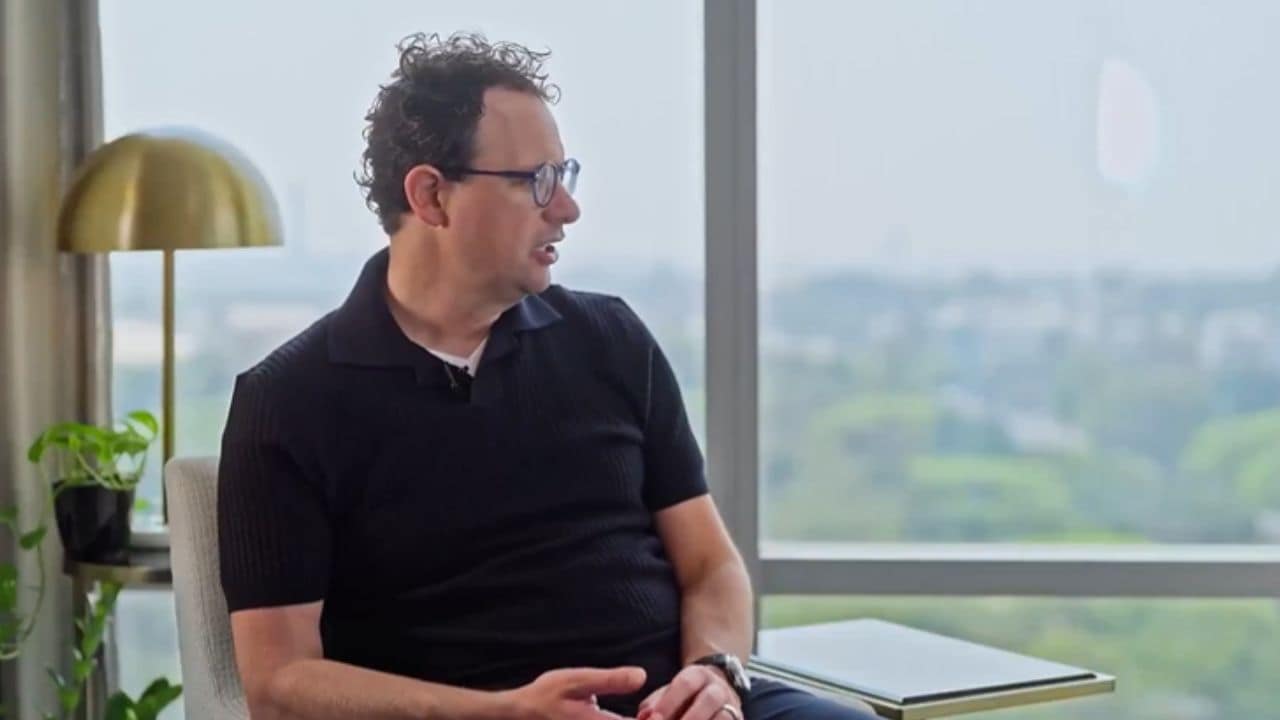
Speaking with Indian entrepreneur Nikhil Kamath on his podcast, Amodei discussed how AI is reshaping careers, software development, and education, while offering advice to young professionals trying to choose future-ready skills.
Responding to a question on which industries are likely to see the biggest disruption, Amodei said software development is becoming increasingly AI-driven.
“I think coding is going away first,” he said, adding that AI models will automate coding before handling the broader responsibilities of software engineering.
“The broader task of software engineering will take longer. But I think doing that end-to-end is going to happen as well,” he said.
ANTHROPIC CEO: “CODING IS GOING AWAY FIRST, THEN ALL OF SOFTWARE ENGINEERING” pic.twitter.com/4Sjo9LSB4C
— Vivek Sen (@Vivek4real_) July 8, 2026
However, he noted that certain aspects of software development would continue to require human involvement, including product design, understanding user needs, identifying market demand and managing teams of AI systems.
Even if humans contribute only a small portion of the work, AI can dramatically increase productivity, he said. “If you’re only doing 5% of the task, the AI does the other 95%, you become 20 times more productive.”
Asked what skills young people should invest in today, Amodei advised focusing on fields that complement AI rather than compete with it.
He suggested opportunities in semiconductor technologies and other traditional engineering disciplines that involve the physical world, while also highlighting the importance of professions centred on human interaction.
“Anything where you’re building on AI, where AI is the tailwind,” he said, adding that human-centred professions and industries combining analytical thinking with real-world applications are likely to remain resilient.
Mr Amodei also stressed that critical thinking could become one of the most valuable skills in an AI-driven world.
“As AI can generate anything and create anything, having basic critical thinking skills may be the most important thing to success,” he said.
He warned that increasingly realistic AI-generated images and videos could make it difficult to distinguish genuine content from fake information, making “street smarts” and the ability to verify information essential.
The Anthropic chief also cautioned against relying excessively on AI, saying careless use could erode important human abilities.
Referring to students using AI to complete assignments, he said, “It’s basically just cheating on homework.”
He added that Anthropic’s internal studies found that some ways of using AI for coding can lead to “de-skilling,” while more thoughtful use can help people improve rather than lose their abilities.
When asked whether AI could make humans less intelligent over the next decade, Amodei said the outcome would depend on how society chooses to use the technology.
“If we deploy AI carelessly, then yes, people could become stupider,” he said. “Even if an AI is always going to be better than you at something, you can still learn that thing. You can still enrich yourself intellectually.”
Kamath raised concerns about the steep learning curve involved in using AI coding tools such as Claude Code for non-programmers.
Amodei said Anthropic is working to simplify AI interfaces and has introduced more user-friendly tools for people without coding experience. He added that while structured learning resources and courses can help, mastering AI largely comes through hands-on practice.
“It’s a very empirical science. You mostly learn by doing,” he said, adding that Anthropic plans to release more educational content and tutorials to help users learn effective prompting and AI workflows.



