


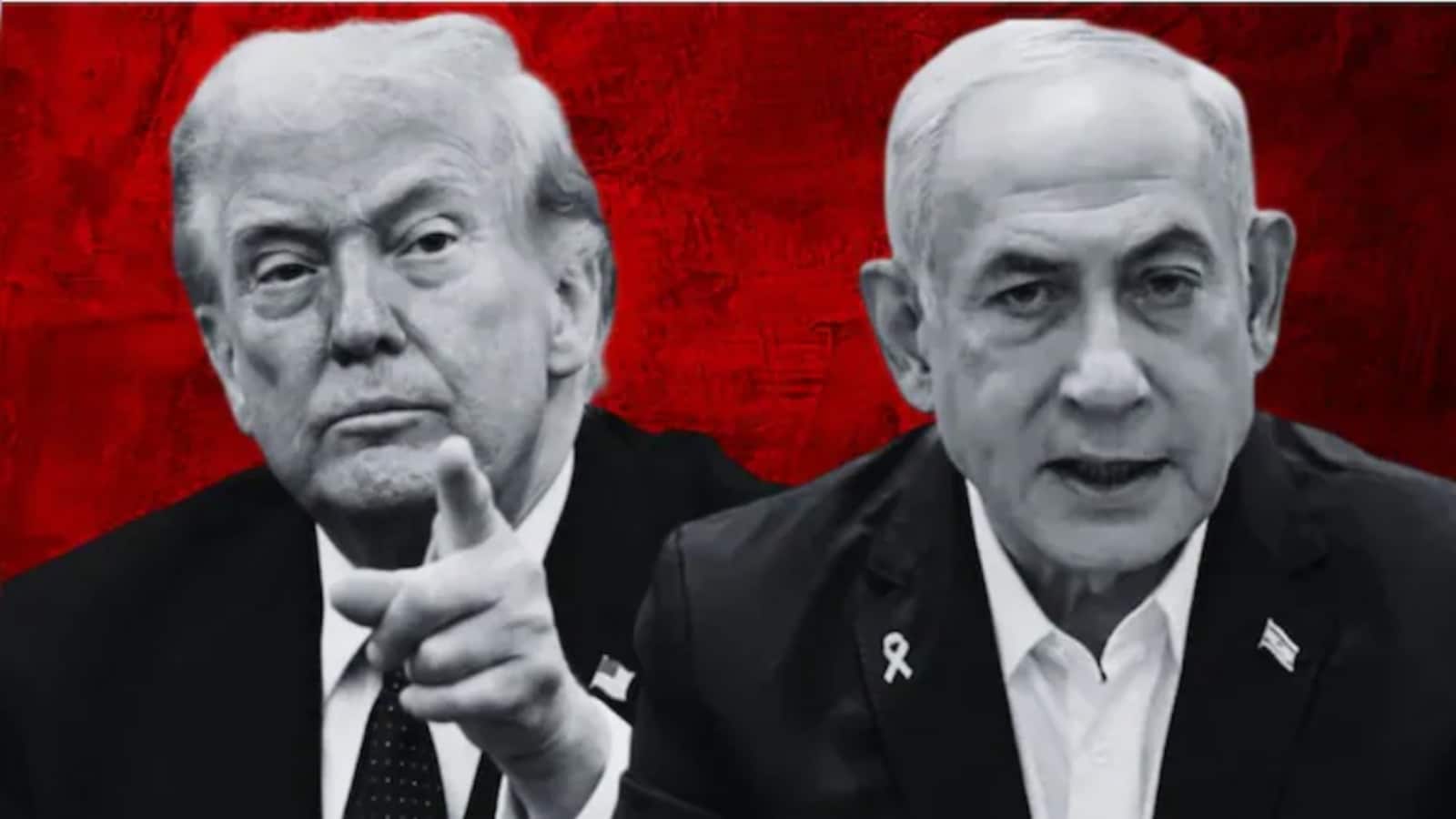
Israeli Prime Minister Benjamin Netanyahu is facing mounting criticism at home after the preliminary US-Iran agreement sparked a political backlash across Israel’s political spectrum, with rivals and commentators questioning whether he misjudged both Iran and US President Donald Trump.
The deal, which paves the way for extending the ceasefire between Washington and Tehran, and reopening the Strait of Hormuz, has drawn sharp criticism from Israeli opposition leaders and former officials who argue that Israel’s strategic objectives remain unmet despite months of conflict.
Addressing reporters on Monday, Netanyahu insisted Israel would continue acting to prevent Iran from acquiring nuclear weapons. “With an agreement, without an agreement,” Netanyahu said, “as long as I am the prime minister of Israel, it will not happen.”
However, critics contend that Netanyahu led Trump into a conflict with Iran while overstating what military action could achieve, only to see Washington pursue a diplomatic exit before Israel secured its goals.
Former Israeli Prime Minister Ehud Barak accused Netanyahu of strategic miscalculation. “Israel is paying the price of Netanyahu’s hubris and blindness, and the price of the manipulations that he tried to pull on Trump,” Barak told Israel’s public broadcaster. “Iran emerged stronger; Israel emerged weaker. That is Netanyahu’s strategic responsibility. He failed.”
Opposition leader Yair Lapid described the emerging agreement as “one of the most shocking failures in Israel’s foreign and security policy,” adding that the outcome would be “entirely registered in Netanyahu’s name.”
The agreement has also complicated Israel’s military posture in Lebanon. While Israel is not a party to the US-Iran deal, Tehran had reportedly pushed for an end to Israeli military operations in Lebanon as part of broader efforts to de-escalate the conflict. Despite Defence Minister Israel Katz vowing to maintain troops in Lebanon, analysts say Netanyahu may face pressure from Washington to scale back operations.
Daniel Shapiro, former US ambassador to Israel, warned that the arrangement could strengthen Hezbollah’s leverage. “All Hezbollah has to do is get one rocket across into an Israeli town in northern Israel, and then the pressure on Netanyahu … will ramp up,” Shapiro said.
ALSO READ: JD Vance Explains What’s There In Peace Deal; Says Iran Will Never Get Dime Of US Taxpayers Money
Critics also argue that the war failed to deliver a decisive blow to Iran’s nuclear and missile capabilities. While Israeli officials believe military operations delayed Tehran’s nuclear programme, analysts say Iran’s broader strategic objectives remain intact, while its regional influence and ability to disrupt shipping through the Strait of Hormuz continue to pose challenges.
Political commentator Anna Barsky wrote in Ma’ariv that the conflict “delayed the Iranian nuclear programme, but did not change its objectives.” Concerns have also emerged over reports that the agreement could include phased sanctions relief and the release of frozen Iranian assets.
“Trump signs an agreement that funnels billions to the Ayatollahs’ regime, leaves the nuclear infrastructure intact, preserves the ballistic threat as is, and throws a lifeline to the murderous regime in Tehran,” said Yair Golan, leader of a centre-left opposition party and former Israeli general.
Essential Business Intelligence,
Sharp Market Insights,
Practical Personal Finance Advice, Daily Fuel, Gold and Silver Prices and Latest Stories — On NDTV Profit.



