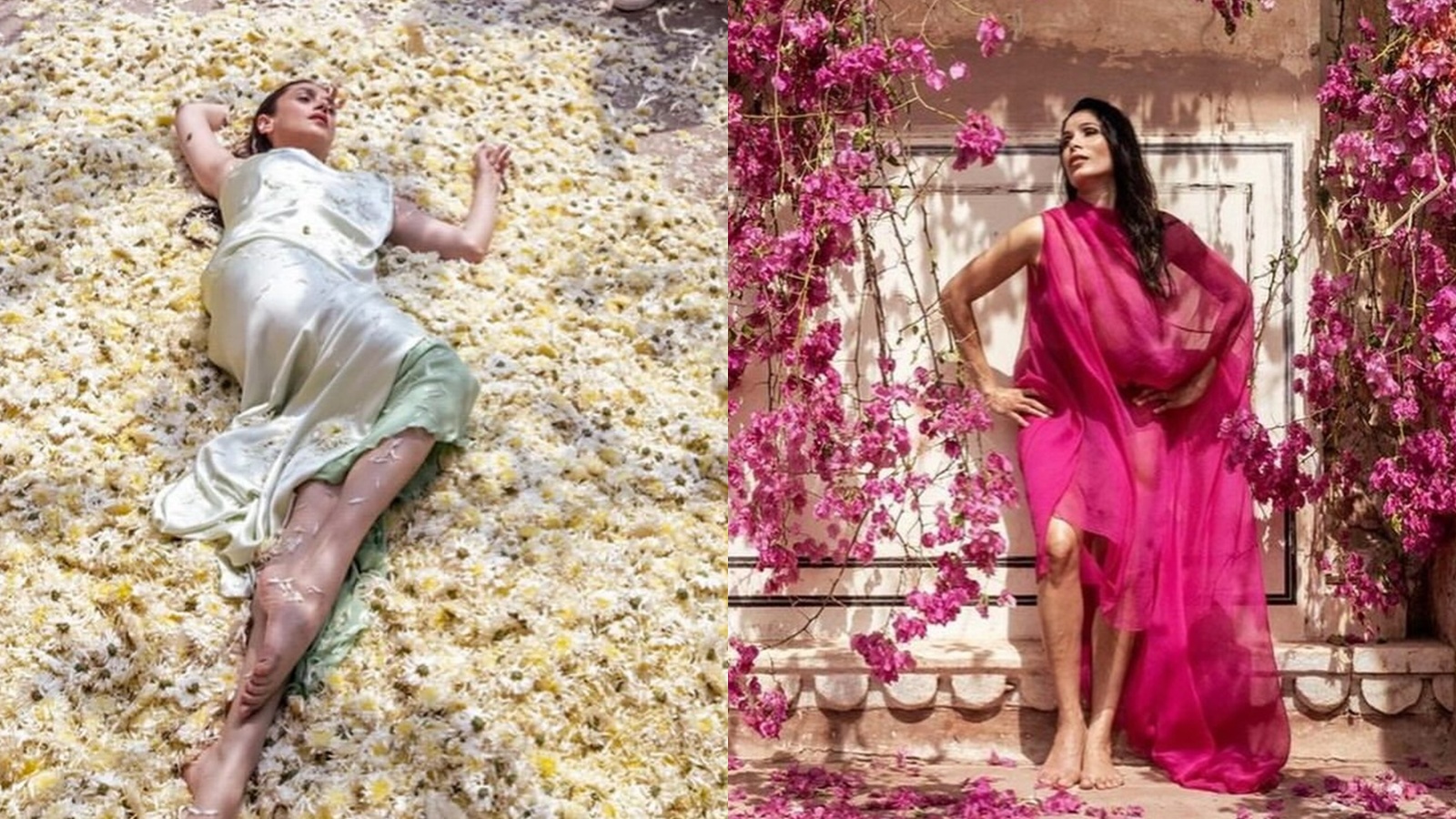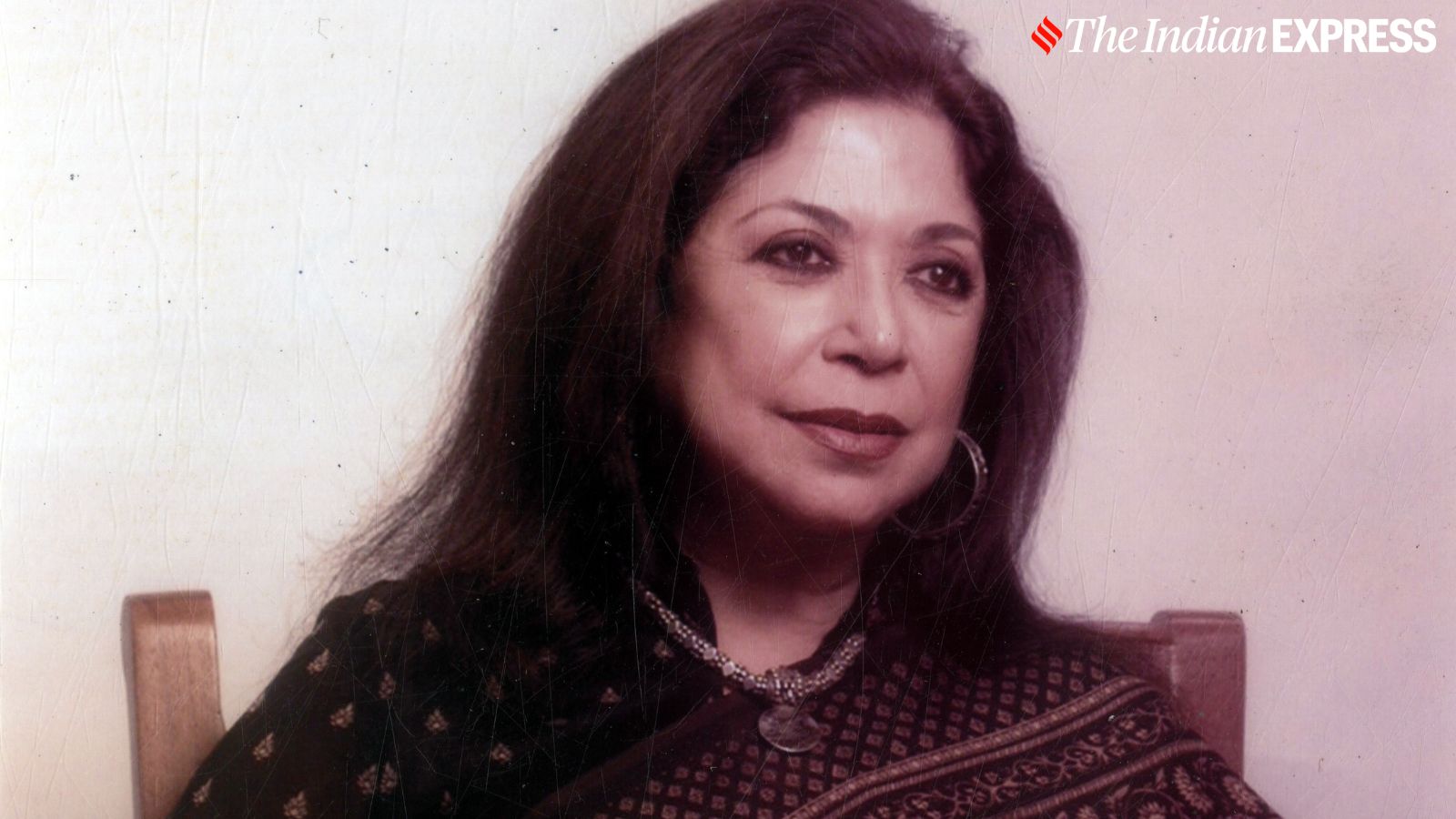
Veteran designer Ritu Kumar has found herself at the centre of an online debate after a statement she made about the origin of the term zardozi during an interview on The Masoom Minawala Show.
Speaking about one of her collections, Kumar said, “The word zardozi was not there. I did an exhibition, but I didn’t know what to call it. Zar is the name from Iran, and dozi, I stuck with it, and we put zardozi. Now today it’s become a generic term (sic).” Her comment surprised the host Masoom Minawala, who responded, “Oh, really?” before adding, “And then it just took off.” Kumar replied in the affirmative.

The claim quickly drew criticism online. Several users backed their criticism with historical references. One YouTube user commented, “All respect to her, but she did not make ‘zardozi’ happen. It was present long before her.” Another user added, “She DID NOT coin zardozi.”
The discussion has also raised broader questions about the importance of historical accuracy when documenting traditional crafts and the importance of shaping public understanding of cultural heritage.
History and origin of zardozi
Saru Subba, a historian, tells indianexpress.com, “Zardozi traces its origins to ancient Persia, where artisans used gold and silver threads to embellish royal garments, ceremonial textiles, and court furnishings. The word itself combines the Persian words zar, meaning gold, and dozi, meaning embroidery. While the craft flourished in Persian courts, it reached new artistic heights in India under the Mughal Empire, particularly during the reign of Emperor Akbar, who actively patronised skilled artisans from different regions.”
“Zardozi has Persian linguistic origins and evolved into one of India’s finest embroidery traditions through centuries of patronage, craftsmanship and innovation,” notes Rishi Raj, Fashion Director and Brand Image Consultant.
Continuing, Subba adds that Indian craftsmen adapted the technique “by incorporating local motifs, regional aesthetics, and materials, transforming it into a distinctive part of India’s textile heritage.” Today, he says, Indian zardozi is not simply a continuation of Persian craftsmanship but a centuries-old artistic tradition that reflects cultural exchange and indigenous innovation.
Story continues below this ad
Stylist Nidhi Sharma, founder of Styledarzi, states, “I don’t think this term was coined by Ritu ma’am. She was the one who popularised it in the 1960s or 1970s through her different outfits. I still remember a bridal lehenga covered entirely in zardozi work that became very famous. So, yes, one important contribution of Persian embroidery to Indian textiles was the introduction of motifs.
This is supported by Ritu Kumar’s 2024 Instagram post, where she mentions that by the 1970s, after beginning her work with hand-block printers in Serampore, she wanted to embellish her hand-block printed saris with subtle embroidery for Diwali. During this search, she happened to discover a group of exceptionally skilled embroiderers in Ranihaati, a village across the Ganges. At the time, the artisans were producing basic embroidery and were paid according to the weight of their work, a system she felt failed to reflect their true craftsmanship. The caption stated, “So I attempted a revival of their craft. Despite trying my hardest, I could not find the genesis of their original work apart from oral references to Bengali nawabs and their clothing. There were no museums or books that enabled one to see vintage costumes with embroidery, work on styles, or ensembles.”
She added, “Initially, it was difficult to replace the sophistication of the pure gold and silver threads with look-alike materials available locally. So, I went straight to the source and learnt how to replicate the aesthetics of plating yarns with a gold wash in Varanasi. With this and the inherent skills of the embroiderers, like magic, a vast vocabulary of stitches evolved. The collection made with these embroideries worked so well in our small retail outlets in Calcutta, Delhi, and later Bombay, that we could not meet the demand.”
Preserving heritage without rewriting its origins
Revival and preservation are among the most valuable contributions a designer can make to a traditional craft, but revival is different from authorship. Subba explains, “Heritage crafts carry centuries of history, shaped by generations of artisans across cultures and regions. Designers help sustain these traditions by creating contemporary relevance, expanding markets, and generating livelihoods for craft communities.”
At the same time, he notes that preserving historical accuracy is equally important. “Acknowledging the documented origins of a craft does not diminish the efforts of those who revived it. Instead, it strengthens its legacy by ensuring that cultural history remains authentic while celebrating the people who have kept the tradition alive for future generations.”
Story continues below this ad
Fashion is built on storytelling, Raj shares, but those stories should be rooted in fact. “Traditional crafts represent the work of generations of artisans and entire cultural histories. When we get the facts right, we’re giving credit where it’s due and protecting the integrity of that heritage. Accurate storytelling doesn’t diminish a designer’s contribution. It actually strengthens it.”
DISCLAIMER: This article is based on information from the public domain and/or the experts we spoke to.