


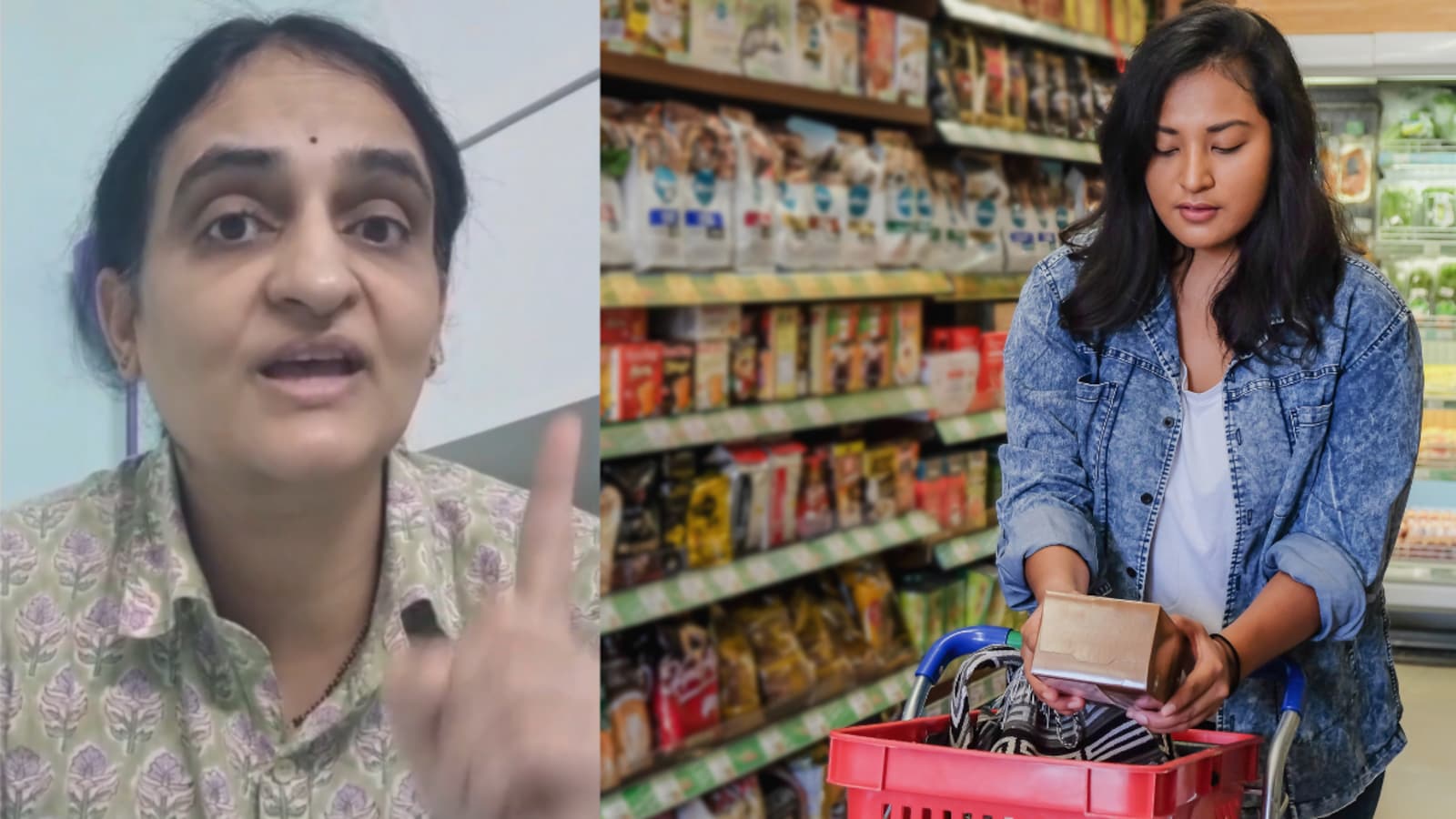
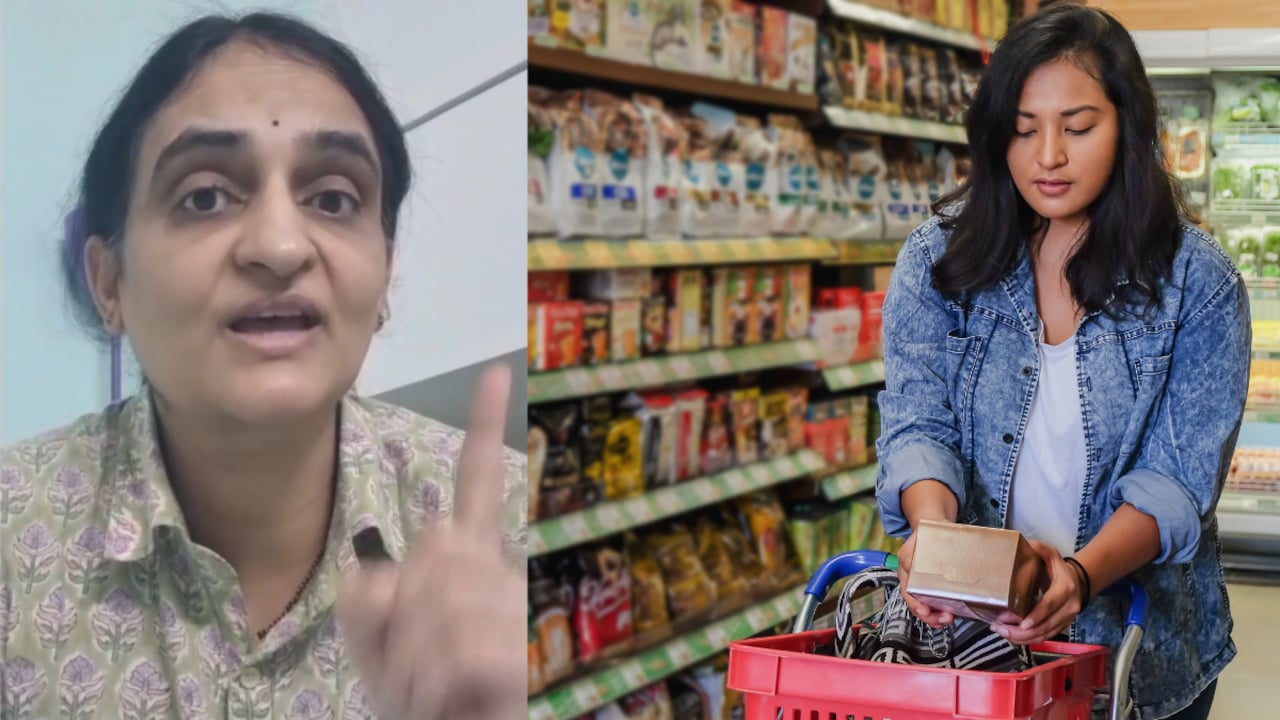
A debate over food labels is back in focus after pediatrician Dr Sivaranjini shared a post on X, saying India needs simple warning labels on packaged foods to help people make healthier choices.
In her post, she said consumer protection groups are calling for Front-of-Pack Labelling, or FOPL, warnings, while the food industry has backed alternatives such as Health Star Ratings and Nutri-Score. She added that the issue has also reached the Supreme Court, bringing fresh attention to how packaged foods are labelled in India.
What Is FOPL?
Front-of-Pack Labelling, or FOPL, is exactly what it sounds like. It puts easy-to-read nutrition information on the front of a food packet, instead of making shoppers search through the detailed nutrition table on the back.
The aim is to help people spot foods that are high in sugar, salt or saturated fat within seconds.
It is also seen as one way to help tackle lifestyle diseases such as obesity and diabetes by making nutrition information easier to understand.
The Food industry is lobbying for the Health Star Rating similar to the Nutri Score system. The Consumer Protection groups are asking for the FOPL warnings. The Honourable Supreme Court has directed the FSSAI to get back to the court about the FOPL warnings.
Guess why it is not… pic.twitter.com/VnuRADyUjq— Dr.Sivaranjini (@dr_sivaranjani) July 31, 2026
Dr Sivaranjini says warning labels are the simplest way to help people make informed food choices. Imagine picking up a packet and seeing a bold message saying “High in Sugar” or “High in Salt.” There is nothing to calculate and nothing to decode. The label tells you exactly what you need to know before you buy it.
According to her, that is much easier than trying to understand nutrition numbers or overall health scores.
Also Read: Chinese Chef’s Resemblance To Elon Musk Makes Him An Overnight Social Media Sensation
How Is This Different From Health Star Ratings?
Not every Front-of-Pack label works the same way. Around the world, different countries use different systems. Warning labels are used in several countries, especially in Latin America, while Nutri-Score is used in parts of Europe.
Some countries use warning labels that clearly say a product is high in sugar, salt or fat. Others use systems like Health Star Ratings or Nutri-Score. These give the product an overall score or grade based on its nutrition.
Dr Sivaranjini believes this can sometimes be confusing because a product that is high in sugar may still receive a better overall rating if it also contains added fibre, protein or vitamins. Her argument is that warning labels keep the focus on nutrients that people may want to limit.
Most people don’t spend several minutes reading nutrition tables while shopping. A simple label on the front of the pack can be understood almost instantly. That makes it easier to compare products and make a quick decision.



