


Southern Europe is battling one of its worst wildfire seasons in years. More than 240,000 acres have already been scorched across Spain this summer, with one blaze in the country’s south becoming one of its deadliest.
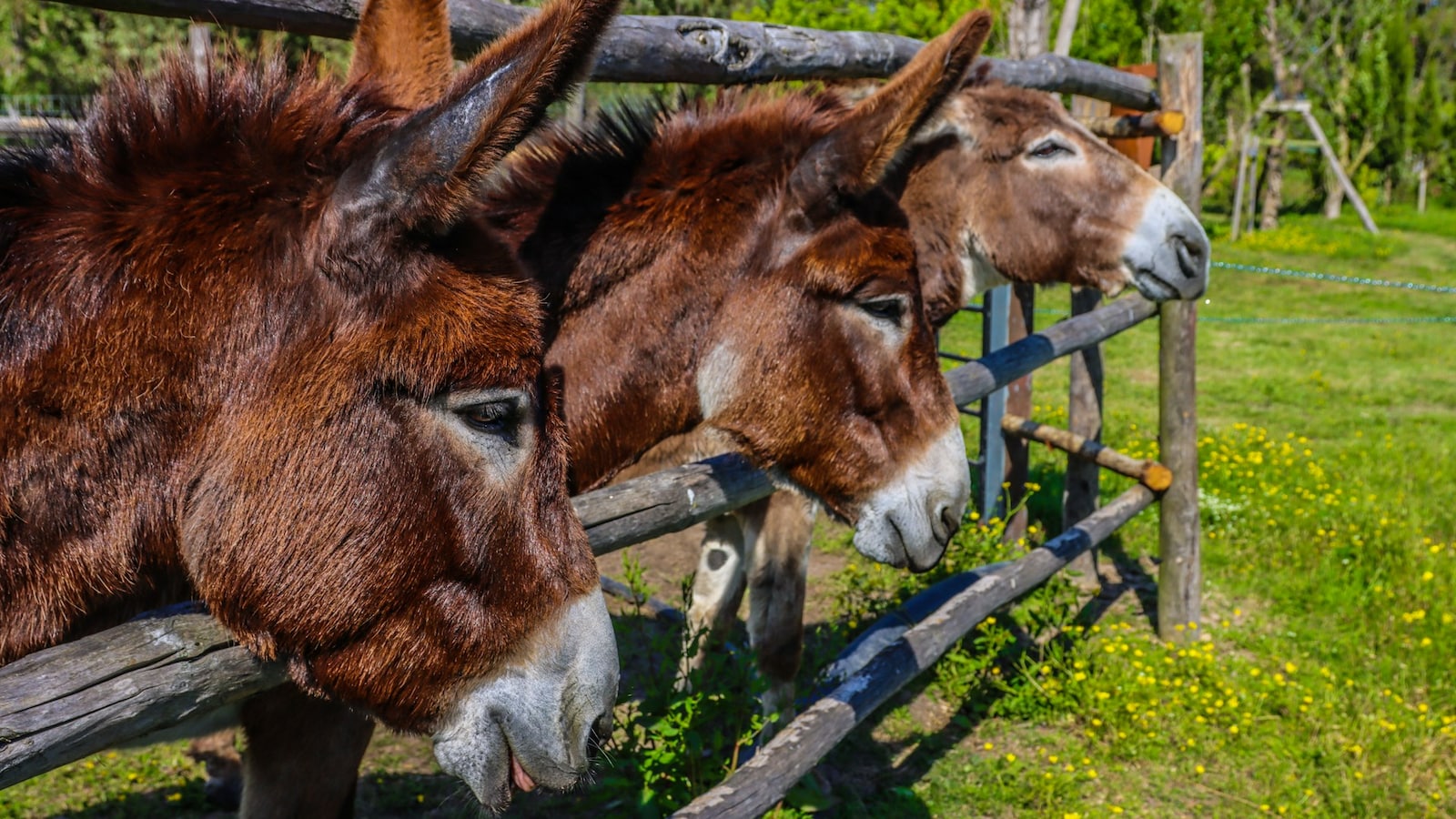
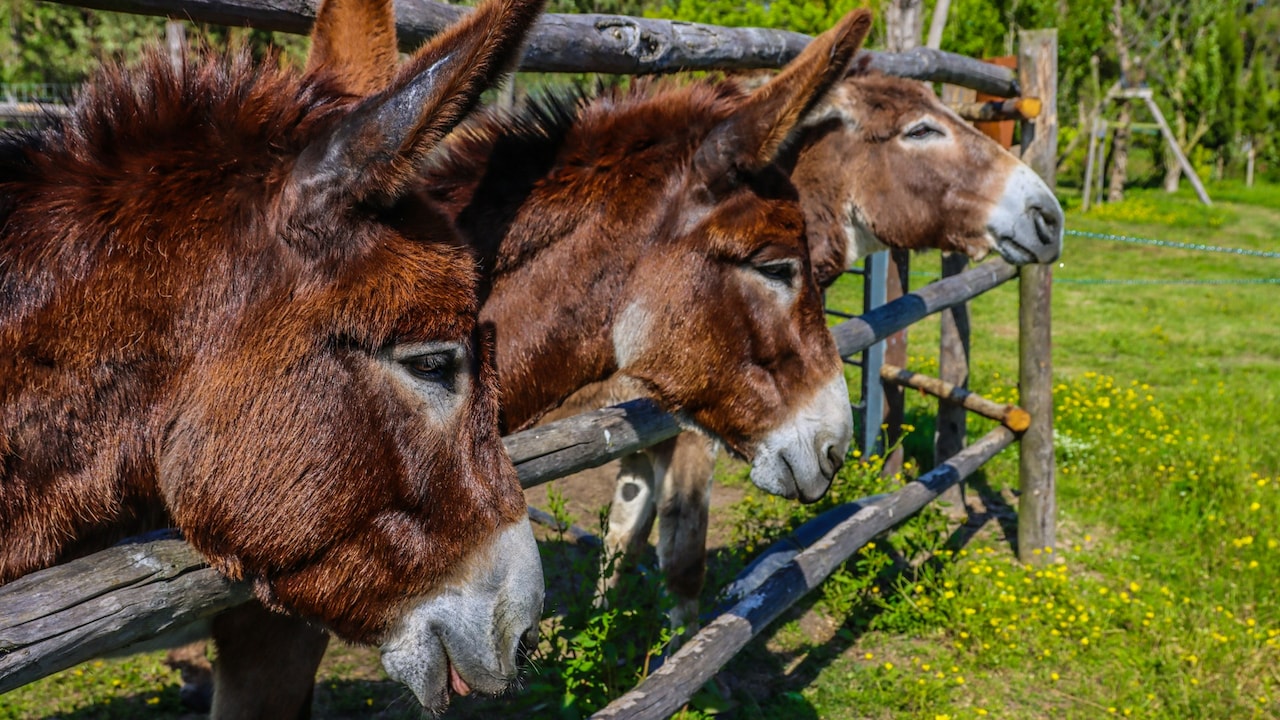
Governments are increasingly turning to satellites, drones and artificial intelligence to predict and fight fires. But in the hills of Catalonia, about 80 miles south of Barcelona, a very different firefighting force is quietly at work, a herd of rescued donkeys.
According to a report by CNN, instead of carrying hoses, these animals are eating their way through the dry vegetation that fuels wildfires.
The Rescued Donkeys Clearing Spain’s Forests
The non-profit Tivissa Donkey Firefighters have found an unusual way to tackle two problems at once, giving abandoned and mistreated donkeys a new purpose while reducing the risk of devastating wildfires.
The organisation rehabilitates rescued donkeys and sends them to graze in forests, mountains and rural land. By feeding on dry grasses and undergrowth, the animals create natural firebreaks that slow the spread of flames.
Founder Joan Cedo Sans started the project in 2020 with just a handful of donkeys. Today, the herd has grown to 62 animals that move across both public and private land in southern Catalonia.
“We’re grateful for the animals that we feel deserve a second opportunity,” Cedo told CNN.
The idea came from personal experience. After witnessing wildfires threaten his land in Catalonia in 2013, Cedo wondered whether donkeys could clear the dense vegetation surrounding it.
“They ate everything,” he said.
What began as an experiment has now become a full-fledged conservation effort. Cedo, who is now the mayor of Tivissa, has handed the daily management of the project to volunteer Jordi Garcia.
“It’s very gratifying,” Garcia said. “You’re out in nature, and you’ve given these animals a chance.”
A Second Chance For The Animals
Many of the donkeys have difficult pasts.
Roberto, one of the earliest arrivals, was once a racing donkey before being sent to a slaughterhouse because he was considered too bulky to win races.
“He is special, and I think he knows it,” Cedo said.
Another donkey, Paloma, arrived severely overweight after being regularly fed “supermarket cookies and sugar cubes”.
“That’s not a diet for an animal like this … It’s a kind of mistreatment as well,” Cedo said.
Today, the animals live together in a herd, receive veterinary care from volunteers and are fed donated produce from nearby farms and even a local theme park.
Cedo believes the arrangement benefits everyone. The donkeys get what he calls a “dignified life”, while their daily grazing helps make forests safer.
Why Donkeys Make Surprisingly Effective Firefighters
According to Dr Jordi Bartolome Filella, a herbivore ecology researcher at the Universitat Autonoma de Barcelona, donkeys naturally eat the dry grasses that become highly flammable during Mediterranean summers.
These grasses form what’s known as “fine fuel”, the vegetation that catches fire most easily and helps flames spread rapidly.
He says combining different grazing animals produces the best results because each targets different types of vegetation.
“For a very thorough effect, it works well to combine different types of herbivores,” Bartolome explained, “so that they act on the different layers and species of the undergrowth.”
Goats have already become popular in places like California, where companies rent herds to clear fire-prone hillsides.
But Cedo believes donkeys offer something unique.
“The work donkeys do, neither goats nor sheep can do,” he said. “They weigh more, so every time they tread, they tread harder, they eat more.”
Their heavy footsteps also break up thick layers of dry vegetation on the forest floor, making it harder for fires to race across the landscape.
Researchers say grazing livestock is often cheaper than using heavy machinery to clear vegetation. Still, experts stress it is only one part of a broader wildfire strategy.
“It is difficult to guarantee that with livestock grazing there will be no fires,” Bartolome said, “but it can make them lower in intensity and therefore easier to extinguish.”
Working Alongside Firefighters
The donkeys don’t replace firefighters, they support them.
Catalonia’s specialist wildfire unit, GRAF, sometimes creates firebreaks in the same mountain areas where the donkeys later graze, helping keep those corridors free of flammable vegetation.
“It’s a win-win,” Cedo said. “They open the firebreaks, we put the animals there, and we keep it clean.”
He added that the trails created by the donkeys can also help firefighters move equipment, as the paths can be used “to run hoses if there’s a fire”.
An Old Practice Returning
Using grazing animals to manage wildfire risk is far from a new idea. For centuries, livestock naturally kept Mediterranean landscapes from becoming overloaded with dry vegetation.
“Without large herbivores, sooner or later this biomass would be ‘eaten’ by fire. Unlike the herbivores, fire consumes it suddenly, with wide-ranging consequences for the ecosystem and risks to people,” Bartolome said.
The need for such solutions is becoming more urgent. The European Union recorded its most destructive wildfire season on record in 2025, with Spain alone losing nearly a million acres of land. Wildfires across Europe also released a record 13 million tonnes of climate-heating carbon, while smoke from the fires travelled thousands of miles, affecting air quality far beyond the burn zones.
Across Spain, similar nature-based projects are gaining ground. In Galicia, wild horses are being reintroduced as “natural lawnmowers” in fire-prone areas. Elsewhere in Catalonia, the “Ramats de Foc” (Fire Flocks) initiative partners shepherds with firefighters, with meat and cheese sold under a wildfire-prevention label to help fund the work.
Can Projects Like This Survive?
Despite growing recognition that grazing animals help reduce wildfire risk, funding remains a major obstacle.
Bartolome believes governments should pay for grazing projects as an ecosystem service, just as they fund mechanical clearing of forests.
Cedo says shepherds currently receive just 70 to 80 euros per hectare cleared, which is not enough to keep many such initiatives going. His own organisation continues to rely on donations and partnerships to care for its growing herd.
Still, he believes the project’s biggest achievement goes beyond fire prevention.
“This project was born from nothing, by chance,” Cedo said. “But it’s been a profound lesson, socially, personally.”
“We aren’t doing anything our ancestors didn’t do,” he added. “All we’re doing is putting value back on those rural tasks, that way of life that depended so much on animals.”



