














.jpg "What Is “Ferritin Face”—And Do You Have It?")






New Delhi:
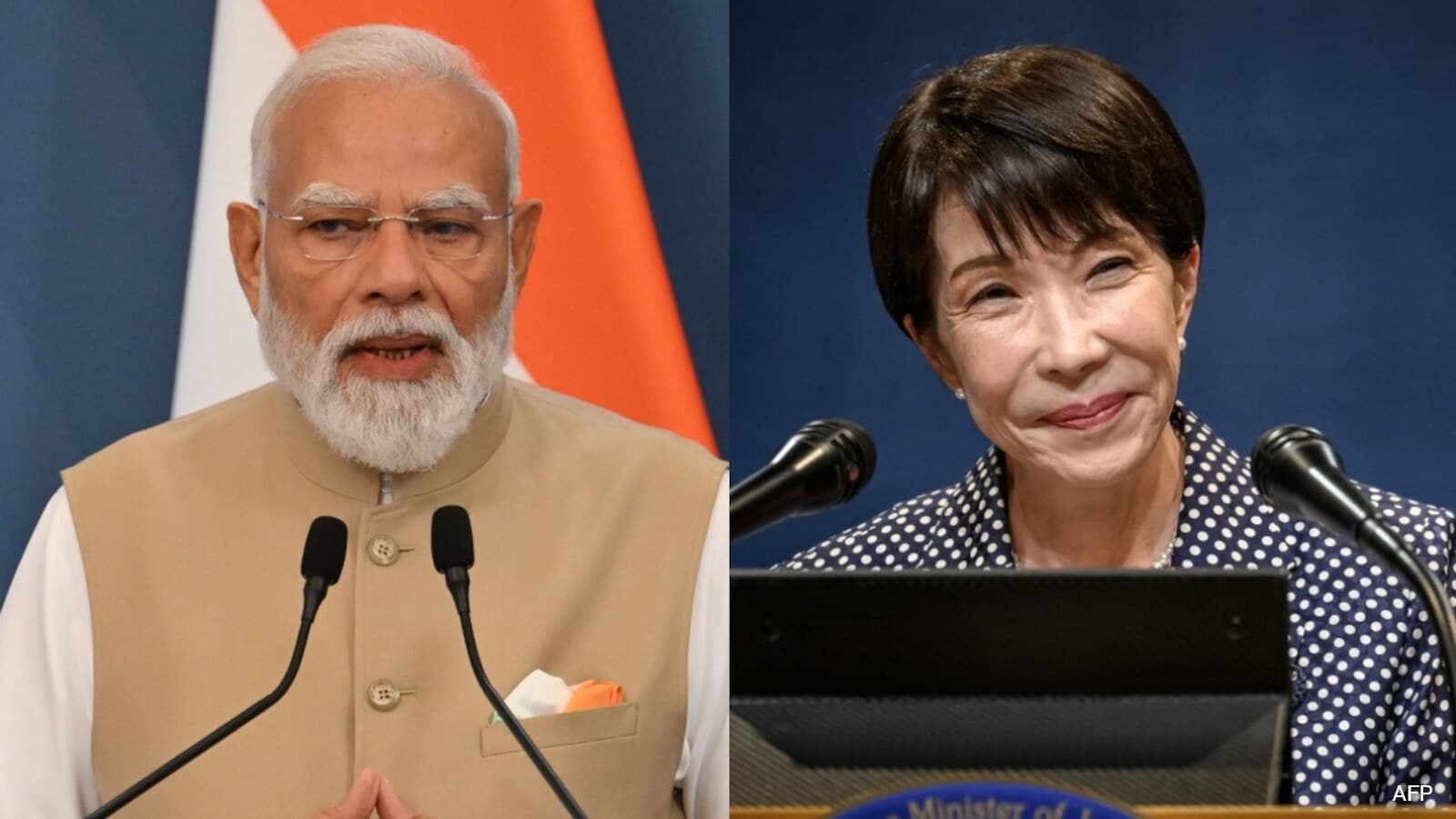
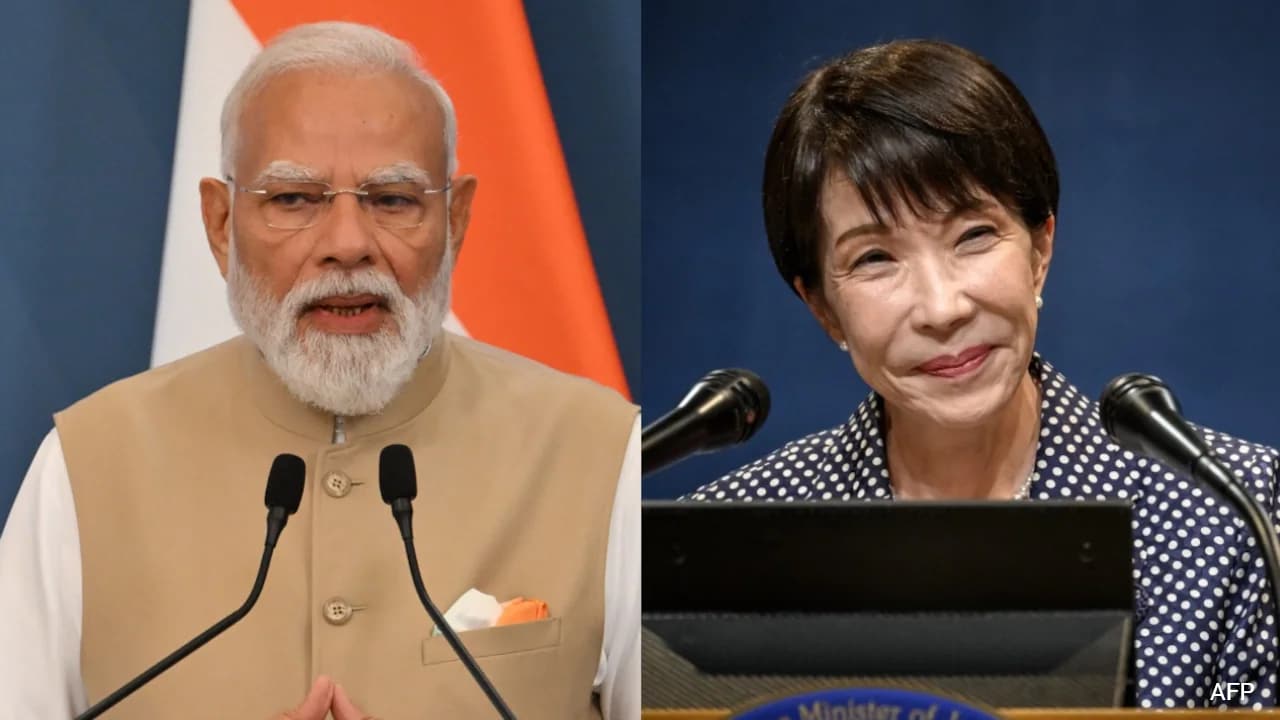
As part of the rapidly expanding relations, India and Japan are all set to release their groundbreaking Joint Declaration on Economic Security Cooperation during Prime Minister Narendra Modi’s meeting with Japanese Prime Minister Sanae Takaichi in New Delhi.
The Joint Declaration would ensure that economic security forms the core of the India-Japan special strategic and global partnership, encompassing everything from critical technologies and resilient supply chains to semiconductors, artificial intelligence, clean energy and strategic minerals. Senior diplomatic sources told NDTV it is likely to emerge as the flagbearer of the visit.
In a time when global supply chains are under fresh threat of disruption amid intense strategic competition in the Indo-Pacific, New Delhi and Tokyo are moving in the same direction. The Joint Declaration would reflect a clear evolution of the partnership, which combines the elements of economic resilience with national security objectives.
Artificial Intelligence, Semiconductors And Clean Energy
Artificial intelligence would be a specific subject for a separate joint statement between the two sides, who also plan to collaborate on research and development, industrial applications, digital public infrastructure, skill development and responsible governance of technologies.
Other areas of focus include semiconductors, advanced battery technology, pharma, biogas, oil and gas production and advanced manufacturing. Among the efforts related to clean energy, Japan is expected to support India in establishing a major green ammonia plant in India — which can decarbonise shipping and fertiliser sectors besides ensuring long-term energy security.
Strategic minerals would be another important topic for both sides. India and Japan have been working towards securing diversified supply chains of materials required for electric vehicles, batteries and renewable energy technologies. Several new understandings and agreements on exploration, processing and resilience are likely to come out during the summit.
Next-Generation Mobility And Defence Cooperation
The Next Generation Mobility Partnership is another area that has emerged in the India-Japan cooperation, where both sides are working together on electric mobility, hydrogen mobility and connected/intelligent systems.
Also on the agenda would be defence and maritime security, where leaders are likely to review the ongoing cooperation in equipment and technology transfer, the free and open Indo-Pacific and the MAHASAGAR (Maritime Heads for Active Security And Growth for All in the Region) initiative.
On the commercial front, around 120 new memorandums of understanding (MoUs) between Indian and Japanese companies would be signed in manufacturing, infrastructure, clean energy and innovation. This follows the promise of a JPY 10 trillion (roughly $67 billion) investment commitment by Japan during Prime Minister Modi’s visit to Tokyo in August 2025, which was doubled from the previous target that was already surpassed.
Track Record Of Economic Partnership
India has enjoyed a great development partner in Japan for decades. Since 1958, Japan has committed assistance worth over JPY 8.5 trillion in metro systems, freight railways, highways and urban infrastructure, with about 100 projects going on right now.
India-Japan trade is at $27.47 billion in 2025-26, while Japan has invested nearly $45 billion to date in India, making it the country with the fifth largest foreign direct investment (FDI) in India. Surveys show that the level of confidence among Japanese firms remains high, with India emerging as the number one investment destination abroad for the fourth consecutive year, with over 81 per cent of Japanese companies in India planning to grow their investments.
More than 1,400 Japanese firms operate in India through 5,200 establishments, including those in the manufacturing sector that accounts for almost 50 per cent.
The Next Step
Collaboration in pharmaceuticals, advanced healthcare technologies, quantum technologies and advanced materials would also be on the horizon with the launch of several joint research programmes. People-to-people connections would also be further boosted through enhanced collaborations in universities and regional partnerships, paving the way for celebrating 75 years of diplomatic relations in 2027.
PM Takaichi has arrived in New Delhi on July 1. She would be received by a ceremonial welcome at Rashtrapati Bhavan on July 2, followed by delegation-level discussions with PM Modi at Hyderabad House, a press interaction and business dialogue.
For both sides, this summit goes beyond another routine annual event. It is an occasion to lay out the framework for the next decade of partnership, with economic security emerging as an important new element apart from the conventional defence cooperation.
The Joint Declaration on Economic Security, if signed, would be considered one of the most historic moments in India-Japan relations.



